Liquid Silicone Rubber (LSR) has become one of the most important materials in modern manufacturing. From medical devices and automotive components to consumer electronics and baby care products, LSR injection molding provides excellent durability, flexibility, and biocompatibility.
However, turning an idea into a successful LSR project requires much more than just material selection. It involves design optimization, mold development, precision manufacturing, quality control, and reliable mass production.
So the key question many engineers and product developers ask is:
How can a manufacturing partner transform your LSR project vision into a real product?
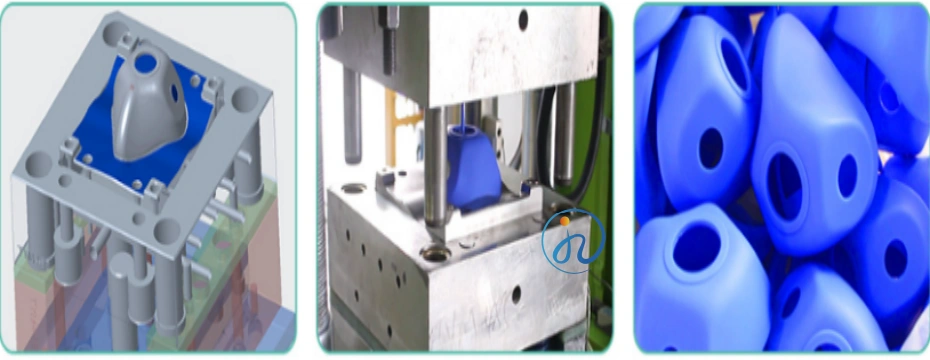
In this article, we will explore the complete process of turning an LSR concept into production-ready components and how a professional LSR injection molding manufacturer can support your project from start to finish.
An LSR project typically involves producing components using Liquid Silicone Rubber injection molding technology. Unlike traditional rubber or plastic molding, LSR processing requires specialized equipment, precise temperature control, and experienced engineering knowledge.
What Makes Liquid Silicone Rubber Unique?
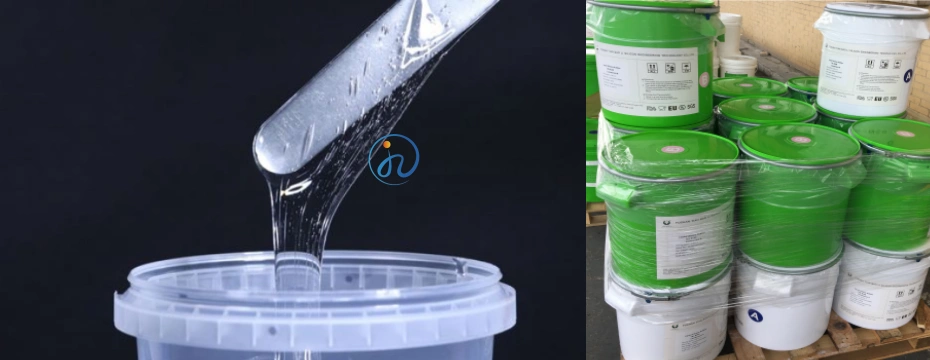
Liquid Silicone Rubber offers several outstanding properties:
- High temperature resistance
- Excellent flexibility and elasticity
- Biocompatibility and medical safety
- Chemical and UV resistance
- Long service life
- Transparent or customizable color options
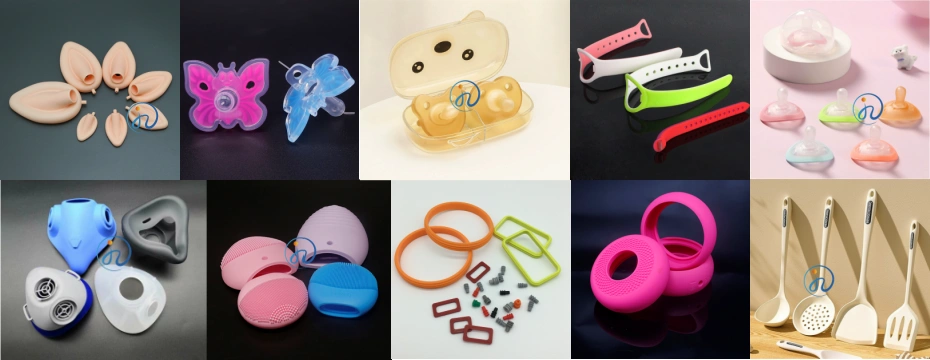
Because of these advantages, LSR parts are widely used in:
- Medical silicone devices
- Automotive sealing components
- Baby feeding products
- Consumer electronics seals
- Wearable medical products
- Kitchen and household products
Despite its advantages, LSR manufacturing also comes with technical challenges such as material flow control, flash prevention, precision molding, and tool design.
This is why working with an experienced LSR manufacturing partner is critical to the success of your project.
Turning Your Product Concept into a Manufacturable Design
Every successful LSR injection molding project starts with a clear and optimized product design.
Design for LSR Manufacturing
Many product designs initially created for plastic or metal components require adjustments before they can be manufactured using liquid silicone rubber.
Professional LSR manufacturers help engineers optimize the design by focusing on:
- Wall thickness consistency
- Parting line placement
- Gate location
- Draft angles
- Undercut management
- Flash control design
This process is known as Design for Manufacturing (DFM).
By performing DFM analysis early in the project, manufacturers can identify potential problems before mold fabrication begins.
Engineering Collaboration
Close collaboration between the product designer and the LSR manufacturer helps ensure:
- Better moldability
- Reduced material waste
- Faster production cycles
- Lower manufacturing cost
Early engineering support is often the first step in turning your LSR vision into reality.
Professional LSR Mold Design and Development
Once the product design is optimized, the next stage is LSR injection mold development.
Mold design plays a crucial role in the success of liquid silicone rubber molding.
Why LSR Mold Design Is Different
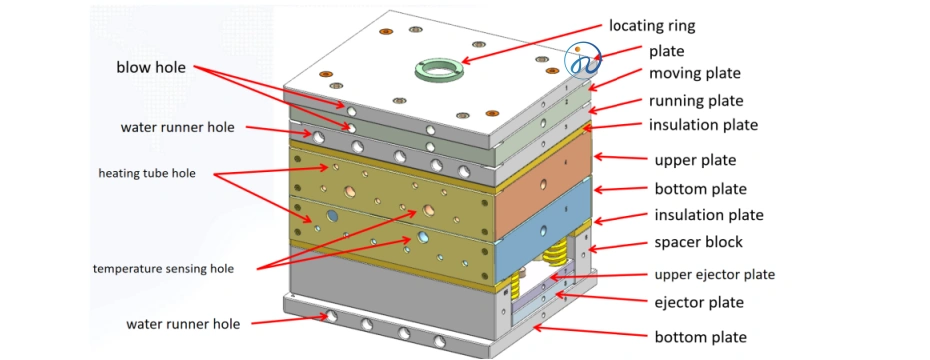
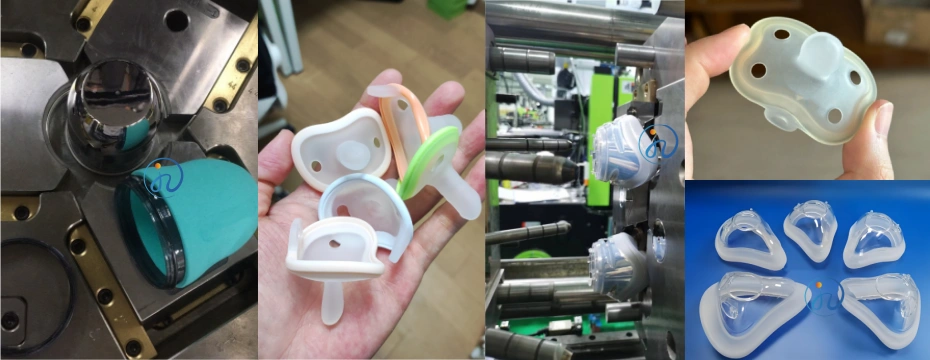
Compared with traditional plastic injection molds, LSR molds require more precision and advanced design considerations, including:
- Cold runner systems
- Vacuum systems
- Precision venting structures
- Automated demolding solutions
- High-precision cavity machining
These features ensure the liquid silicone material flows evenly into the mold cavity while minimizing defects such as air bubbles or flash.
Multi-Cavity Mold for Efficient Production
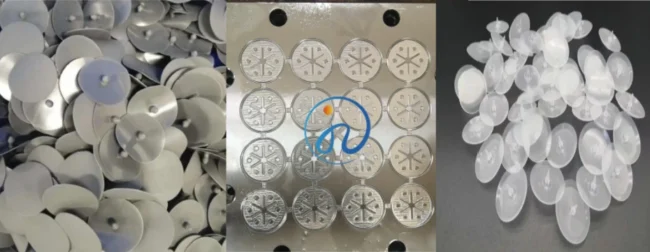
For large-scale production, manufacturers often design multi-cavity molds.
Benefits include:
- Higher productivity
- Lower unit cost
- Better consistency
- Shorter production cycles
For example, baby silicone nipples or medical seals are often produced with 8, 16, or even 32 cavity molds.
A well-designed mold significantly improves the efficiency and quality of LSR manufacturing.
Prototyping and Sample Validation
Before full production begins, prototype samples are usually created to validate the design.
This stage allows engineers and customers to evaluate:
- Product dimensions
- Material performance
- Assembly compatibility
- Functional performance
Rapid Prototyping Methods
Depending on the project requirements, manufacturers may use:
- Prototype molds
- Silicone compression molding
- Low-volume LSR injection molding
These methods help verify the product quickly and reduce risks during large-scale manufacturing.
Sample testing is especially important for medical silicone components, where strict performance requirements must be met.
Precision LSR Injection Molding Production
After prototype approval, the project enters mass production using LSR injection molding technology.
How LSR Injection Molding Works
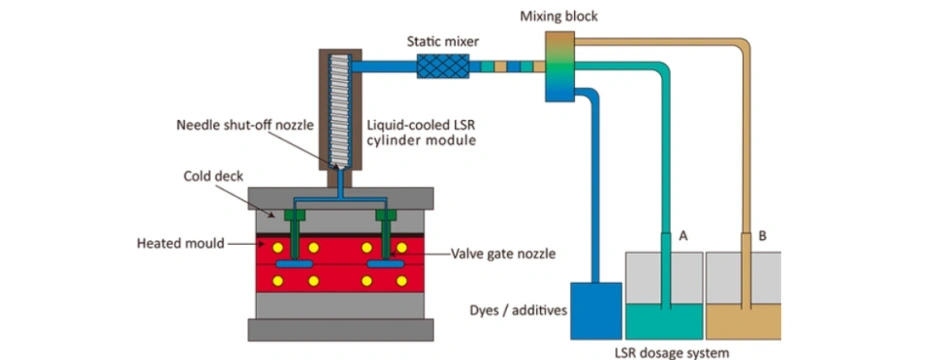
Liquid silicone rubber injection molding involves several key steps:
- Mixing of two-component liquid silicone material
- Injection into a heated mold cavity
- Rapid curing at high temperature
- Automatic demolding
- Post-curing if necessary
This process enables manufacturers to produce high-precision silicone components with excellent repeatability.
Advantages of LSR Injection Molding
Compared with traditional rubber processing, LSR injection molding offers several advantages:
- High production efficiency
- Excellent dimensional accuracy
- Minimal material waste
- Automation capability
- Consistent product quality
These advantages make LSR injection molding ideal for industries that require precision silicone parts.
Strict Quality Control and Testing
Quality control is one of the most important factors in making an LSR project successful.
Reliable manufacturers implement strict quality management systems throughout the production process.
Quality Inspection Procedures
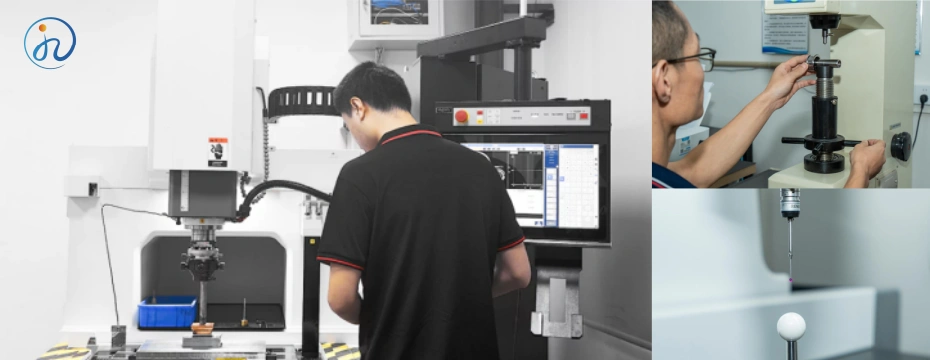
Typical inspection methods include:
- Dimensional measurement
- Visual inspection
- Material hardness testing
- Tensile strength testing
- Aging resistance testing
For medical-grade silicone products, additional testing may include:
- Biocompatibility verification
- Sterilization compatibility
- Cleanroom manufacturing standards
Quality assurance ensures every batch of products meets the customer’s requirements.
Automation and Efficient Mass Production
Modern LSR injection molding factories increasingly rely on automated production systems.
Automation improves both efficiency and consistency.
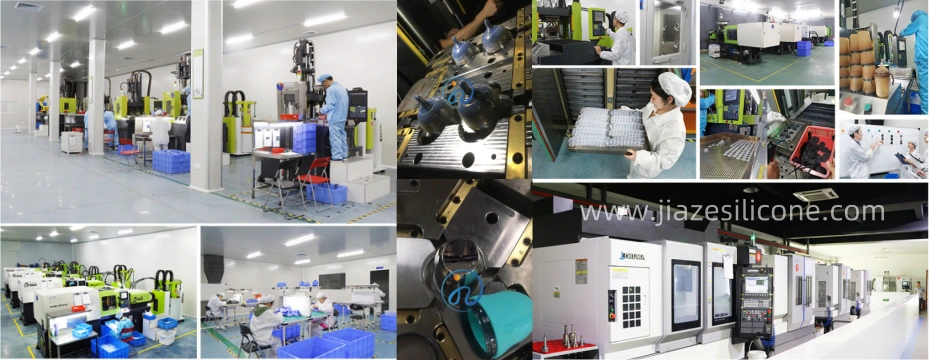
Examples of LSR Production Automation
Advanced manufacturing facilities may include:
- Robotic demolding systems
- Automatic material feeding
- Vision inspection systems
- Automated trimming
- Cleanroom production environments
These technologies help manufacturers produce high-volume LSR components with stable quality and reduced labor costs.
Full-Service Manufacturing Support
A reliable LSR manufacturing partner does more than simply mold silicone parts.
They provide comprehensive project support, including:
- Product design consultation
- Mold development
- Material selection
- Prototype production
- Mass manufacturing
- Secondary processing
- Assembly and packaging
This one-stop service approach simplifies project management and reduces the risk of delays or quality problems.
For many companies, partnering with an experienced LSR manufacturer significantly accelerates product development.
Key Industries That Benefit from LSR Projects
Liquid silicone rubber manufacturing supports many industries.
Medical Devices
LSR is widely used in:
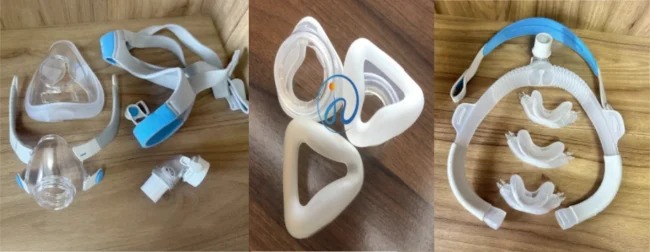
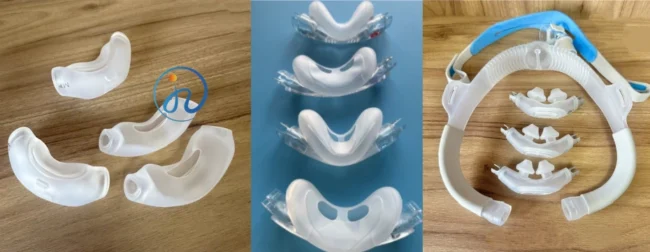
- Respiratory masks
- Medical seals
- Catheter components
- Wearable medical devices
Its biocompatibility and sterilization resistance make it ideal for medical applications.
Baby Care Products
Silicone is commonly used in:
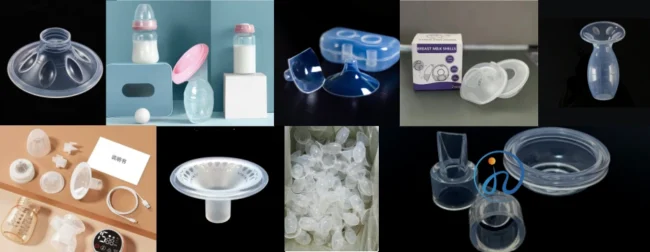
- Baby bottle nipples
- Pacifiers
- Feeding accessories
These products require food-grade and safe materials.
Automotive Industry
Automotive applications include:
- Sensor seals
- Electrical connectors
- Waterproof gaskets
Consumer Electronics
Silicone parts are also used in:
- Waterproof seals
- Protective covers
- Keypads
LSR helps improve product durability and performance.
Choosing the Right LSR Manufacturing Partner
Selecting the right manufacturing partner is essential for making your LSR project vision a reality.
Key Factors to Consider
When choosing an LSR injection molding manufacturer, consider the following:
Engineering Capability
An experienced engineering team can provide valuable design and material advice.
Mold Manufacturing Expertise
Precision mold design directly affects product quality and production efficiency.
Advanced Production Equipment
Modern LSR injection machines and automation systems ensure stable production.
Quality Management System
Reliable factories follow strict quality control standards.
Industry Experience
Manufacturers with experience in medical, automotive, or consumer products better understand industry requirements.
Working with the right partner reduces project risks and ensures a smoother production process.
Conclusion
Turning an idea into a successful product requires more than just a good concept. A professional LSR injection molding manufacturer provides the engineering knowledge, mold development expertise, and manufacturing capabilities needed to transform your LSR project vision into reality.
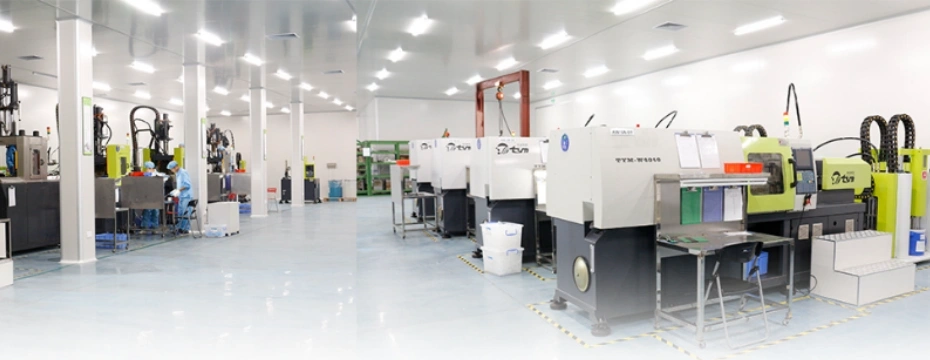
From design optimization and precision mold development to automated mass production and strict quality control, every step plays a vital role in delivering reliable silicone components.
By collaborating with an experienced manufacturing partner, companies can accelerate product development, reduce costs, and achieve consistent high-quality results in their liquid silicone rubber projects.