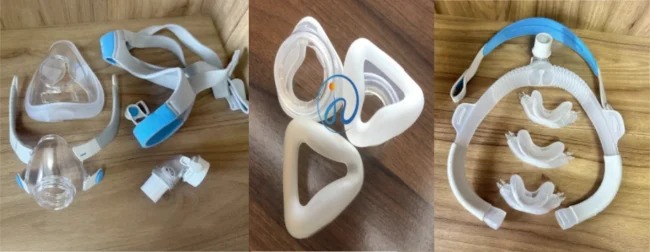
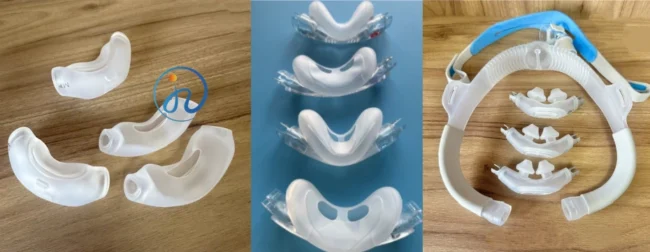
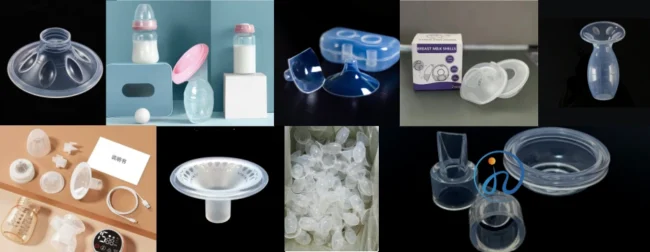
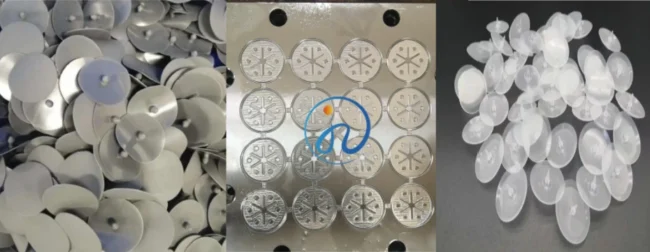
Respirators have become essential across industries such as healthcare, construction, and manufacturing. At the heart of many high-performance respirators lies a small yet critical component—the silicone exhale valve. These valves ensure efficient airflow, reduce breathing resistance, and improve user comfort.
But for OEM buyers, engineers, and procurement managers, one key question arises:
How much does it cost to make a respirator exhale silicone valve mold?
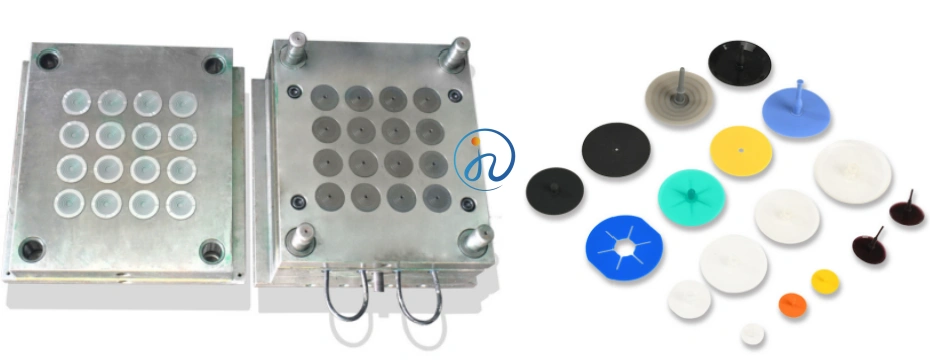
The answer depends on multiple technical and production factors. In this comprehensive guide, we’ll break down everything you need to know—from mold design costs to production variables—so you can plan your project with confidence.
What Is a Respirator Exhale Silicone Valve Mold?
A respirator exhale valve mold is a precision tool used in Liquid Silicone Rubber (LSR) injection molding to produce flexible silicone valve components. These valves are typically:
- Thin and flexible
- High-precision sealing components
- Resistant to heat, chemicals, and repeated deformation
- Compliant with medical or industrial standards
The mold must ensure consistent thickness, airtight sealing, and high repeatability across mass production.
Average Cost of Silicone Valve Molds
Typical Price Range
The cost to manufacture a respirator exhale silicone valve mold generally falls within:
| Mold Type | Estimated Cost |
|---|---|
| Prototype Mold | $2,000 – $8,000 |
| Low-volume Production Mold | $5,000 – $15,000 |
| High-volume Multi-cavity Mold | $15,000 – $50,000+ |
For medical-grade or highly complex designs, costs can exceed $60,000.
Key Factors Affecting Mold Cost
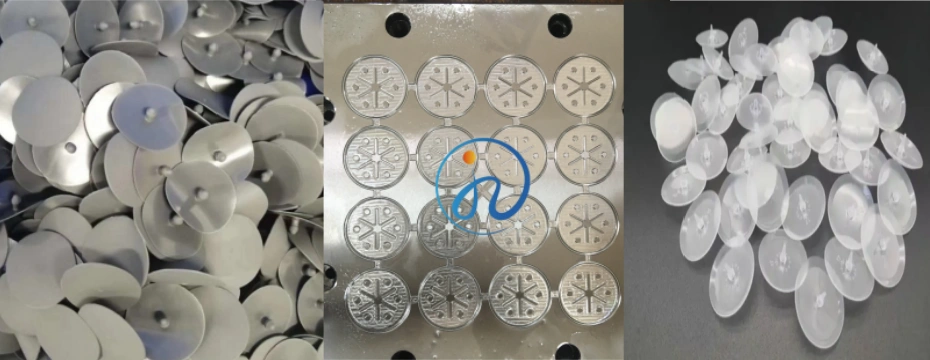
1. Mold Cavities (Single vs Multi-Cavity)
- Single-cavity mold: Lower upfront cost, slower production
- Multi-cavity mold (8–64 cavities): Higher cost but lower per-part cost
👉 More cavities = higher tooling cost but better ROI in mass production.
2. Valve Design Complexity
The geometry of the silicone valve directly impacts mold cost.
Key design features include:
- Thin membrane structures
- Precision sealing edges
- Undercuts or micro-features
- Flow channel optimization
Complex designs require advanced machining such as:
- CNC milling
- EDM (Electrical Discharge Machining)
- Mirror polishing
3. Mold Material Selection
Common mold materials include:
- P20 steel (lower cost, shorter lifespan)
- H13 steel (high durability, heat-resistant)
- Stainless steel (used for medical-grade molds)
Higher-grade materials increase cost but extend mold life significantly.
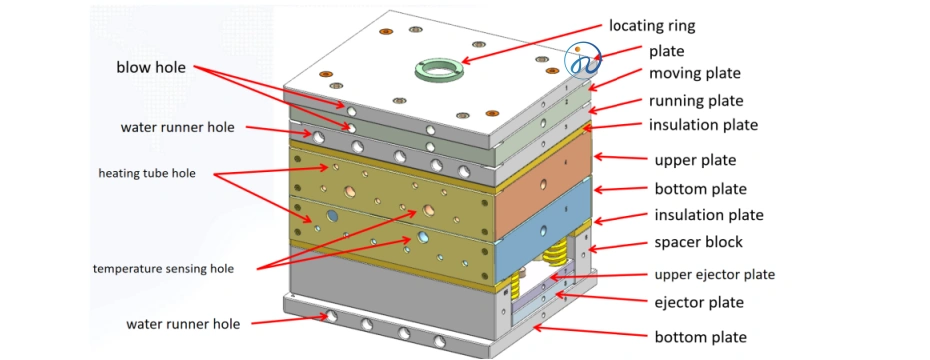
4. LSR Injection System Type
Two main systems affect mold design:
Cold Runner System
- Reduces material waste
- Higher upfront cost
- Ideal for high-volume production
Hot Runner System
- Simpler design
- More material waste
- Lower initial cost
👉 Cold runner molds are commonly used for silicone valve production.
5. Tolerance and Precision Requirements
Respirator valves demand tight tolerances:
- ±0.02 mm or tighter
- Consistent membrane thickness
- Airtight sealing performance
Higher precision = more machining time + higher cost.
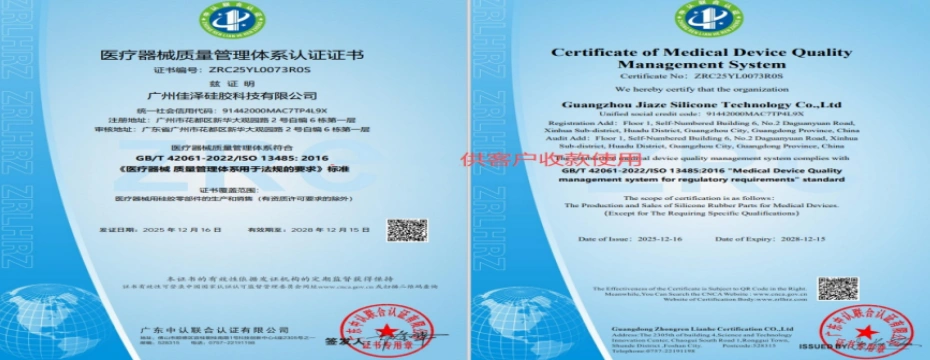
6. Certification and Compliance
If your valves are used in medical or safety respirators, additional costs apply:
- FDA compliance
- ISO 13485 manufacturing standards
- Cleanroom mold production
These requirements can increase mold cost by 10%–30%.
Hidden Costs You Should Consider
Many buyers underestimate additional costs beyond tooling.
1. Design Iteration Costs
- Prototype adjustments
- Mold rework
2. Sampling and Testing
- T1, T2 sample runs
- Performance validation
3. Maintenance Costs
- Mold cleaning
- Replacement parts
- Wear and tear over time
4. Shipping and Logistics
- International mold transport
- Packaging and insurance
How to Reduce Mold Costs
1. Optimize Design Early
Work with your manufacturer to simplify valve geometry without sacrificing performance.
2. Choose the Right Number of Cavities
Avoid over-investing in cavities if your production volume is low.
3. Use Standard Mold Bases
Custom mold bases increase cost—standardized components reduce it.
4. Select Experienced LSR Manufacturers
Experienced suppliers can:
- Reduce trial-and-error
- Optimize material flow
- Minimize defects
Cost vs. Quality: What Should You Prioritize?
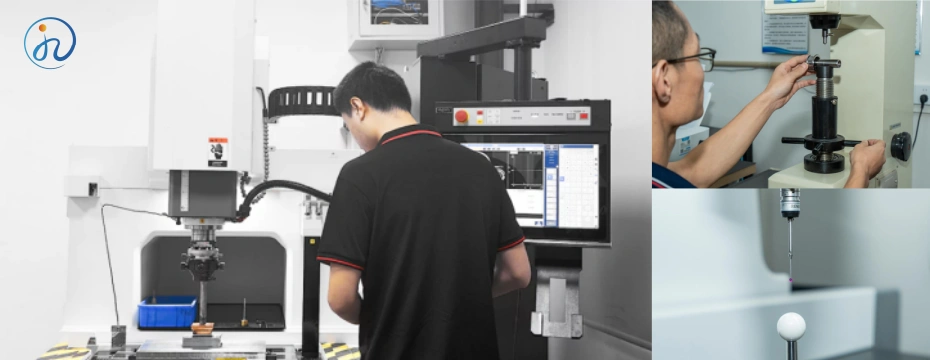
While cost is important, respirator valves are safety-critical components. Choosing the cheapest mold can lead to:
- Poor sealing performance
- High defect rates
- Regulatory compliance issues
👉 Always balance cost with:
- Precision
- Material compatibility
- Manufacturer expertise
Lead Time for Silicone Valve Mold Production
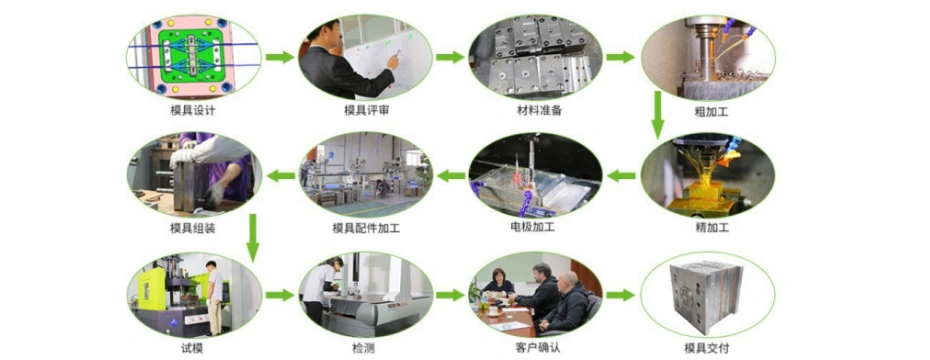
Typical timelines:
| Stage | Time |
| Mold Design | 1–2 weeks |
| Machining | 3–6 weeks |
| Assembly & Testing | 1–2 weeks |
| Total Lead Time | 5–10 weeks |
Complex molds or medical-grade requirements may extend lead times to 12+ weeks.
Why LSR Is Ideal for Respirator Valves
Liquid Silicone Rubber offers unique advantages:
- Excellent elasticity and recovery
- High temperature resistance
- Biocompatibility (for medical use)
- Long-term durability
These properties make LSR the preferred material for respirator exhale valves.
Choosing the Right Manufacturing Partner
When selecting a supplier, consider:
- Experience in LSR injection molding
- Medical or safety certification
- In-house mold design capabilities
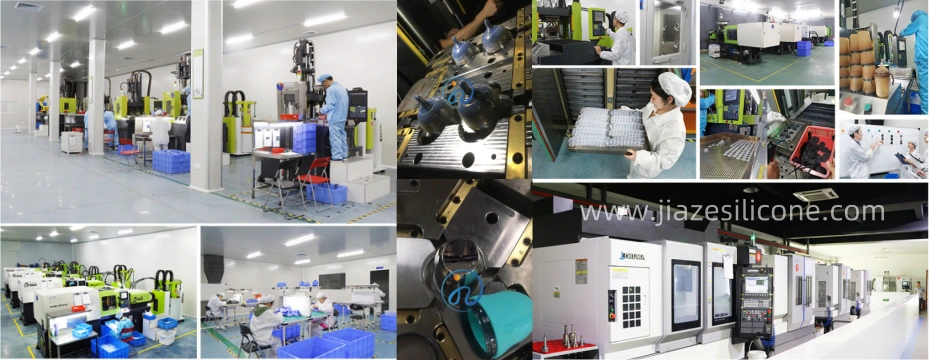
- Cleanroom production environment
A reliable partner will help you reduce total cost—not just mold cost.
Need Help With Your LSR Mold Project?
At Jiaze Silicone, we specialize in:
- Custom LSR mold design
- Medical-grade silicone components
- High-precision injection molding
Contact us today to get a detailed quote and optimize your respirator valve production.