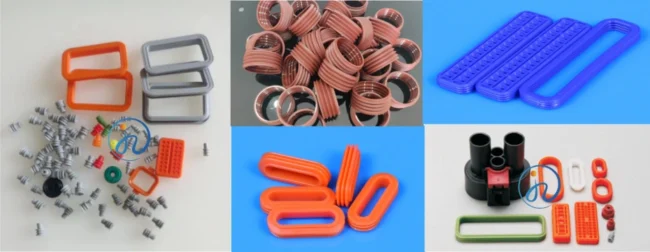
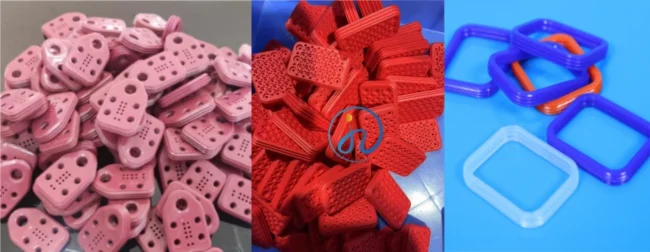
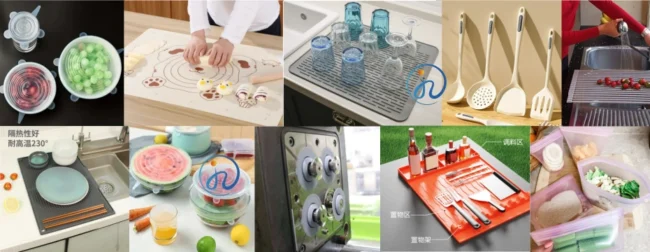
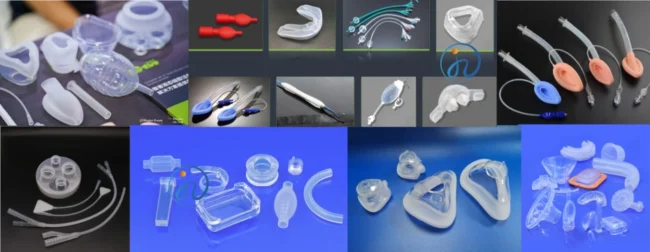
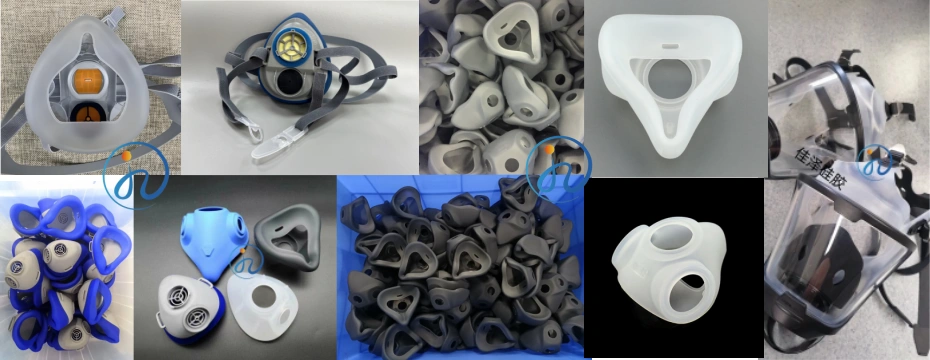
Liquid Silicone Rubber (LSR) has become one of the most important materials used in respirator masks, reusable half-face masks, medical breathing devices, and industrial safety protection equipment. Its excellent biocompatibility, softness, temperature resistance, and long-term sealing stability make it ideal for products that come into direct contact with human skin.
However, the success of an LSR mask project depends heavily on one critical factor — selecting the right mould producer.
Unlike ordinary silicone or plastic molds, LSR mask molds require advanced engineering expertise, precise machining capability, and deep understanding of silicone injection molding behavior.
This article explains how engineers, sourcing managers, and product designers can evaluate and choose a reliable LSR mask mould producer.
Why Choosing the Right LSR Mask Mould Producer Matters
Mask components differ significantly from standard molded silicone parts.
Typical requirements include:
- Airtight facial sealing surfaces.
- Thin flexible walls.
- Ergonomic skin contact areas.
- Filter interface accuracy.
- Transparent or optical silicone sections.
Even a small dimensional deviation can cause sealing leakage or discomfort during long-term wear.
LSR material itself has low viscosity and flows quickly during injection. While this allows complex shapes, it also increases risks such as flash formation or air trapping if the mold design is not optimized.
Therefore, selecting a professional LSR mold partner directly determines product reliability and production success.
1. Evaluate Engineering DFM Capability First
Before mold manufacturing begins, professional suppliers should provide DFM (Design For Manufacturing) analysis.
A strong DFM review typically includes:
Gate Position Optimization
For mask parts:
- Gates must avoid sealing lips.
- Cosmetic zones should remain invisible.
- Balanced filling prevents weld lines.
Poor gate placement often causes visible marks or weak sealing edges.
Venting Strategy
LSR traps air easily. Experienced mold producers design:
- Micro vents.
- Vacuum systems.
- Controlled overflow areas.
Without proper venting, problems such as bubbles or short shots frequently occur.
Shrinkage Compensation
Liquid silicone rubber shrinkage normally ranges from 2.5% to 4%.
Professional suppliers adjust mold dimensions during design to maintain final tolerances.
Always request a written DFM report before approving tooling investment.
2, Check Precision Machining and Tooling Equipment
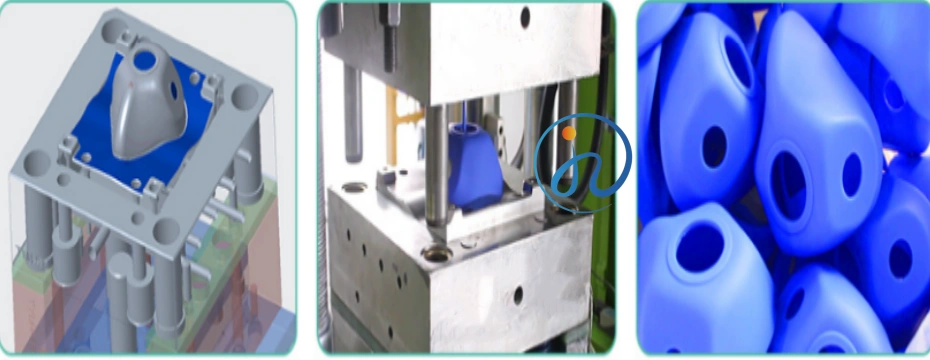
High-quality LSR mask molds require exceptional surface finish and dimensional accuracy.
Ask potential suppliers:
- Do they use 5-axis CNC machining?
- EDM and wire cutting capability?
- Mirror polishing experience?
Sealing lips normally require tolerances within ±0.03–0.05 mm.
Mirror polishing is also essential because rough mold surfaces increase flash risk and reduce wearer comfort.
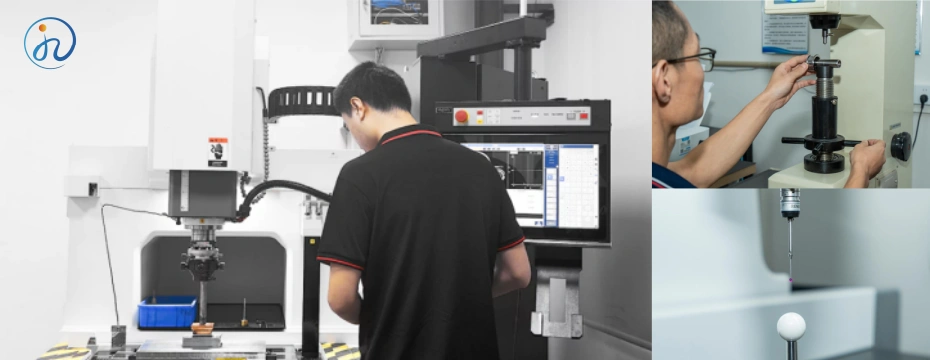
Professional factories should also provide:
- CMM dimensional inspection.
- GD&T reports.
- Mold steel certification.
Common steels used for long-life mask molds include stainless grades such as S136 or similar corrosion-resistant materials.
3, Confirm Cold Runner System Expertise
Cold runner technology is essential in modern LSR mask manufacturing.
Benefits include:
- Reduced silicone waste.
- Stable shot consistency.
- Faster cycle times.
However, cold runners require precise temperature control.
The runner must stay cold enough to prevent curing while the cavity remains heated for vulcanization.
Ask suppliers:
- Which cold runner brands do they cooperate with?
- Multi-cavity balancing experience?
- Valve gate maintenance solutions?
Poor cold runner design leads to unstable production and flash problems.
4, Medical or PPE Industry Experience Is Critical
Masks often belong to:
- PPE respirators.
- Industrial protection devices.
- Medical respiratory equipment.
An experienced supplier understands compliance requirements such as:
- Material traceability.
- Cleanroom manufacturing.
- Process validation.
Look for factories familiar with international standards like:
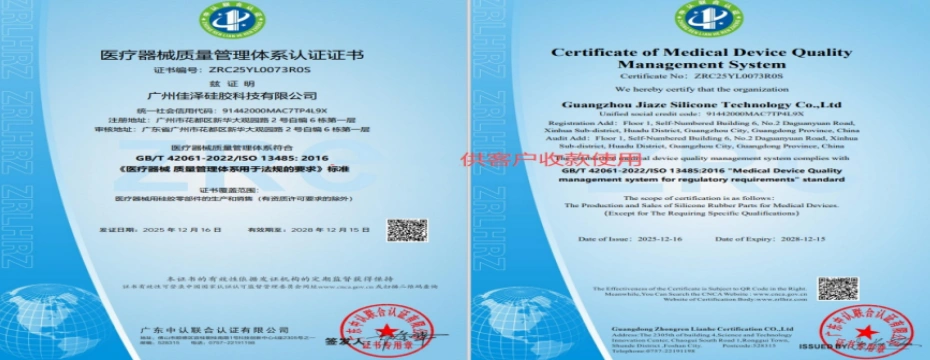
- ISO9001.
- ISO13485 for medical projects.
Cleanroom molding is especially important for medical masks to prevent contamination.
5. Review Mold Life Expectancy and Maintenance Support
Mask production volumes are typically high. Some projects require millions of pieces annually.
Ask suppliers:
- Expected mold lifetime?
- Replaceable inserts?
- Spare cavity solutions?
Professional tooling producers design molds with interchangeable wear parts.
Preventive maintenance plans reduce downtime and long-term production risk.
6. Sampling Workflow and Project Management
Reliable suppliers follow structured development procedures:
- Drawing review.
- DFM analysis.
- Mold flow simulation.
- T0 trial samples.
- Engineering modification.
- Mass production approval.
Transparent sampling stages help buyers reduce risk before full-scale manufacturing.
Video mold trials and inspection reports are strong indicators of professionalism.
7. Quality Certification and Inspection Capability
A professional LSR mould producer should maintain strict quality systems.
Recommended certifications include:
- ISO9001.
- ISO13485.
- RoHS compliance documentation.
Quality inspection capability should include:
- First Article Inspection (FAI).
- Material batch tracking.
- Silicone hardness testing.
Traceability becomes especially important for long-term respirator supply contracts.
8. Evaluate Communication and Engineering Support
Engineering collaboration is often underestimated.
Choose suppliers who provide:
- Fast DFM turnaround.
- English-speaking engineers.
- Online meetings during mold trials.
A true partner proactively suggests improvements rather than simply following drawings.
Good communication shortens development cycles significantly.
9. Compare Total Cost Instead of Tool Price Alone
Low tooling price does not equal low project cost.
Cheap molds often cause:
- Flash trimming labor.
- Frequent downtime.
- Repeated modifications.
Consider:
- Scrap rate.
- Cycle efficiency.
- Maintenance expenses.
High-quality tooling reduces long-term production cost.
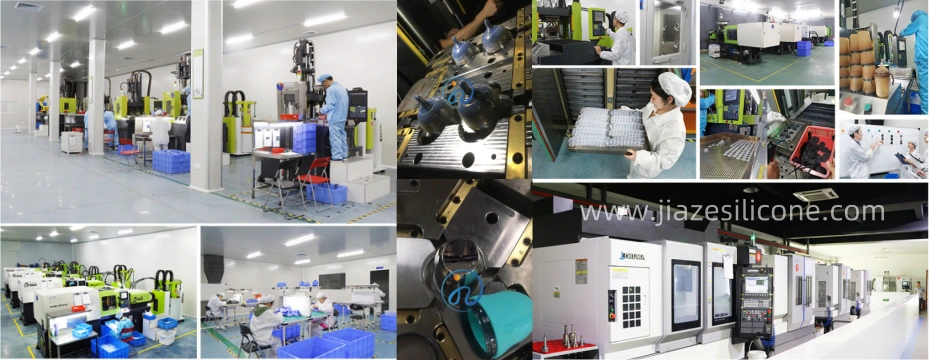
10. Choose Full-Service LSR Manufacturing Partners
Many successful mask brands prefer suppliers offering:
- Mold manufacturing.
- Injection molding.
- Secondary assembly.
Integrated service improves confidentiality and project coordination.
It also speeds problem-solving during production.
Conclusion
Choosing a suitable LSR mask mould producer requires evaluating engineering capability, machining precision, cold runner expertise, quality certification, and industry experience.
The right supplier acts not only as a tooling provider but also as an engineering partner helping transform innovative respirator designs into stable mass production.
Investing time in supplier evaluation reduces risks, improves sealing performance, and ensures long-term manufacturing success.