Developing a new silicone product requires more than just a creative idea. Before moving into full production, companies must first build and test a liquid silicone product prototype to verify design performance, material properties, and manufacturability.
Liquid Silicone Rubber (LSR) has become a popular material in many industries because of its flexibility, durability, and safety. It is widely used in medical devices, baby products, automotive components, and consumer electronics. However, producing LSR parts requires specialized manufacturing processes and engineering expertise.
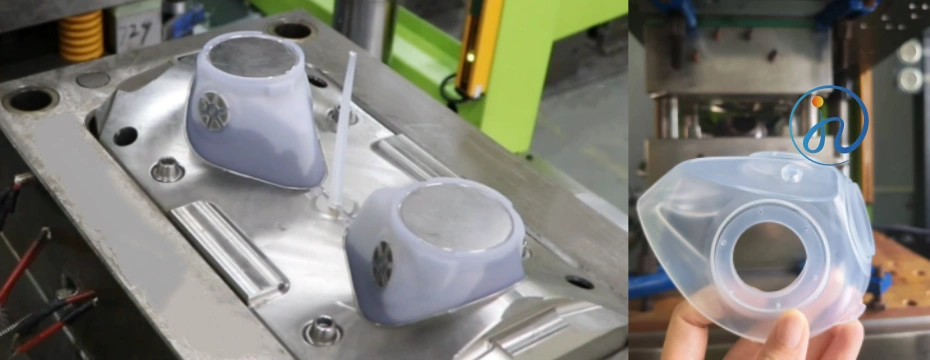
Creating a liquid silicone product prototype allows designers and engineers to evaluate their concept, reduce development risks, and optimize product performance before investing in expensive molds or large-scale production.
In this guide, we will explore the complete process of creating a liquid silicone product prototype, including design preparation, prototyping methods, material selection, and testing procedures.
What Is a Liquid Silicone Product Prototype?
A liquid silicone product prototype is an early-stage sample made from Liquid Silicone Rubber that represents the final product design. It allows manufacturers and customers to evaluate whether the product meets functional, structural, and aesthetic requirements.
Prototypes are usually produced in small quantities and used for:
- Design validation
- Functional testing
- Assembly verification
- Market evaluation
- Manufacturing feasibility analysis
Unlike mass production parts, prototypes focus on testing the concept and improving the design.
For companies developing new silicone products, prototyping plays a critical role in shortening product development cycles and avoiding costly manufacturing mistakes.
Why Prototyping Is Important for Liquid Silicone Products
Creating a prototype is an essential step in LSR product development. It helps engineers confirm whether the product design works as expected.
Validate Product Design
Before manufacturing expensive molds, prototypes help verify whether the design meets requirements such as:
- Ergonomic shape
- Proper sealing performance
- Structural strength
- Flexibility and elasticity
Design flaws can be detected and corrected early in the development process.
Reduce Production Risks
Without prototyping, companies may discover problems only after full-scale manufacturing begins. This can lead to expensive mold modifications and production delays.
A prototype allows manufacturers to test the product under real conditions before moving to mass production.
Improve Product Performance
Testing prototypes helps engineers optimize:
- Material hardness
- Wall thickness
- Structural design
- Product durability
This ensures the final product delivers better performance and reliability.
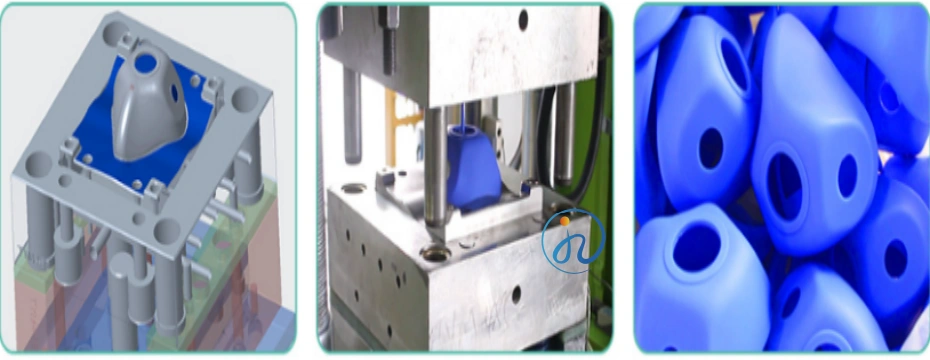
Key Considerations Before Creating an LSR Prototype
Before beginning the liquid silicone prototyping process, several factors must be carefully evaluated.
Product Design and CAD Modeling
The first step is creating a 3D CAD model of the product. Engineers design the product using software such as SolidWorks, AutoCAD, or similar tools.
The CAD design defines:
- Product dimensions
- Surface geometry
- Functional features
- Assembly interfaces
A well-designed CAD model is essential for producing accurate prototypes.
Design for Manufacturing (DFM)
Design for Manufacturing ensures that the product can be efficiently produced using LSR injection molding.
During DFM analysis, manufacturers review:
- Wall thickness consistency
- Draft angles
- Parting line location
- Gate position
- Venting design
Optimizing these factors helps avoid defects such as air bubbles, flash, or incomplete filling.
Selecting the Right Silicone Material
Liquid silicone rubber is available in different grades and hardness levels.
Key factors to consider include:
- Shore hardness
- Transparency or color
- Medical or food-grade certification
- Heat resistance
- Chemical resistance
Choosing the right material ensures the prototype accurately represents the final product.
Prototype LSR Injection Molding
For products that require high precision, prototype LSR injection molding is often used.
This method closely replicates the actual manufacturing process used in mass production.
How LSR Injection Prototyping Works
The process involves:
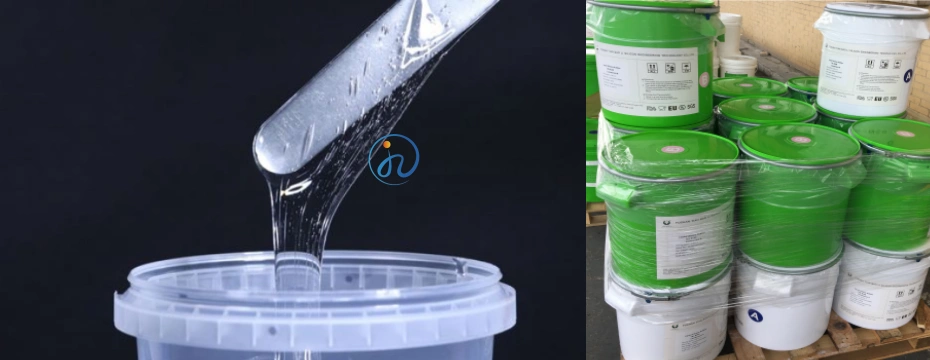
- Mixing two-component liquid silicone material
- Injecting the mixture into a heated mold
- Rapid curing inside the mold cavity
- Demolding the finished prototype
This method produces prototypes with high dimensional accuracy and surface quality.
Advantages
- Accurate simulation of mass production
- High precision parts
- Consistent product quality
- Suitable for complex designs
The main disadvantage is that prototype injection molds are more expensive than simple prototype tools.
3D Printing for Silicone Prototypes
In recent years, 3D printing technology has become an alternative method for silicone prototyping.
Although not all 3D printers can process true liquid silicone rubber, some advanced printers can produce silicone-like materials.
Benefits of 3D Printing
- Fast prototype creation
- No mold required
- Ideal for early design evaluation
- Easy design modification
However, 3D printed parts may not perfectly replicate the mechanical properties of real LSR materials.
Therefore, they are usually used for early concept testing rather than final product validation.

Testing and Evaluating the Silicone Prototype
Once the prototype is produced, it must undergo various testing procedures to ensure the design meets functional requirements.
Dimensional Accuracy Testing
Engineers measure the prototype to verify whether the dimensions match the design specifications.
Precision measurement tools include:
- Digital calipers
- Coordinate measuring machines (CMM)
- Optical inspection systems
Functional Testing
Functional testing evaluates how the product performs in real-world applications.
Examples include:
- Seal performance testing
- Flexibility testing
- Compression resistance
- Assembly testing
Material Performance Testing
Material tests may include:
- Tensile strength
- Hardness testing
- Temperature resistance
- Chemical resistance
For medical or food-grade silicone products, additional certification tests may be required.
Optimizing the Prototype Design
After testing the prototype, engineers analyze the results and make improvements to the design if necessary.
Common design optimizations include:
- Adjusting wall thickness
- Improving structural support
- Changing material hardness
- Refining product geometry
This iterative process helps achieve the best balance between performance, durability, and manufacturability.
Once the design is finalized, the project can move to mass production using LSR injection molding.
Transitioning from Prototype to Mass Production
After the prototype is approved, manufacturers begin preparing for full production.
This stage includes:
- Final mold design
- Multi-cavity mold manufacturing
- Production process validation
- Quality control planning
Mass production molds are typically designed with multiple cavities to increase productivity and reduce unit cost.
Automation systems such as robotic demolding and automated inspection may also be integrated into the production line.

Industries That Use Liquid Silicone Prototypes
Many industries rely on liquid silicone prototyping to develop new products.
Medical Device Industry
Silicone is widely used in:
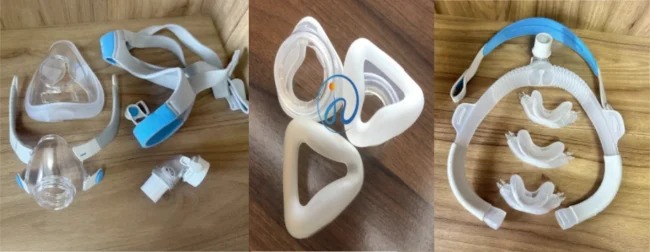
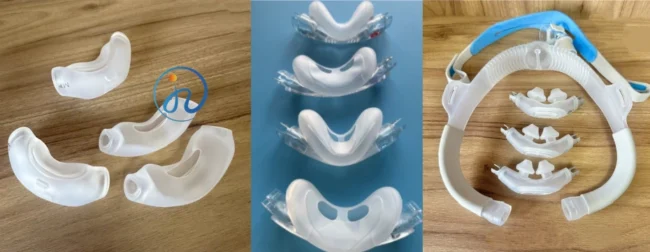
- Respiratory masks
- Catheter components
- Medical seals
- Wearable medical devices
Prototypes help ensure safety and performance before regulatory approval.
Baby Product Manufacturing
Common silicone baby products include:
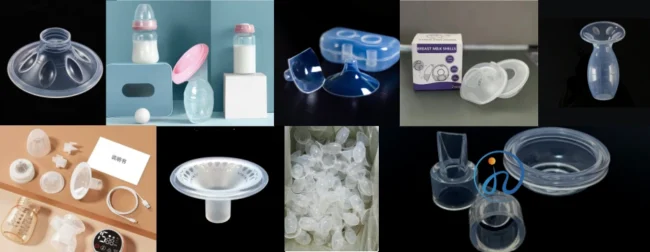
- Baby bottle nipples
- Pacifiers
- Feeding accessories
These products require strict safety and durability testing.
Automotive Industry
Automotive silicone parts include:
- Sensor seals
- Electrical connectors
- Waterproof gaskets
Prototyping ensures reliable performance in harsh environments.
Consumer Electronics
Silicone is often used for:
- Waterproof seals
- Protective covers
- Flexible keypads
Prototypes help ensure compatibility with electronic devices.
Choosing the Right Silicone Prototyping Partner
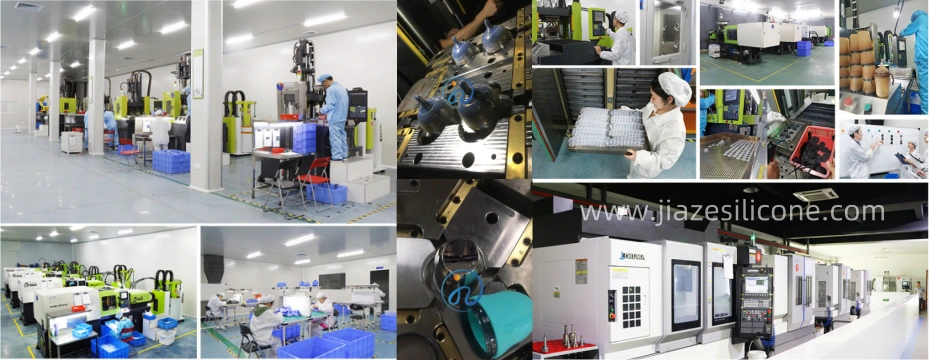
Selecting an experienced manufacturing partner is essential for successful liquid silicone prototyping.
Key factors to consider include:
- Engineering design support
- LSR injection molding expertise
- Precision mold manufacturing capability
- Advanced production equipment
- Strong quality control system
A professional silicone manufacturer can guide the project from prototype development to full-scale production.
Conclusion
Creating a liquid silicone product prototype is a critical step in transforming an innovative idea into a successful commercial product. Prototyping allows companies to validate product design, evaluate material performance, and reduce manufacturing risks.
From CAD design and material selection to prototype molding and product testing, every stage plays an important role in ensuring the final product meets performance and quality expectations.
By working with an experienced LSR injection molding manufacturer, businesses can efficiently develop silicone prototypes and accelerate the transition from concept to mass production.