Silicone heat insulation mats are used in kitchens, industrial workstations, electronics assembly, laboratories, and automotive environments. Their ability to withstand extreme heat while maintaining flexibility makes them superior to traditional rubber or plastic insulation solutions.
From oven protection pads and soldering workstation mats to industrial thermal insulation barriers, silicone heat resistant mats require specialized material formulation and manufacturing processes to achieve durability and safety performance.
This guide explains how silicone heat insulation mats are designed and manufactured — from material selection to mold tooling and quality inspection.
What Is a Silicone High Temperature Resistant Heat Insulation Mat?
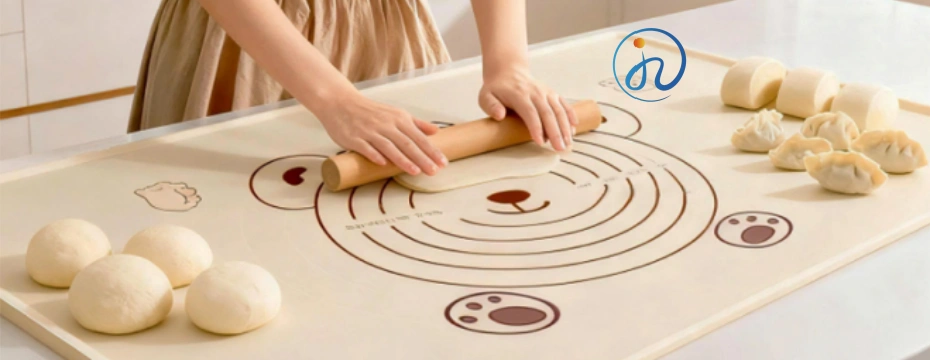
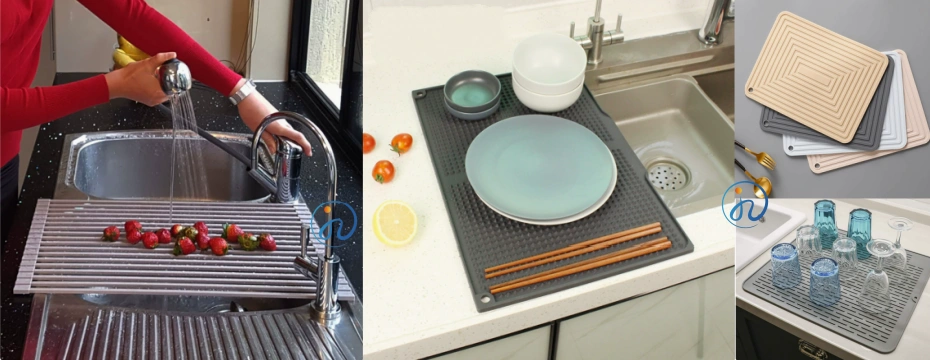
A silicone heat insulation mat is a molded elastomer product designed to resist heat transfer and protect surfaces or users from high temperatures.
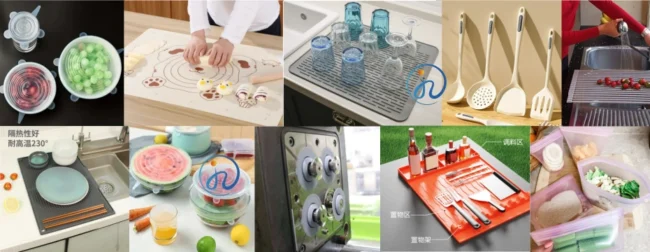
Common applications include:
- Kitchen cookware protection.
- Baking accessories.
- Electronic soldering stations.
- Automotive engine insulation.
- Laboratory equipment pads.
High-quality silicone mats typically tolerate temperatures ranging from:
- −40°C to 230°C for food-grade applications.
- Up to 300°C or higher for industrial-grade silicone compounds.
Unlike PVC or rubber materials, silicone maintains flexibility even after repeated thermal cycles.
Why Silicone Material Is Ideal for Heat Insulation Mats
Silicone rubber offers several advantages compared to conventional materials.
Excellent Heat Resistance
Silicone maintains structural stability under long-term exposure to heat.
It does not melt easily and has strong thermal aging resistance.
Low Thermal Conductivity
Silicone reduces heat transfer efficiently.
This protects kitchen countertops or industrial surfaces from damage.
Food Safety Compatibility
Food-grade Liquid silicone meets FDA or LFGB requirements for direct food contact.
This makes it ideal for baking mats and cookware accessories.
Chemical and UV Resistance
Silicone performs well in outdoor or chemical environments without cracking.
Because of these advantages, silicone insulation mats are widely adopted across consumer and industrial markets.
Selecting the Right Silicone Material
Material selection determines product performance.
Two major manufacturing materials are commonly used:
Solid Silicone Rubber (Compression Molding)
Best for:
- Thick mats.
- Large surface insulation pads.
- Industrial applications.
Advantages include:
- Lower tooling cost.
- Strong mechanical strength.
Liquid Silicone Rubber (LSR Injection Molding)
Best for:
- Complex texture patterns.
- Thin uniform thickness mats.
- Automated mass production.
LSR provides:
- Excellent dimensional stability.
- Lower flash formation.
- High repeatability.
Material hardness typically ranges between:
- Shore A 30–70 depending on flexibility needs.
Heat resistance additives or fiberglass reinforcement can also be added for extreme environments.
Designing the Silicone Heat Mat Structure
Structure design improves insulation performance.
Common engineering features include:
Raised Airflow Patterns
Honeycomb or rib structures trap air pockets.
Air acts as an insulator and reduces heat transfer.
Anti Slip Surface
Texture improves grip for cookware.
It also prevents sliding on countertops.
Thickness Design
Typical thickness ranges:
- 2 mm — flexible baking mats.
- 5–8 mm — kitchen insulation pads.
- 10 mm+ — industrial workstation protection.
Engineers must balance flexibility and thermal resistance.
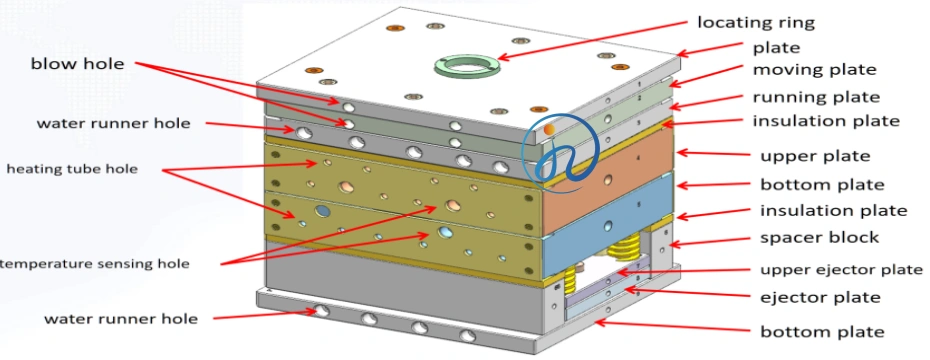
Silicone Mold Tooling Development
Mold quality directly affects surface finish and dimensional consistency.
Important tooling considerations include:
Mold Steel Selection
Common materials:
- S136 stainless steel.
- P20 steel.
Corrosion resistance is essential because silicone curing releases byproducts.
Venting Design
Silicone traps air easily.
Micro vents prevent bubbles and burn marks.
Parting Line Strategy
Flat products require strict flash control.
Flash trimming increases labor cost.
Professional mold producers design overflow areas to control excess material.
Silicone Molding Manufacturing Process
LSR injection molding suits automated production.
Steps include:
- Two-component silicone mixing.
- Metering and injection.
- Heated mold curing.
- Automatic demolding.
Advantages:
- High efficiency.
- Reduced labor cost.
- Excellent consistency.
Cycle times can be significantly shorter compared to compression molding.
Secondary Processing and Surface Treatment
After molding, many heat insulation mats require finishing operations.
Common processes include:
- Edge trimming.
- Laser logo engraving.
- Color printing.
- Overmolding with fabric or fiberglass layers.
Post curing may also be required to remove volatile compounds for food-grade products.
Typical post cure temperature:
200°C for several hours.
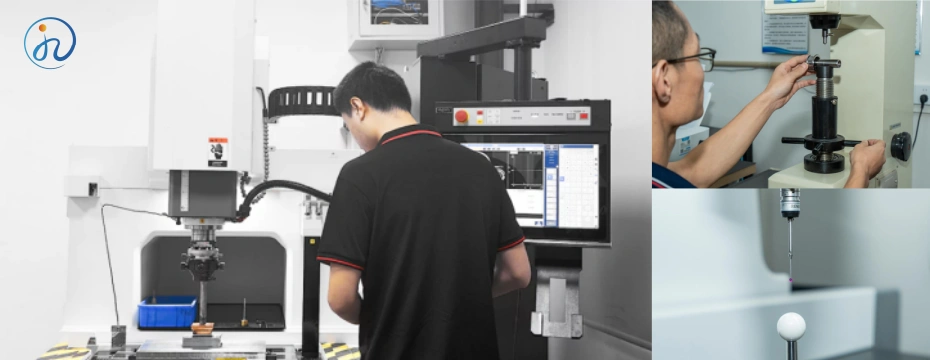
Quality Inspection and Testing
High-quality silicone insulation mats undergo strict inspection.
Testing includes:
- Heat aging testing.
- Tensile strength measurement.
- Compression set testing.
- Thermal conductivity testing.
Food-contact products require migration testing.
Dimensional inspection ensures flatness and thickness tolerance.
Packaging and Mass Production Considerations
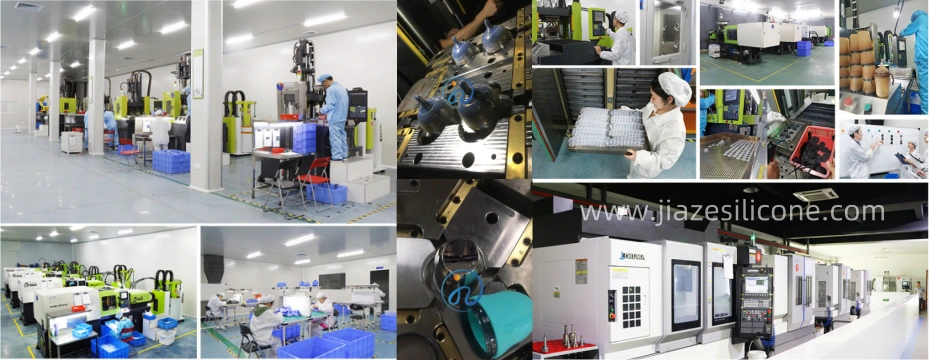
Mass production planning includes:
- Automated demolding systems.
- Clean packing areas.
- Anti-dust protection.
For export markets, vacuum or PE bag packaging is common.
Industrial buyers often request custom branding or barcode traceability.
Cost Factors in Silicone Heat Insulation Mat Production
Key cost drivers include:
- Mold complexity.
- Silicone material grade.
- Thickness and size.
- Production volume.
Although silicone costs more than plastic, long lifespan reduces replacement frequency.
Conclusion
Manufacturing silicone high temperature resistant heat insulation mats requires professional expertise in material formulation, structural design, precision mold tooling, and controlled molding processes.
Whether using compression molding for large industrial mats or LSR injection molding for automated consumer products, selecting experienced engineering support ensures reliable performance and long-term durability.
A well-designed silicone heat insulation mat delivers safety, thermal protection, and consistent quality across demanding environments.