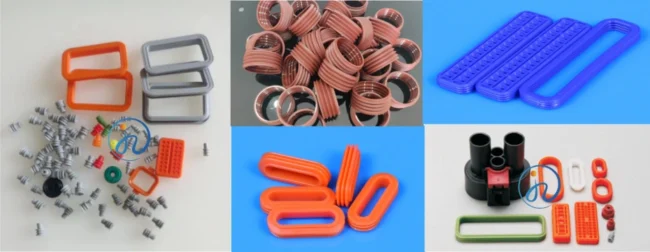
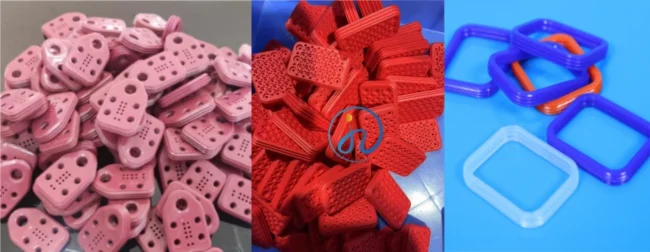
With the rapid development of modern vehicles—especially electric vehicles (EVs) and smart automotive systems—the demand for reliable electrical connections has never been higher. One of the most critical components ensuring durability and safety is the LSR automotive multi-wire seal connector.
OEM (Original Equipment Manufacturer) solutions for these connectors require precision engineering, advanced materials, and strict quality control. Liquid Silicone Rubber (LSR) has become the preferred material due to its superior sealing performance, flexibility, and resistance to harsh environments.
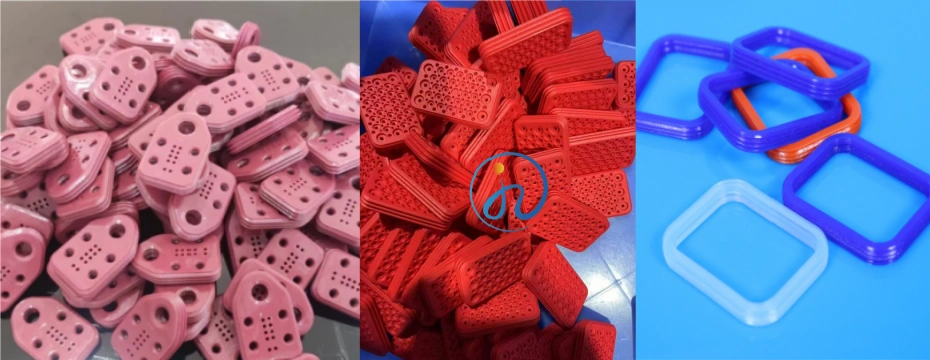
In this guide, we will walk you through everything you need to know about OEM manufacturing of LSR automotive multi-wire seal connectors—from design and material selection to production and quality assurance.
What Are LSR Automotive Multi-Wire Seal Connectors?
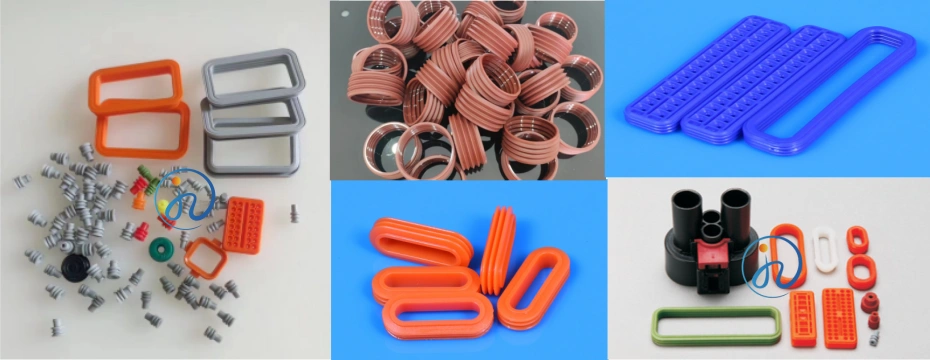
LSR automotive multi-wire seal connectors are specialized sealing components designed to protect multiple electrical wires passing through a connector interface. Their main function is to prevent:
- Water ingress
- Dust contamination
- Chemical exposure
- Mechanical vibration damage
These connectors are used in:
- Engine control units (ECUs)
- Electric vehicle battery systems
- Wire harness assemblies
- Sensor and lighting systems
Unlike traditional rubber seals, LSR offers enhanced durability, making it ideal for automotive-grade applications.
Why Choose LSR for Automotive Seal Connectors?
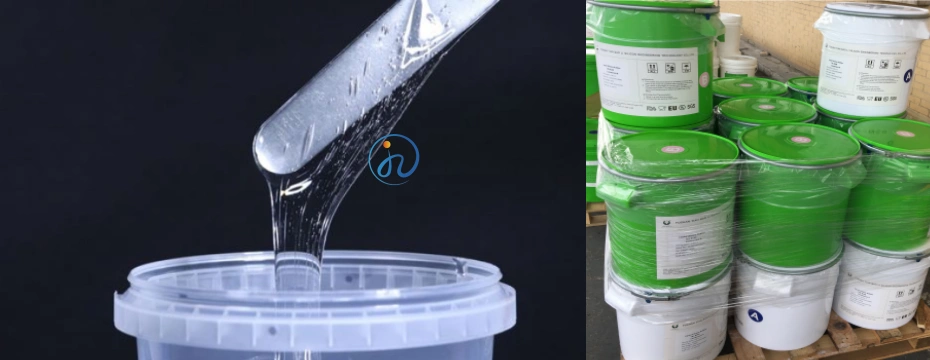
1. Excellent Temperature Resistance
LSR can withstand extreme temperatures ranging from -50°C to over 200°C, making it suitable for engine compartments and EV systems.
2. Superior Elasticity
Its flexibility ensures a tight seal around multiple wires, even under vibration or thermal expansion.
3. Chemical and Environmental Resistance
LSR resists oils, fuels, UV radiation, and ozone, ensuring long-term performance.
4. Biocompatibility and Safety
Although mainly used in automotive, LSR is also safe and non-toxic, meeting strict regulatory standards.
5. Precision Molding Capability
LSR injection molding allows for complex geometries, essential for multi-wire sealing structures.
Key Design Considerations for OEM Multi-Wire Seal Connectors
Design plays a critical role in ensuring sealing performance and manufacturability.
1. Wire Diameter and Tolerance
Each wire channel must be precisely designed to match the wire diameter. Proper interference fit ensures sealing without damaging the wire insulation.
2. Sealing Lips and Geometry
Multi-lip sealing structures improve waterproof performance and reduce leakage risks.
3. Connector Housing Compatibility
The seal must fit perfectly within the connector housing to maintain integrity during assembly.
4. Compression Ratio
An optimal compression ratio (typically 15%–30%) ensures effective sealing without deformation.
5. Venting and Air Traps
Proper venting design is essential to avoid air entrapment during injection molding.
OEM Development Process for LSR Seal Connectors
Requirement Analysis
- Application environment (temperature, chemicals, IP rating)
- Wire specifications
- Connector design
3D Design and Engineering
- CAD modeling
- Mold flow analysis
- Design for manufacturability (DFM)
Material Selection
Choosing the right LSR grade is critical. Consider:
- Hardness (Shore A 30–70 typical)
- Transparency or color
- Flame retardancy
- Automotive compliance (e.g., UL, RoHS)
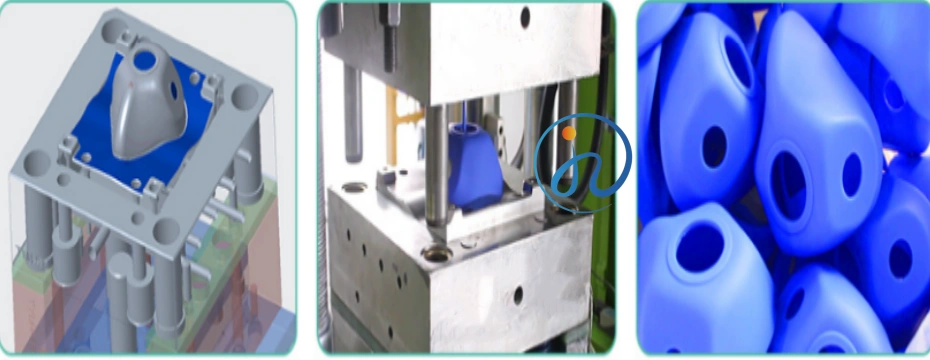
Prototype Development
- Rapid tooling or soft molds
- Functional testing
- Iteration and optimization
Tooling and Mold Fabrication
- High-precision steel molds
- Multi-cavity design for mass production
- Cold runner systems for LSR
Mass Production
- Automated LSR injection molding
- Inline quality inspection
- Post-curing if required
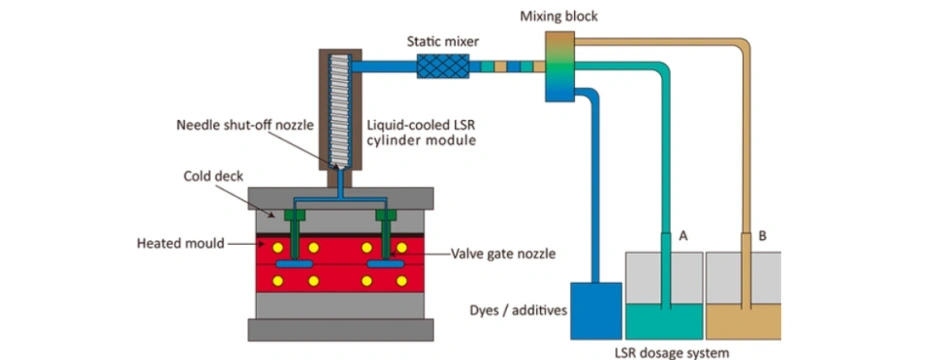
LSR Injection Molding Process for Multi-Wire Seals
1. Material Preparation
LSR is a two-component system (A+B) mixed in a precise ratio before injection.
2. Injection Process
The liquid material is injected into a heated mold where it cures rapidly.
3. Curing and Demolding
Curing occurs at high temperature, followed by automatic demolding.
4. Post-Processing
- Flash removal
- Surface treatment
- Secondary inspection
Quality Standards and Testing
To meet automotive OEM requirements, strict testing is essential.
1. Waterproof Testing
- IP67 / IP68 rating verification
2. Thermal Cycling Test
- Ensures durability under temperature fluctuations
3. Chemical Resistance Test
- Exposure to oils, fuels, and coolants
4. Mechanical Testing
- Compression set
- Tensile strength
5. Visual and Dimensional Inspection
- Ensures defect-free production
Applications in Automotive Industry
LSR multi-wire seal connectors are used across various automotive systems:
1. Electric Vehicles (EVs)
- Battery packs
- Charging systems
2. Engine Systems
- Sensors and control units
3. Lighting Systems
- Headlights and tail lights
4. Autonomous Driving Systems
- Radar and camera connectors
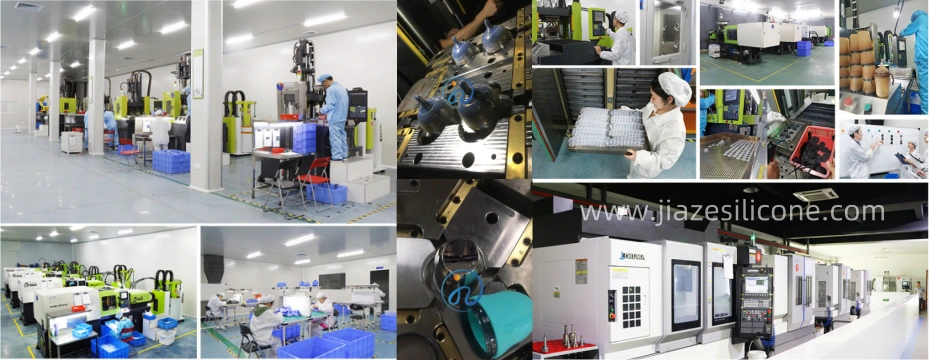
How to Choose the Right LSR OEM Manufacturer
When selecting a manufacturing partner, consider:
1. Technical Expertise
Experience in LSR injection molding and automotive components.
2. Engineering Support
Ability to assist with design optimization and DFM.
3. Quality Certifications
Look for ISO 9001, IATF 16949 compliance.
4. Production Capacity
Capability for high-volume manufacturing.
5. Customization Capability
Flexibility in design, materials, and tooling.
Conclusion
OEM LSR automotive multi-wire seal connectors are essential components for ensuring reliable electrical connections in modern vehicles. From design and material selection to precision molding and quality control, every step plays a critical role in achieving optimal performance.
By leveraging the advantages of LSR and working with an experienced OEM manufacturer, companies can develop high-quality, durable, and cost-effective sealing solutions tailored to their specific automotive applications.