Silicone injection molding has become one of the most advanced and reliable manufacturing processes for producing high-precision silicone parts. From medical devices and baby care products to automotive seals and electronic components, silicone injection molded products are used across multiple industries.
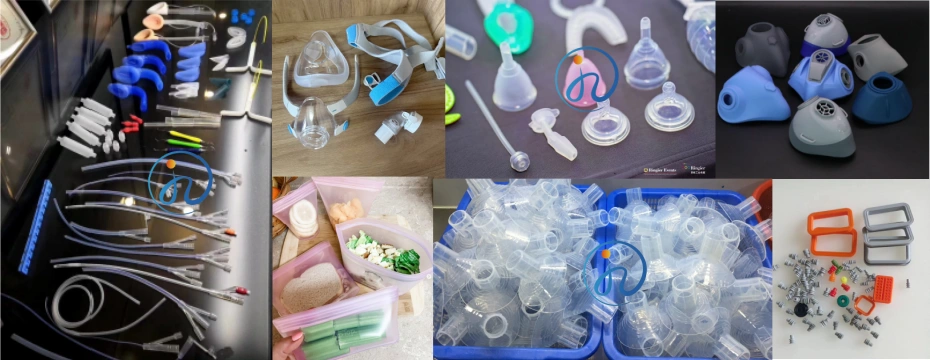
The reason behind this popularity lies in silicone’s excellent performance, including heat resistance, chemical stability, flexibility, and biocompatibility. Combined with the efficiency of injection molding technology, manufacturers can produce complex silicone components with consistent quality and high productivity.
What Are Silicone Injection Molded Products?
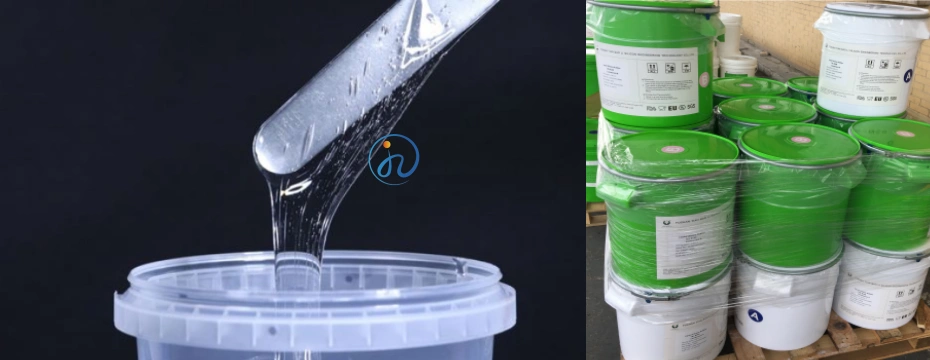
Silicone injection molded products are components manufactured through a specialized molding process where liquid silicone rubber (LSR) is injected into a mold cavity under controlled temperature and pressure.
After injection, the silicone material undergoes a curing or vulcanization process inside the mold, forming a finished part with precise geometry.
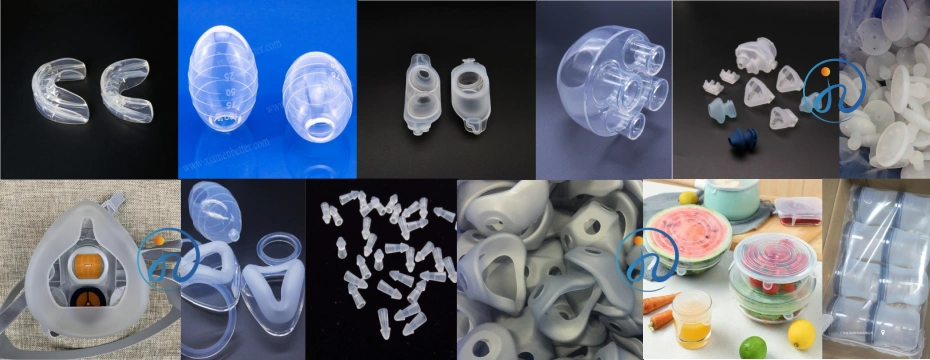
Common examples include:
- Medical silicone seals
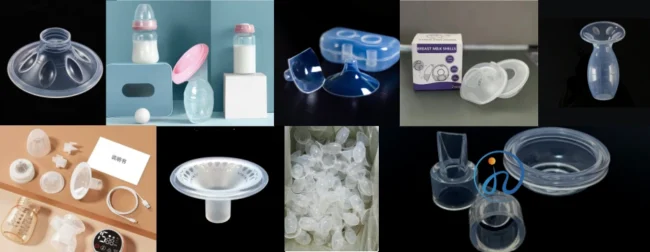
- Baby bottle nipples
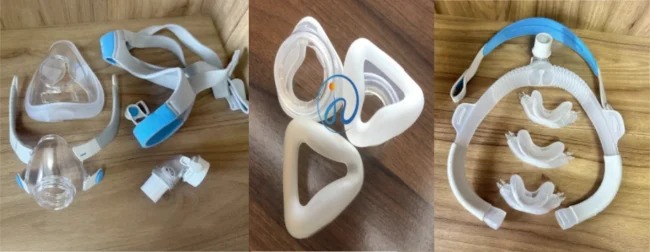
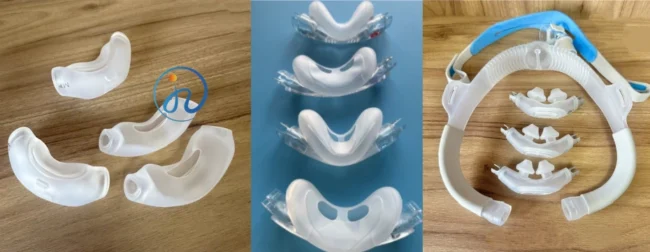
- Respirator masks
- Silicone gaskets and O-rings
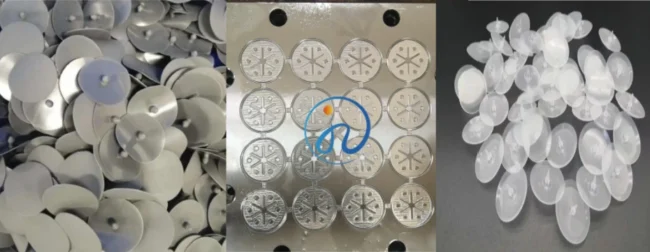
- Electronic waterproof components
- Automotive sealing parts
- Kitchen and household silicone products
Because silicone materials can withstand extreme environments and repeated use, silicone injection molding is often the preferred method for high-performance applications.
Key Materials Used in Silicone Injection Molding
Before producing silicone injection molded products, selecting the correct material is crucial.
Liquid Silicone Rubber (LSR)
LSR is the most commonly used material for injection molding because it offers:
- Excellent fluidity
- Fast curing speed
- High transparency
- Biocompatibility
- High precision molding capability
Specialty Silicone Materials
Depending on product requirements, manufacturers may also use:
- Medical grade silicone
- Food grade silicone
- Optical silicone
- High temperature resistant silicone
- Flame retardant silicone
Choosing the right material directly affects product performance, durability, and compliance with industry regulations.
Silicone Injection Mold Design
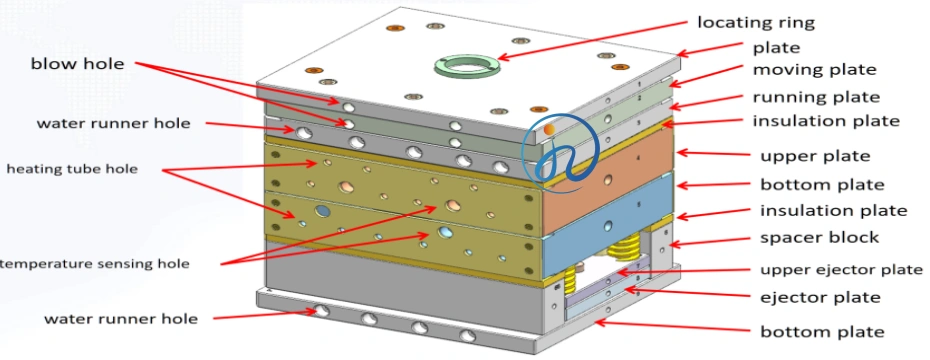
The silicone mold design plays a crucial role in ensuring product accuracy and production efficiency.
A well-designed mold helps achieve:
- Stable product dimensions
- Smooth surface finish
- Shorter production cycles
- Reduced material waste
Important factors in mold design include:
Mold Material
High-quality mold steel such as:
- S136
- H13
- Stainless mold steel
These materials provide corrosion resistance and long service life.
Venting System
Silicone materials can easily trap air during injection. Proper venting allows trapped air to escape and prevents defects such as bubbles or incomplete filling.
Runner and Gate Design
LSR injection molds typically use cold runner systems to minimize material waste and maintain stable temperature control.
Temperature Control System
Silicone curing depends heavily on temperature. Mold heating systems must ensure consistent temperature distribution throughout the cavity.
Step-by-Step Silicone Injection Molding Process
Producing silicone injection molded products involves several key manufacturing steps.
1. Silicone Material Preparation
LSR materials are usually supplied in two separate components:
- Part A
- Part B
These components are mixed in a 1:1 ratio using a metering system before entering the injection machine. Additives such as pigments or catalysts may also be added during mixing.
Accurate material mixing is essential for proper curing and product consistency.
2. Injection Into the Mold
After mixing, the liquid silicone material is injected into a heated mold cavity using a specialized LSR injection molding machine.
During this stage:
- The material flows through the runner system
- The mold cavity is filled under controlled pressure
- Air is expelled through venting channels
Because silicone has excellent flow properties, it can fill extremely small or complex cavities.
3. Vulcanization (Curing Process)
Once inside the heated mold, the silicone material begins the vulcanization process, transforming from liquid into solid elastic rubber.
Typical curing conditions:
- Mold temperature: 150°C – 200°C
- Curing time: a few seconds to several minutes depending on part thickness
This step determines the final mechanical properties of the silicone product.
4. Demolding the Silicone Part
After curing is complete, the mold opens and the finished silicone part is removed.
Depending on product design, demolding can be performed by:
- Manual removal
- Automated robotic systems
- Vacuum pick-up systems
Automation is often used for high-volume production to improve efficiency and reduce contamination.
5. Post Processing
Some silicone injection molded products require additional finishing processes such as:
- Flash trimming
- Surface coating
- Printing or laser marking
- Secondary assembly
- Sterilization (for medical parts)
These processes ensure the final product meets specific functional and aesthetic requirements.
Quality Control in Silicone Injection Molding
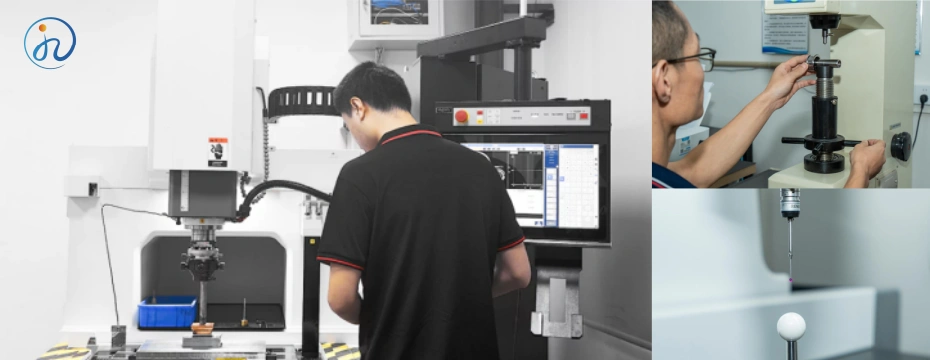
Maintaining strict quality control is essential when producing silicone injection molded products, especially for medical or food-contact applications.
Manufacturers typically perform the following inspections:
Raw Material Testing
Ensures silicone materials meet specifications such as:
- Hardness
- Tensile strength
- Biocompatibility
Dimensional Inspection
Precision measurement tools verify that molded parts meet tolerance requirements.
Appearance Inspection
Technicians check for defects such as:
- Air bubbles
- Flash
- Short shots
- Surface imperfections
Functional Testing
Finished components may undergo:
- Sealing tests
- Aging tests
- Temperature resistance tests
A comprehensive quality control system ensures reliable product performance and consistent manufacturing results.
Advantages of Silicone Injection Molding
Compared with traditional manufacturing methods, silicone injection molding offers several important advantages.
High Production Efficiency
Automated injection molding machines allow manufacturers to produce large quantities of parts quickly.
Excellent Precision
The process can achieve tight tolerances and complex geometries.
Reduced Material Waste
Cold runner systems help minimize silicone material waste.
Consistent Quality
Automated production ensures stable product quality across large production volumes.
Wide Application Range
Silicone injection molded products can be used in industries such as:
- Medical devices
- Consumer electronics
- Automotive components
- Baby care products
- Industrial sealing solutions
Choosing a Reliable Silicone Injection Molding Manufacturer
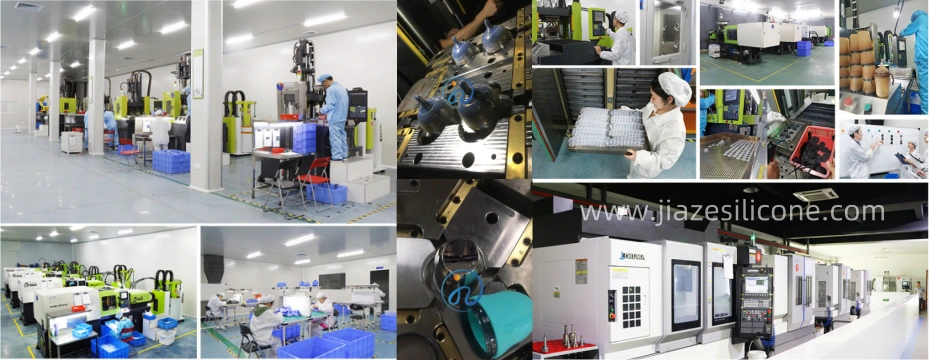
Selecting the right manufacturing partner is crucial for producing high-quality silicone injection molded products.
A reliable manufacturer should offer:
- Advanced LSR injection molding equipment
- Professional mold design capability
- Material expertise
- Strict quality management systems
- Experience in multiple industries
Additionally, manufacturers that provide design for manufacturability (DFM) support can help optimize product design before mass production, reducing development costs and production risks.
Conclusion
Silicone injection molding is a highly efficient and precise manufacturing method for producing high-performance silicone components. From material selection and mold design to injection molding and quality control, every step plays a vital role in ensuring product quality.
By understanding how silicone injection molded products are produced, engineers and product developers can make better decisions during product design and manufacturing planning.
As industries continue to demand durable, flexible, and high-performance materials, silicone injection molding will remain an essential technology for producing advanced silicone products in medical, consumer, and industrial applications.