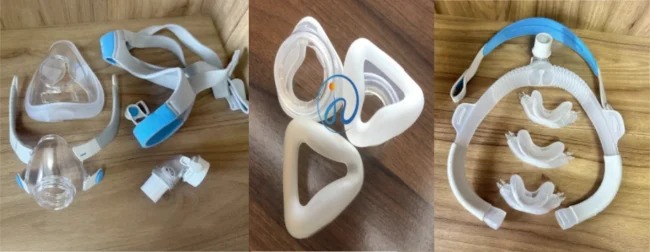
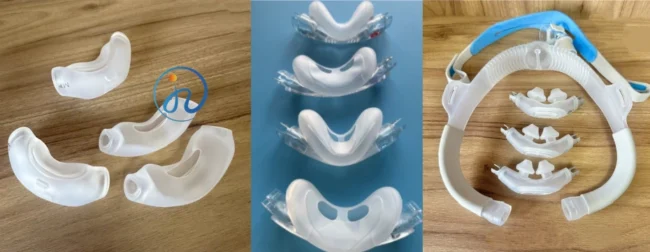
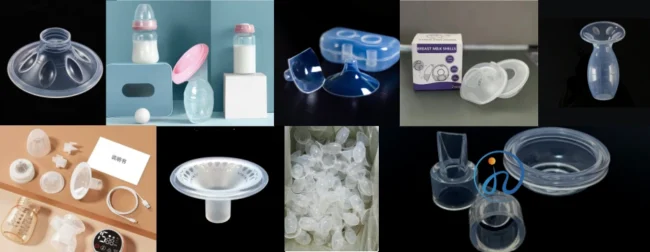
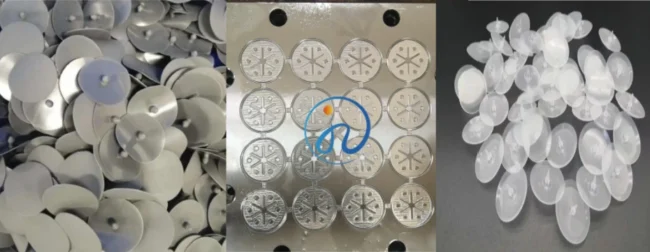
Liquid Silicone Rubber (LSR) overmolding is a revolutionary manufacturing process that combines the durability of rigid substrates (like PC, or nylon) with the soft-touch, biocompatibility, and extreme temperature resistance of silicone. From medical devices and automotive seals to consumer electronics, this technology enables the creation of sophisticated, multi-material components.
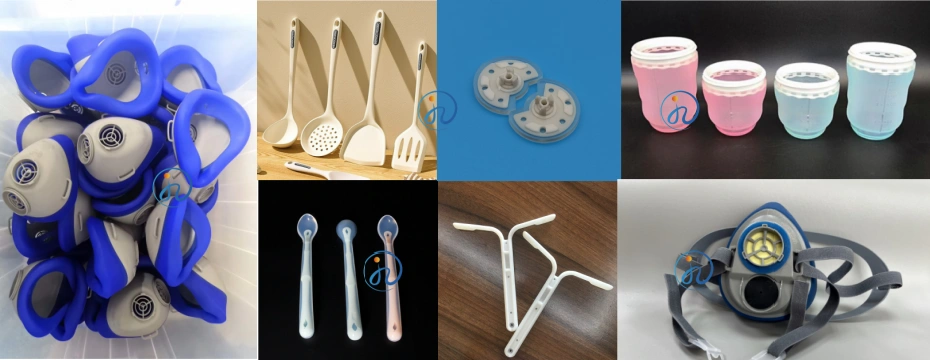
However, a significant challenge that manufacturers consistently face is high loss and scrap rates. These losses directly eat into profitability, increase waste, and disrupt production schedules. The question then becomes: How to reduce loss in liquid silicone overmolding?
This comprehensive guide delves into the root causes of waste in the LSR overmolding process and provides actionable, data-driven strategies to minimize loss, optimize your process, and achieve a higher return on investment.
Understanding the Root Causes of Loss in LSR Overmolding
Before we can implement solutions, it’s crucial to understand where and why loss occurs. The primary sources of waste can be categorized as follows:
- Part Defects: This is the most visible form of loss. It includes:
- Flash/Flashing: Thin, unwanted layers of silicone leaking into mold parting lines due to high injection pressure or poor clamp force.
- Voids & Air Traps: Bubbles or incomplete filling caused by trapped air, leading to weak, non-uniform parts.
- Incomplete Filling: Short shots where the mold cavity isn’t completely filled, resulting in a defective part.
- Adhesion Failures: The LSR fails to properly bond with the substrate, leading to delamination.
- Contamination: Dust, oils, or foreign particles causing surface imperfections or material degradation.
- Process Inefficiency: This is a more subtle but equally costly form of loss.
- Material Waste: Unused silicone from sprues and runners in a cold runner system that is discarded after each cycle.
- Cycle Time: Inefficient processes that lead to longer cycle times, reducing overall equipment effectiveness (OEE).
- Rework: Labor-intensive and time-consuming processes to trim flash or salvage partially defective parts.
Actionable Strategies to Reduce Loss in Liquid Silicone Overmolding
Reducing loss requires a holistic approach, addressing everything from mold design to post-production handling.
1. Optimize Mold Design and Engineering
The mold is the foundation of a successful LSR overmolding process. Investing in superior mold design is the most effective way to prevent loss.
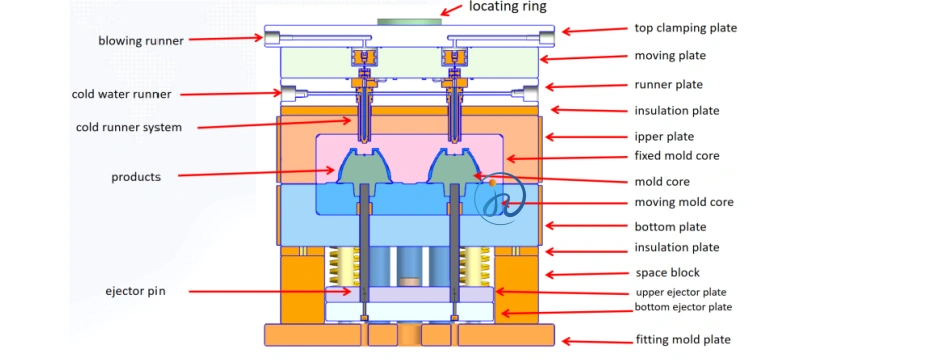
- Implement a Hot Runner System: Unlike cold runner systems that produce solid waste sprues with every cycle, a temperature-controlled hot runner system keeps the LSR in a liquid state. This eliminates sprue waste entirely, leading to material savings of 5-20% and a cleaner, more automated process.
- Precision Machining and Venting: LSR has a very low viscosity. To prevent flashing, mold parting lines must be machined to extreme tolerances. Simultaneously, properly placed and sized vents (often only a few microns deep) are critical to allow trapped air to escape, preventing voids and air traps.
- Scientific Gating: The gate design (where the LSR enters the cavity) is critical. Direct or pinpoint gates are often used for LSR. Their location and size must ensure laminar flow to avoid air entrapment and allow for a clean break-off, minimizing post-processing.
- Integrated Temperature Control: Use conformal cooling channels that follow the contours of the mold cavity. This ensures uniform and rapid heat distribution, which is crucial for consistent curing and reducing cycle times.
2. Fine-Tune Process Parameters with Data
LSR is sensitive to its processing environment. “Tuning by feel” is not enough; data-driven optimization is key.
- Injection Speed and Pressure: A balanced approach is vital. Too fast can cause turbulence and air traps; too slow can lead to premature curing and short shots. Use a fill-time study to determine the optimal speed that ensures laminar flow.
- Clamp Tonnage: Ensure the clamping force is sufficient to keep the mold tightly closed against the injection pressure, but not so high that it damages the mold or machine. This is a primary defense against flashing.
- Curing Time and Temperature: The curing reaction is time- and temperature-dependent. Over-curing wastes energy and time; under-curing leads to weak, tacky parts. Use Differential Scanning Calorimetry (DSC) data to understand the material’s exact curing profile and set parameters accordingly.
3. Master Material Handling and Preparation
Contamination is a silent killer of yield in LSR overmolding.
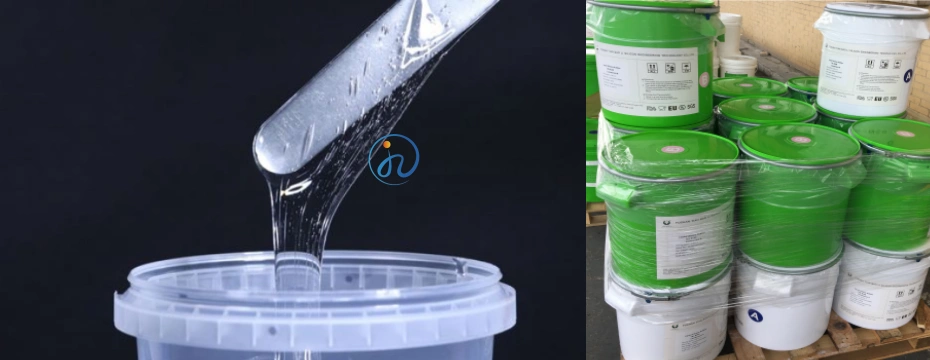
- Maintain Impeccable Cleanliness: The production area for LSR should be a controlled environment. Use automated drum handling and dispensing systems to minimize human contact and exposure to airborne contaminants.
- Proper Substrate Preparation: The bond between the LSR and the substrate is paramount. Ensure the substrate is perfectly clean and dry. Utilize effective pre-treatment methods like:
- Plasma Treatment: This industry-standard method microscopically cleans and activates the substrate’s surface, dramatically improving bond strength and reducing adhesion failures.
- Primers: Applying a specific primer can also promote a strong chemical bond.
- Consistent Material Conditioning: Keep the LSR material at a stable, recommended temperature before processing. Fluctuations can lead to inconsistent viscosity and fill behavior.
4. Implement Rigorous Quality Control and Automation
Catching defects early and automating repetitive tasks significantly reduces loss.
- Adopt Statistical Process Control (SPC): Monitor key process parameters (like injection pressure, temperature, and cycle time) in real-time. SPC can alert you to small deviations before they result in a batch of scrap parts.
- Automate Part Handling: Using robotics to de-mold parts eliminates variability and potential damage caused by manual handling. Robots can also perform consistent 100% inspection tasks using vision systems to check for common defects like flash or short shots.
- Establish a Robust Maintenance Schedule: Regularly clean and maintain molds, nozzles, and mixers. A small amount of cured silicone leftover in a nozzle can contaminate the next shot and cause a major defect.
Conclusion: A Culture of Continuous Improvement
Reducing loss in liquid silicone overmolding is not a one-time fix but a continuous journey of refinement. It requires a synergistic approach that combines:
- Precision Engineering (Optimized Mold Design)
- Data-Driven Execution (Fine-Tuned Process Parameters)
- Meticulous Attention to Detail (Material and Substrate Handling)
- Intelligent Systems (Automation and Quality Control)
By systematically addressing each of these areas, you can transform your LSR overmolding process from a source of high scrap rates into a model of efficiency and reliability. The result is not just reduced loss and lower costs, but also a superior, more consistent product that strengthens your competitive edge in the market.
Ready to optimize your LSR overmolding process? Contact a reputable mold designer and LSR material supplier today to conduct a thorough audit of your production line.