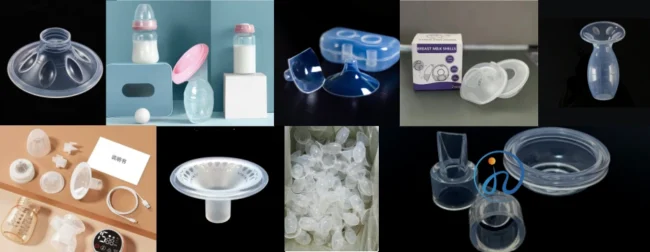
Disposable silicone nipples have become an essential component across baby care, healthcare, and specialized feeding solutions. Thanks to advancements in liquid silicone rubber (LSR) injection molding technology, manufacturers can now produce hygienic, safe, and high-precision feeding nipples designed for single or limited use.
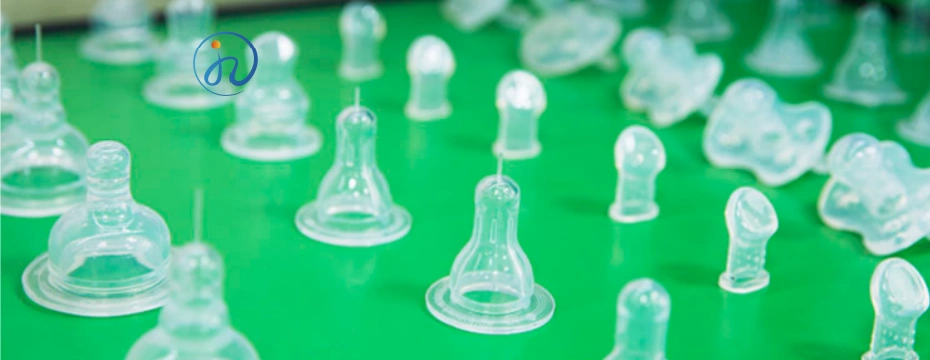
From newborn feeding bottles to hospital nutrition systems and veterinary rehabilitation, disposable silicone nipples offer unmatched safety, flexibility, and performance. This article explores their applications, material advantages, production considerations, and market opportunities — especially for OEM buyers, engineers, and product designers.
Understanding Disposable Silicone Nipples
Disposable silicone nipples are soft feeding components manufactured primarily from liquid silicone rubber (LSR). Unlike reusable nipples, disposable designs prioritize hygiene, infection prevention, and convenience.
They are used in environments where sterilization between uses may be difficult or where contamination risks must be minimized.
Key Material Characteristics
Disposable silicone nipples typically feature:
- Medical or food-grade silicone formulation
- High elasticity and tear resistance
- Odorless and tasteless material
- Temperature resistance (-40°C to 200°C)
- BPA-free and latex-free safety
Many manufacturers follow regulatory frameworks recommended by organizations such as the U.S. Food and Drug Administration to ensure materials meet infant and medical safety requirements.
Why Silicone Is Preferred for Disposable Nipples
Silicone has gradually replaced rubber and thermoplastic elastomers (TPE) in many disposable feeding applications.
1. Hygiene Performance
Silicone naturally resists bacterial adhesion compared with porous rubber materials.
Benefits include:
- Reduced contamination risks
- Smooth non-stick surfaces
- Easy sterilization during production
2. Hypoallergenic Safety
Latex allergies remain a concern in neonatal and hospital environments. Silicone eliminates latex protein exposure.
3. Precision Manufacturing
LSR injection molding allows:
- Consistent flow hole accuracy
- Uniform wall thickness
- Automated high-volume production
This precision is especially critical for controlled milk or liquid delivery.
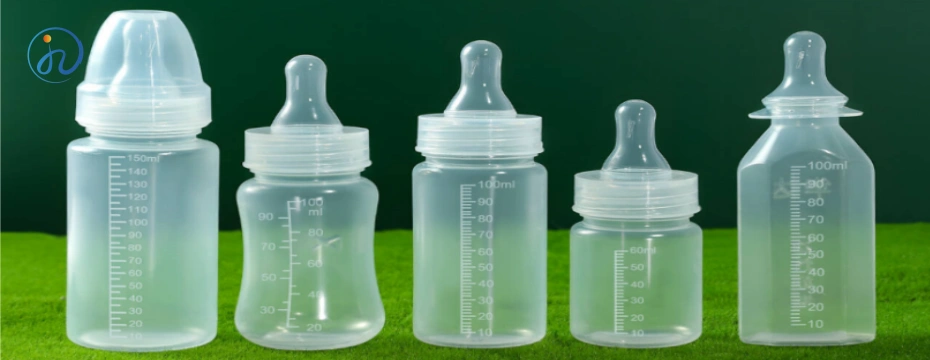
Major Applications of Disposable Silicone Nipples
Disposable silicone nipples serve multiple industries beyond traditional baby bottles.
Baby Feeding Bottles and Infant Care Products
The most common application remains infant feeding systems.
Why Disposable Nipples Are Used for Babies
Hospitals and parents increasingly prefer disposable feeding accessories to reduce infection risk among newborns.
Key advantages include:
- No cross contamination between infants
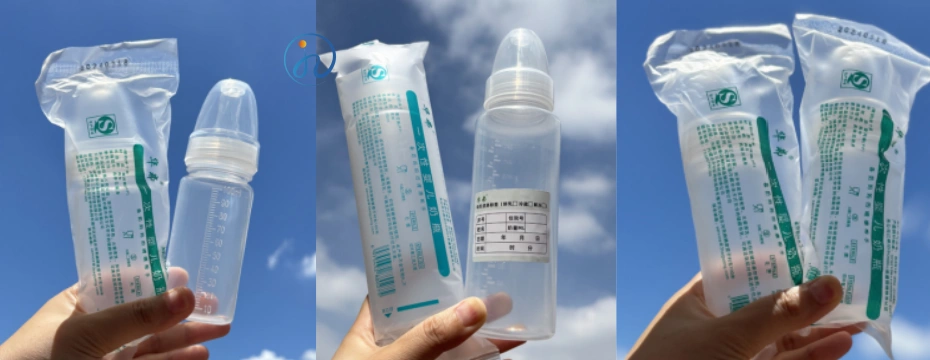
- Ready-to-use sterile packaging
- Reduced cleaning workload
Common Infant Applications
Disposable silicone nipples are used in:
- Standard baby bottles
- Anti-colic feeding systems
- Premature infant feeding devices
- Travel feeding kits
Neonatal intensive care units (NICUs) often rely on disposable feeding components to ensure safety for premature babies with immature immune systems.
Hospital and Medical Feeding Systems
Disposable silicone nipples are increasingly used in medical nutrition delivery systems.
Clinical Feeding Applications
Hospitals use them for:
- Neonatal feeding
- Elderly patient nutrition
- Post-surgery recovery feeding
- Special care swallowing disorders
Many patients cannot drink normally after surgery or during rehabilitation.
Silicone nipples provide:
- Controlled liquid flow
- Comfortable mouth contact
- Easy swallowing assistance
Manufacturers producing medical versions must comply with biocompatibility testing standards such as ISO 10993 used widely in healthcare product validation.
Infection Control Benefits
Single-use or short-term disposable nipples help reduce:
- Hospital-acquired infections
- Cross-patient contamination
- Cleaning errors in busy wards
Healthcare institutions increasingly prioritize disposable components to improve patient safety.
3. Veterinary Feeding and Animal Care
Disposable silicone nipples are also widely used in veterinary rehabilitation.
Veterinary Applications Include
- Feeding orphaned puppies and kittens
- Wildlife rehabilitation centers
- Livestock newborn feeding assistance
Young animals often require special feeding tools that mimic natural nursing behavior.
Silicone nipples offer:
- Soft oral contact
- Bite resistance
- Adjustable feeding hole sizes
Wildlife rescue organizations frequently depend on disposable feeding tools to prevent disease transmission between rescued animals.
4. Pharmaceutical and Laboratory Liquid Delivery
Disposable silicone nipples are used in controlled liquid dispensing environments.
Examples include:
- Research animal feeding
- Laboratory testing containers
- Nutritional supplement dosing
Because silicone remains chemically stable, it does not react with most fluids.
Advantages include:
- No odor contamination
- Chemical inertness
- Reliable dosing consistency
Laboratories often select disposable versions to maintain sterile experimental conditions.
5. Emergency Relief and Humanitarian Applications
In disaster response or refugee healthcare programs, sanitation infrastructure may be limited.
Organizations such as the World Health Organization frequently emphasize hygienic feeding practices to reduce infant illness risks.
Disposable silicone nipples provide:
- Portable feeding solutions
- Reduced sterilization requirements
- Safe infant nutrition delivery
They are commonly included in:
- Emergency newborn kits
- Mobile clinics
- Field hospitals
6. Specialty Consumer Feeding Products
The consumer market also uses disposable nipples in niche scenarios.
Examples include:
- Travel baby feeding kits
- Disposable milk storage bottles
- On-the-go parenting products
Busy families appreciate convenience when sterilizing equipment is difficult during travel.
Material Types Used in Disposable Silicone Nipples
Manufacturers typically select between two silicone categories.
Food Grade Silicone
Used mainly for consumer baby products.
Features:
- FDA food contact compliance
- Tasteless feeding experience
- Transparent appearance
Medical Grade Silicone
Designed for hospital use.
Characteristics:
- Higher purity formulation
- Extensive biocompatibility testing
- Traceability documentation
Medical buyers usually require batch certification and validation reports.
Manufacturing Process of Disposable Silicone Nipples
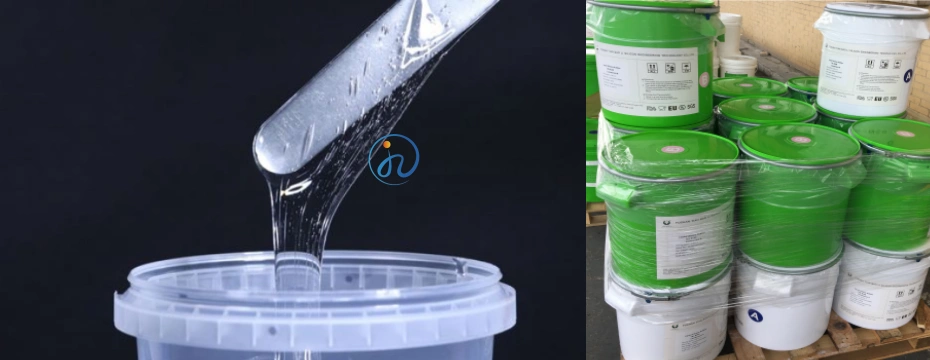
Disposable nipples are generally produced through LSR injection molding.
Typical workflow includes:
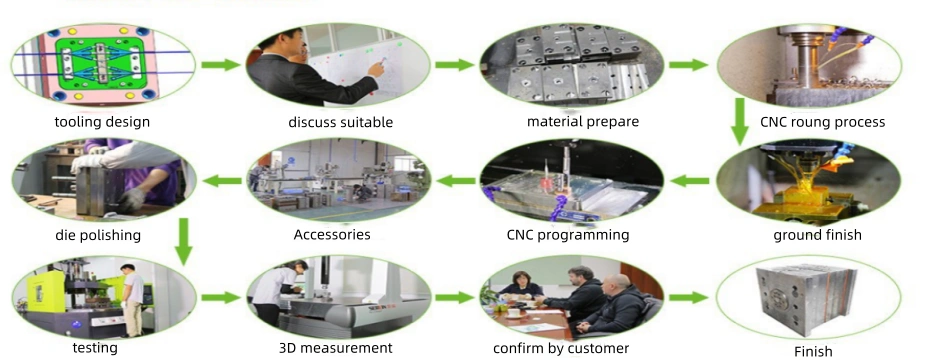
Step 1 — Mold Design
Engineers design molds with:
- Flow control venting
- Multi-cavity structures
- Precise feeding hole formation
High-volume molds may reach 16–64 cavities.
Step 2 — Material Metering
Two-component silicone is automatically mixed.
Benefits:
- Stable curing performance
- Minimal waste
Step 3 — Injection and Curing
Hot runner systems inject material into heated molds.
Curing occurs rapidly under controlled temperatures.
Step 4 — Automatic Demolding
Automation helps:
- Prevent contamination
- Increase productivity
Robotic demolding is common for medical-grade products.
Step 5 — Secondary Operations
Manufacturers may perform:
- Slit cutting
- Laser hole punching
- Plasma cleaning
These steps ensure consistent milk flow performance.
Key Design Considerations for Disposable Silicone Nipples
Buyers and engineers must consider several factors.
Flow Rate Control
Different infants require:
- Slow flow newborn nipples
- Medium flow standard feeding
- High flow thick liquid feeding
Hole geometry directly influences performance.
Softness and Shore Hardness
Typical hardness ranges:
- 30A–50A Shore hardness
Softer nipples mimic breastfeeding more naturally.
Anti-Colic Venting
Airflow systems help reduce infant gas intake.
Designs may include:
- Side vents
- Base air channels
Quality Control and Testing Requirements
Disposable silicone nipples must undergo strict validation.
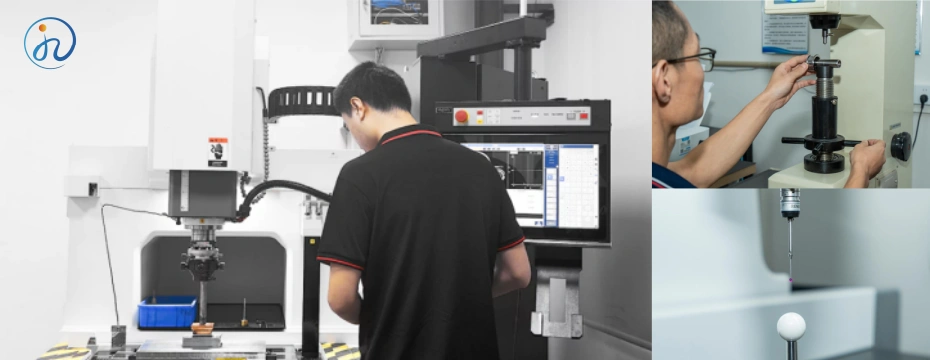
Common testing includes:
- Tear strength testing
- Pull testing
- Flow rate measurement
- Aging resistance
Medical products also require:
- Cytotoxicity testing
- Extractables analysis
Sterile packaging validation may also be required.
Conclusion
Disposable silicone nipples have expanded far beyond traditional baby bottles. Today they serve critical roles in infant care, hospital feeding systems, veterinary rehabilitation, laboratory environments, and emergency healthcare.
Their combination of hygiene safety, material stability, comfort, and manufacturing precision makes them an indispensable component for modern feeding solutions.
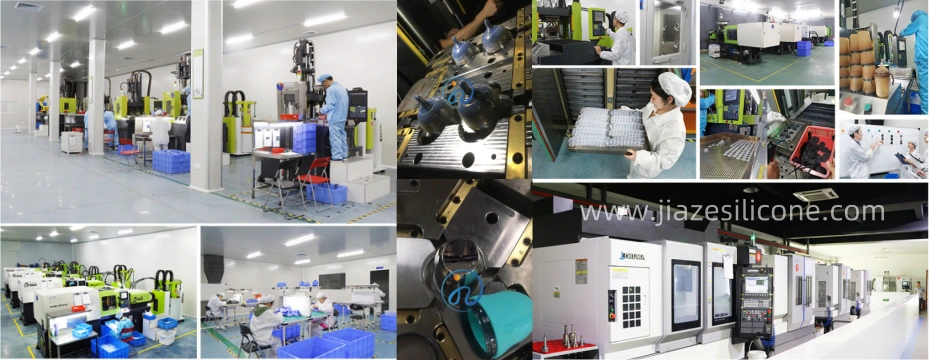
For brand owners and product designers, partnering with experienced LSR injection molding manufacturers ensures compliance, scalability, and consistent product performance — especially when targeting medical or infant markets.
As healthcare hygiene awareness continues to grow globally, disposable silicone nipples will remain an essential and rapidly expanding product category.