Baby feeding products are specially designed items that help parents safely and efficiently feed infants and toddlers from birth through early childhood. These products support different feeding stages, including breastfeeding, bottle feeding, complementary feeding, and self-feeding.
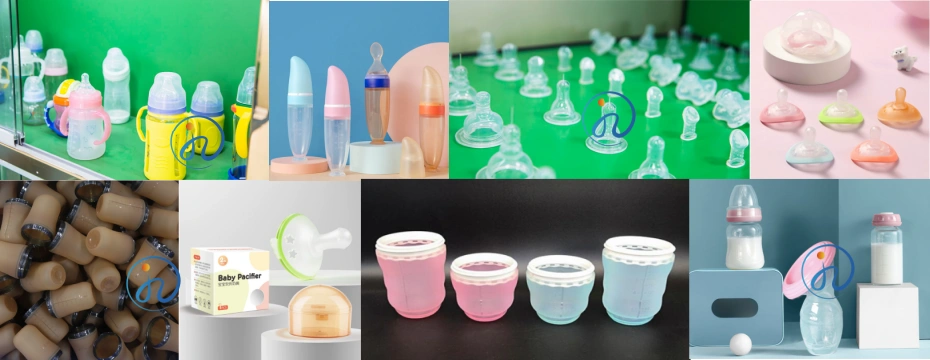
With the growing demand for safety, hygiene, and sustainability, modern baby products are commonly made from food-grade silicone, BPA-free plastics, glass, and stainless steel. Among these materials, liquid silicone rubber (LSR) has become increasingly popular due to its softness, heat resistance, durability, and non-toxic properties.
In this complete guide, we will explore:
- The main categories of baby feeding products
- Materials used in baby feeding supplies
- Benefits of silicone baby feeding products
- How to choose safe feeding products
- Manufacturing trends and customization opportunities
What Are Baby Feeding Bottles?
Baby bottles are essential baby feeding products used for formula feeding, expressed breast milk feeding. They are typically designed with measurement markings and compatible nipples.
Types of Baby Bottles
- Plastic baby bottles (BPA-free)
- Glass baby bottles
- Silicone baby bottles
- Anti-colic bottles with vent systems
Why Silicone Bottles Are Popular
Liquid silicone rubber bottles offer:
- Heat resistance up to 200°C+
- Soft, squeezable texture similar to breast tissue
- Odorless and non-toxic material
- Long service life
Silicone bottles are particularly attractive to parents seeking safe.
Baby Nipples & Teats
Baby nipples (also called teats) are the feeding components attached to baby bottles. They are one of the most critical baby feeding products because they directly contact the baby’s mouth.
Common Nipple Types
- Slow flow (0–3 months)
- Medium flow (3–6 months)
- Fast flow (6+ months)
- Variable flow nipples
- Anti-colic vented nipples
Why Silicone Nipples Dominate the Market
Compared to latex, silicone nipples:
- Are odorless and tasteless
- Do not absorb liquids
- Resist tearing
- Maintain shape after sterilization
- Offer higher hygiene standards
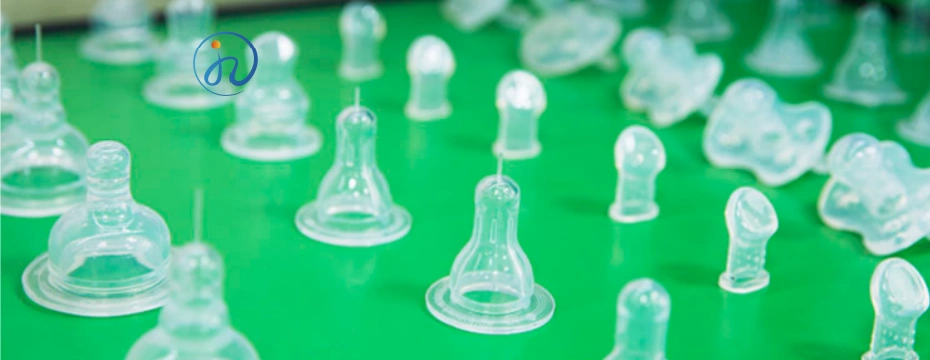
Medical-grade and food-grade LSR nipples are manufactured using liquid injection molding (LIM), ensuring precision and consistency.
Pacifiers & Soothers
Pacifiers are soothing baby feeding products that help calm infants and satisfy their natural sucking reflex.
Pacifier Categories
- Orthodontic pacifiers
- Round nipple pacifiers
- One-piece silicone pacifiers
- Glow-in-the-dark pacifiers
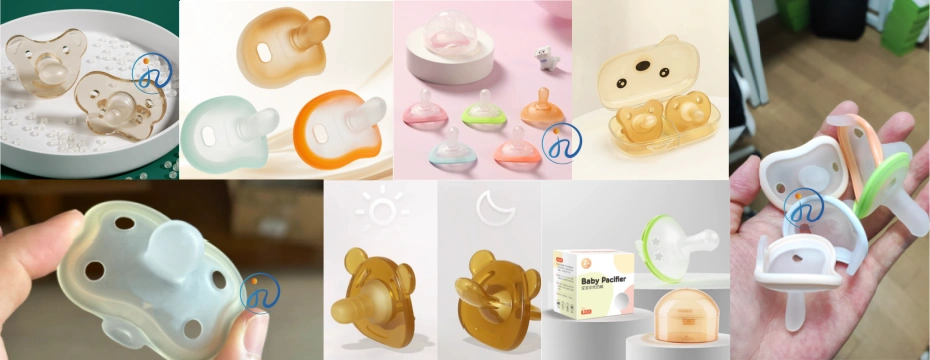
One-piece silicone pacifiers are especially popular because they:
- Eliminate detachable parts
- Are safer and more hygienic
- Are easy to sterilize
- Reduce choking hazards
Silicone Baby Tableware
When babies begin complementary feeding (around 6 months), tableware becomes essential.
Common Baby Feeding Tableware Products
- Silicone suction bowls
- Divided plates
- Soft-tip spoons
- Fork and spoon sets
- Training cups
- Snack containers
Why Silicone Tableware Is Trending
Food-grade silicone baby tableware offers:
- Strong suction base (prevents spills)
- Soft texture (protects gums)
- Microwave and dishwasher safe
- High-temperature resistance
- Durable and reusable
For brands and distributors, silicone feeding sets are highly customizable in color, logo, and packaging.
Baby Feeding Accessories
In addition to core feeding products, several accessories support hygiene and convenience.
Essential Accessories Include:
- Silicone waterproof bibs
- Baby food feeders
- Bottle brushes
- Sterilizers
- Bottle drying racks
- Formula dispensers
These accessories improve cleanliness and feeding efficiency, making them indispensable baby feeding products.
6. Materials Used in Baby Feeding Products
Choosing the right material is critical for safety and compliance.
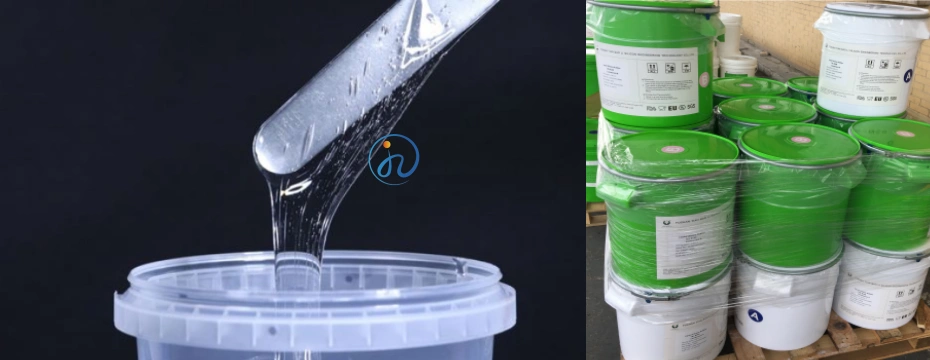
1. Liquid Silicone Rubber (LSR)
- Food-grade & medical-grade options
- High transparency
- Temperature resistance (-40°C to 200°C)
- Non-toxic and BPA-free
- Durable and flexible
2. BPA-Free Polypropylene (PP)
- Lightweight
- Cost-effective
- Widely used in bottle bodies
3. Glass
- Chemical-free
- Easy to clean
- Heavy but durable
4. Stainless Steel
- Long-lasting
- Used for insulated bottles
Among these, LSR stands out for safety, flexibility, and premium positioning.
7. Safety Standards
Manufacturers and brands must comply with global regulations such as:
- FDA food contact standards (USA)
- LFGB certification (Germany)
- EN14350 for feeding bottles (EU)
- CPSIA compliance (USA)
- REACH regulations (EU)
High-quality baby feeding products should be:
- BPA-free
- Phthalate-free
- Odorless
- Heat resistant
- Tear resistant
8. Why Liquid Silicone Rubber Is Ideal for Baby Feeding Products
For OEM/ODM manufacturers, LSR injection molding provides:
- High precision molding
- Stable product consistency
- Automated mass production
- Cleanroom manufacturing capability
- Overmolding with plastic components
Silicone feeding products are particularly suitable for:
- Nipples
- Pacifiers
- Suction bowls
- Teethers
- Soft spoons
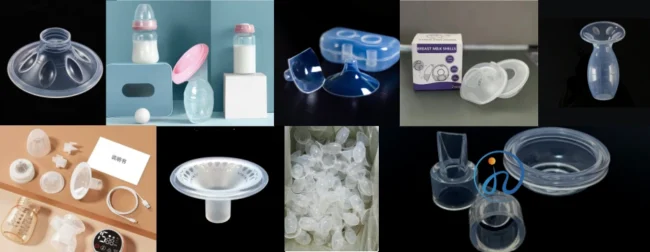
- Breast pump accessories
For companies targeting premium markets in North America and Europe, silicone baby feeding products offer strong differentiation and higher margins.
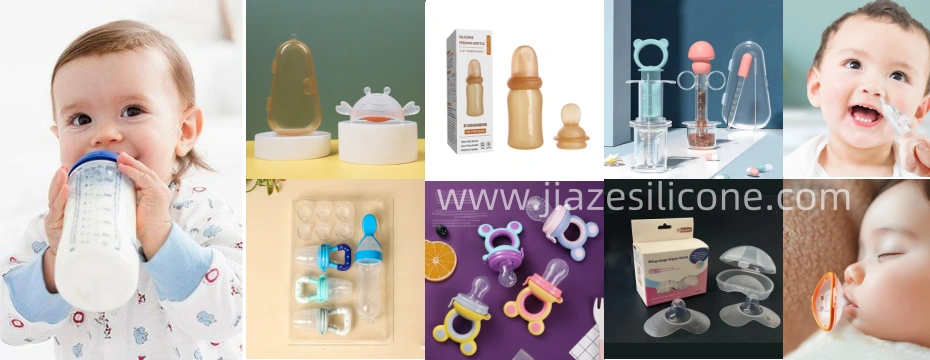
Conclusion
They are essential tools that support infants’ nutrition and development, ranging from bottles and nipples to silicone tableware and feeding accessories. As safety standards rise and parents demand better materials, liquid silicone rubber has become a leading solution in the baby feeding industry.
For brands, wholesalers, and distributors, investing in high-quality silicone baby feeding products offers:
- Strong market demand
- Premium positioning
- Long product lifecycle
- Excellent customization opportunities
As the industry continues to evolve, innovation in silicone molding technology will further enhance safety, durability, and design flexibility.
If you are a brand owner or distributor looking to develop customized silicone baby feeding products, working with an experienced LSR injection molding manufacturer can significantly improve product quality, compliance, and competitiveness in the global market.