A Liquid Silicone CPAP Face Nose Mask is a medical device used in Continuous Positive Airway Pressure (CPAP) therapy to treat sleep apnea. It is designed to deliver a steady stream of pressurized air through the nose or both the nose and mouth, ensuring that the patient’s airway remains open during sleep.
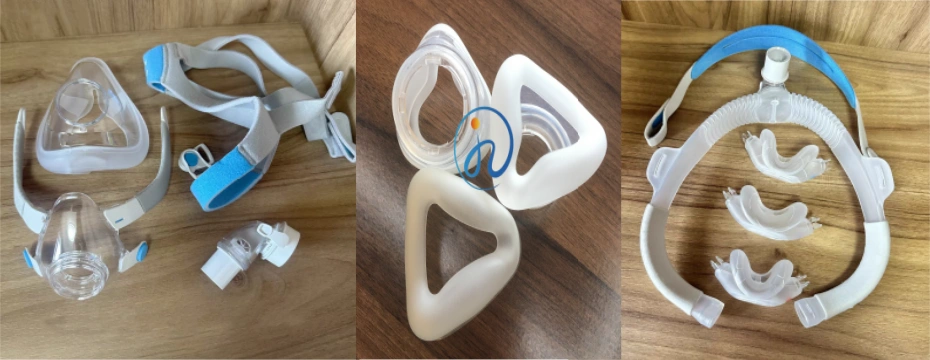
What makes this type of mask unique is the use of Liquid Silicone Rubber (LSR), a high-performance elastomer known for its softness, flexibility, and biocompatibility. Compared to traditional materials, liquid silicone offers superior comfort, durability, and safety, making it the preferred choice for modern CPAP masks.
1. Understanding CPAP Face Nose Masks
CPAP masks come in different styles, but face nose masks (also called full face masks or nasal masks) are among the most widely used.
Types of CPAP Masks:
- Nasal masks – cover only the nose
- Full face masks – cover both nose and mouth
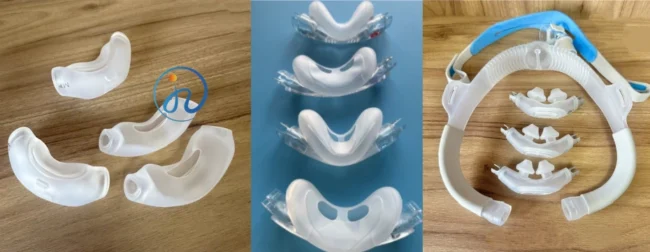
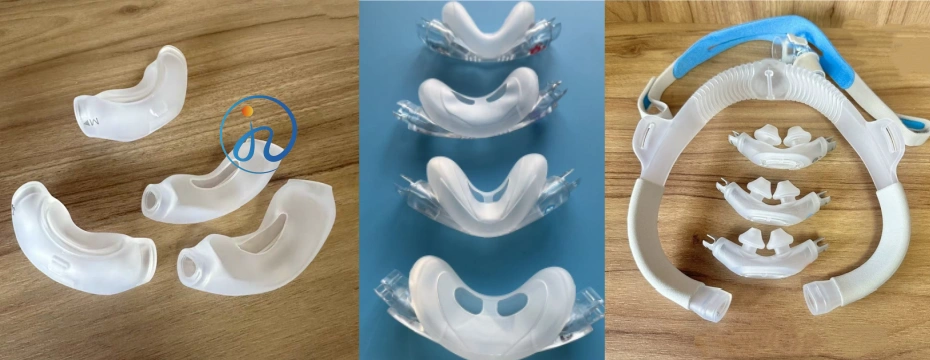
- Nasal pillow masks – fit directly into the nostrils
Liquid silicone is primarily used in the sealing cushion, which is the most critical component for comfort and performance.
2. What Is Liquid Silicone Rubber (LSR)?
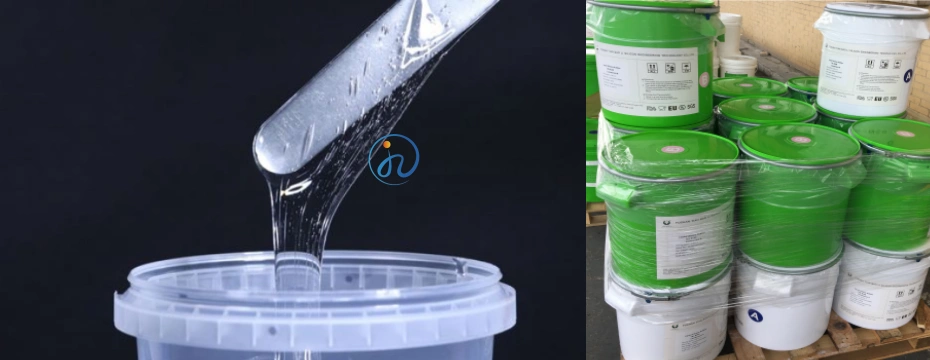
Liquid Silicone Rubber (LSR) is a two-component platinum-cured silicone material that is widely used in medical and healthcare applications.
Key Properties of LSR:
- Excellent biocompatibility
- High thermal stability
- Superior flexibility and elasticity
- Resistance to bacteria and chemicals
- Transparent or customizable color
These properties make LSR ideal for long-term skin contact, especially in CPAP therapy where masks are worn for 6–8 hours every night.
3. Structure of a Liquid Silicone CPAP Mask
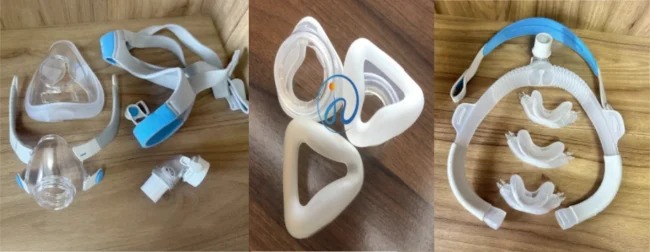
A typical CPAP face nose mask consists of multiple components:
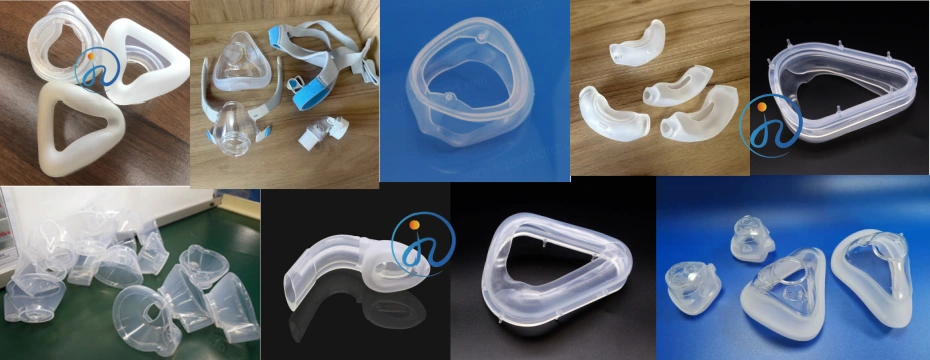
1. Silicone Cushion (Core Component)
- Made from medical-grade LSR
- Provides an airtight seal
- Soft and skin-friendly
2. Mask Frame
- Usually made from PC (polycarbonate) or ABS
- Supports the silicone cushion
3. Headgear
- Adjustable straps for secure fit
4. Elbow Connector
- Connects mask to CPAP machine tubing
Among these, the silicone cushion accounts for the majority of user comfort and product value.
4. Why Use Liquid Silicone for CPAP Masks?
1. Superior Comfort
LSR is extremely soft and adapts to facial contours, reducing pressure points and skin irritation.
2. Excellent Sealing Performance
The elasticity of liquid silicone ensures a tight seal, minimizing air leakage during therapy.
3. Biocompatibility & Safety
Medical-grade LSR meets strict regulatory standards, making it safe for prolonged skin contact.
4. Durability
Unlike traditional rubber or PVC, LSR maintains performance over time without deformation.
5. Easy to Clean
Silicone surfaces resist bacteria buildup and can be easily sanitized.
5. Manufacturing Process of Liquid Silicone CPAP Masks
The production of CPAP silicone masks involves advanced manufacturing techniques.
Step 1: Material Preparation
Two-component liquid silicone is mixed and prepared for molding.
Step 2: LSR Injection Molding
- High-precision molds are used
- Automated injection ensures consistency
- Curing occurs at high temperatures
Step 3: Demolding
Finished silicone parts are removed from molds.
Step 4: Secondary Processing
- Trimming
- Surface treatment
- Quality inspection
Step 5: Assembly
Silicone cushions are combined with plastic frames and other components.
Step 6: Sterilization & Packaging
Final products are sterilized and packaged according to medical standards.
6. Applications of Liquid Silicone CPAP Masks
Liquid silicone CPAP masks are used in:
1. Sleep Apnea Treatment
Primary application for patients with obstructive sleep apnea (OSA).
2. Hospital Respiratory Care
Used in ICU and emergency respiratory support.
3. Home Healthcare
Increasing demand due to portable CPAP devices.
7. Advantages Over Traditional Materials
| Feature | Liquid Silicone | PVC / TPE |
|---|---|---|
| Comfort | Excellent | Moderate |
| Biocompatibility | Medical-grade | Limited |
| Durability | High | Low |
| Odor | Odorless | May have odor |
| Transparency | High | Limited |
Liquid silicone clearly outperforms traditional materials in medical-grade applications.
8. Key Design Considerations
When designing a CPAP silicone mask, manufacturers must consider:
1. Ergonomic Design
Ensures a comfortable fit for different face shapes.
2. Seal Optimization
Prevents air leakage while maintaining comfort.
3. Thickness Control
Thin edges improve comfort, while thicker areas provide support.
4. Ventilation Design
Reduces noise and improves airflow efficiency.
11. OEM & Customization Opportunities
For brands and distributors, LSR CPAP masks offer strong customization potential:
Customization Options:
- Logo printing
- Color customization
- Packaging design
- Unique ergonomic structures
OEM/ODM services allow businesses to differentiate their products and build brand value.
12. How to Choose a Reliable Manufacturer
Selecting the right supplier is critical for quality and compliance.
Key Factors:
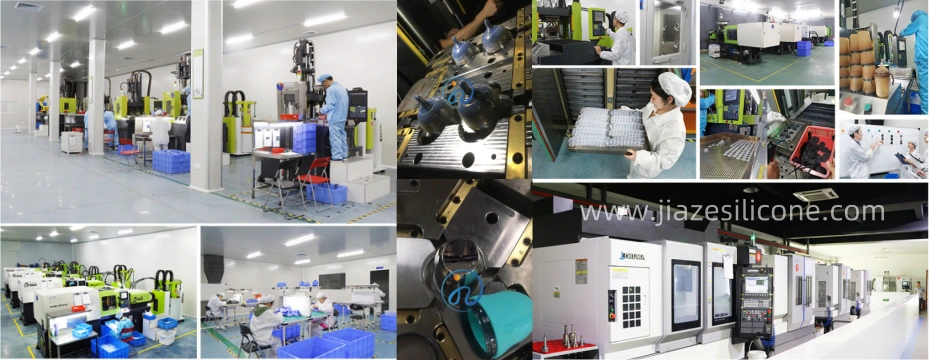
- Experience in medical-grade LSR
- Certifications (ISO 13485, FDA, CE)
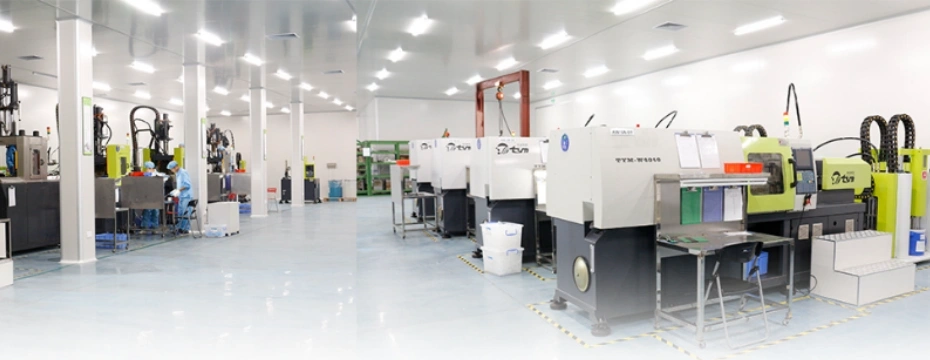
- Advanced injection molding equipment
- Strong R&D capability
- Strict quality control system
A professional manufacturer ensures consistent product performance and regulatory compliance.
Conclusion
A Liquid Silicone CPAP Face Nose Mask represents the latest advancement in sleep apnea therapy devices. With its superior comfort, safety, and durability, liquid silicone has become the preferred material for high-quality CPAP masks.
Key Takeaways:
- LSR provides unmatched comfort and sealing performance
- Ideal for long-term medical use
- Widely used in sleep apnea and respiratory care
- Offers strong customization opportunities for brands
As the healthcare industry continues to evolve, liquid silicone CPAP masks will play an increasingly important role in improving patient outcomes and user experience.