Respiratory protection is essential in many industries where workers are exposed to dust, fumes, vapors, or airborne contaminants. Among the most widely used forms of personal protective equipment (PPE) is the half-mask respirator. It offers a balance between protection, comfort, and cost, making it a popular choice across industrial, medical, and commercial environments.
1. What Is a Half-Mask Respirator?
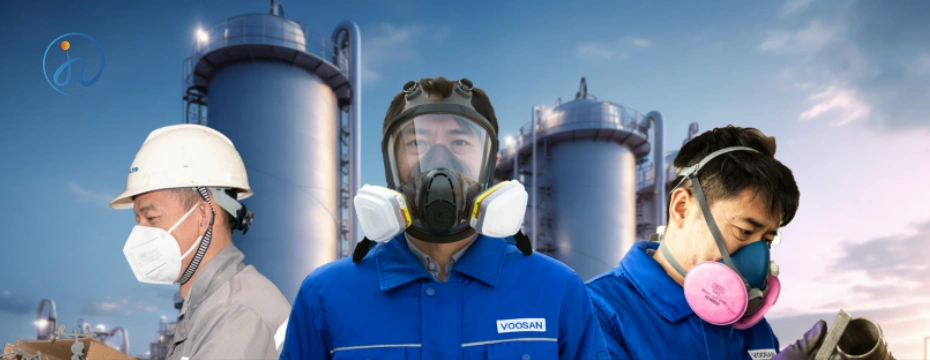
A half-mask respirator is a reusable or disposable respiratory protective device that covers the nose and mouth, but not the eyes or entire face. It is designed to protect the wearer from inhaling harmful airborne particles, gases, or vapors when used with appropriate filters or cartridges.
Unlike full-face respirators, half-mask respirators rely on:
- A tight seal around the nose and mouth
- Replaceable filters or cartridges
- Compatibility with additional eye protection if needed
Half-mask respirators are commonly used in environments where respiratory hazards exist but full facial protection is not required.
2. How Does a Half-Mask Respirator Work?
A half-mask respirator works by filtering contaminated air before it is inhaled by the user.
Basic Working Principle
- Air is drawn through filter cartridges or particulate filters
- Contaminants are trapped by filter media
- Clean air enters the breathing zone
- Exhaled air exits through an exhalation valve
The level of protection depends on:
- Type of filter or cartridge used
- Proper fit and seal
- Correct usage and maintenance
3. Key Components of a Half-Mask Respirator
Understanding the structure helps buyers and users evaluate quality and performance.
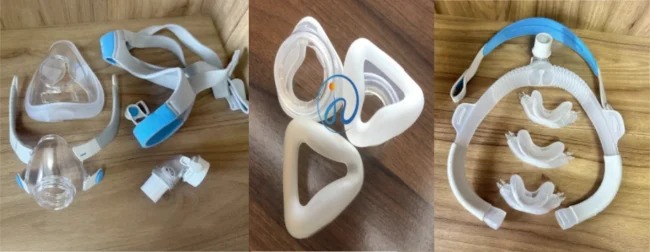
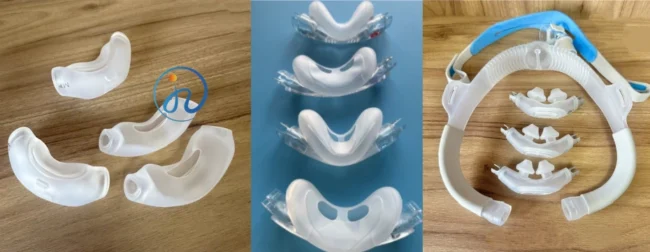
3.1 Facepiece
- Made from silicone rubber, TPE, or elastomeric materials
- Soft, flexible, and skin-friendly
- Designed to form an airtight seal
3.2 Filter Cartridges
Different cartridges protect against different hazards:
- Particulate filters (dust, mist, smoke)
- Gas and vapor cartridges (organic vapors, acid gases)
- Combination cartridges
3.3 Head Straps or Harness
- Adjustable for different head sizes
- Ensures even pressure distribution
- Helps maintain a stable seal during movement
3.4 Exhalation Valve
- Reduces breathing resistance
- Minimizes heat and moisture buildup
- Improves user comfort during long wear times
4. Types of Half-Mask Respirators
Half-mask respirators can be classified based on design, material, and usage.
4.1 Disposable Half-Mask Respirators
- Often referred to as filtering facepiece respirators
- Lightweight and low-cost
- Designed for single or limited use
- Common in construction and basic industrial tasks
4.2 Reusable Half-Mask Respirators
- Made from durable elastomeric materials
- Replaceable filters and cartridges
- Longer service life
- Lower long-term cost
Reusable half-mask respirators are widely used in industrial and professional environments.
5. Materials Used in Half-Mask Respirators
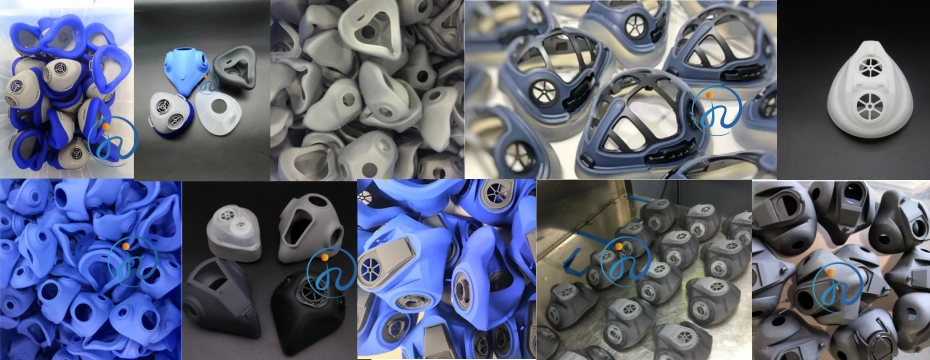
High-quality materials are critical for comfort, durability, and safety.
Common Materials
- Liquid Silicone rubber: Soft, flexible, long-lasting, skin-safe
- Thermoplastic elastomer (TPE): Cost-effective, lightweight
- Natural rubber: Good elasticity but less chemical resistance
Silicone half-mask respirators are increasingly preferred due to:
- Better sealing performance
- Resistance to high and low temperatures
- Hypoallergenic properties
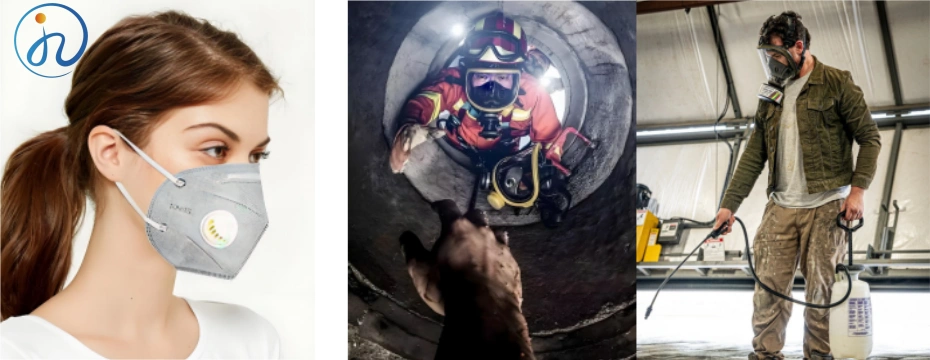
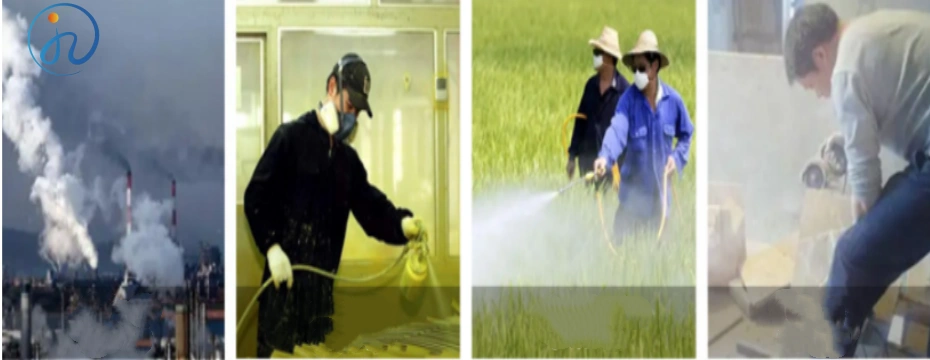
6. Applications of Half-Mask Respirators
Half-mask respirators are used across many industries.
6.1 Industrial Manufacturing
- Metal fabrication
- Welding and grinding
- Chemical processing
- Plastic and rubber molding
6.2 Construction
- Dust and silica exposure
- Cement handling
- Painting and coating
6.3 Healthcare and Medical Settings
- Non-surgical respiratory protection
- Laboratory work
- Pharmaceutical manufacturing
6.4 Agriculture
- Pesticide spraying
- Grain handling
- Animal farming environments
7. Advantages of Half-Mask Respirators
Half-mask respirators offer several key benefits.
7.1 Cost-Effective
- Lower initial cost than full-face respirators
- Replaceable filters reduce waste
7.2 Comfortable to Wear
- Lightweight design
- Less facial coverage reduces heat buildup
- Suitable for extended wear
7.3 Versatile Protection
- Wide range of filter options
- Suitable for multiple hazard types
7.4 Easy Maintenance
- Simple cleaning procedures
- Quick cartridge replacement
8. Maintenance and Cleaning
Reusable half-mask respirators require routine care.
Cleaning Steps
- Remove filters and cartridges
- Wash facepiece with mild detergent
- Rinse thoroughly
- Air dry completely
- Reassemble after inspection
Proper maintenance extends service life and ensures safety.
9. Choosing the Right Half-Mask Respirator
When selecting a half-mask respirator, consider:
- Type of airborne hazard
- Exposure concentration
- Work duration
- Comfort requirements
- Certification standards
Consulting with a professional PPE supplier or manufacturer can help ensure correct selection.

10. Why Half-Mask Respirators Are Used
Half-mask respirators offer a practical balance of:
- Protection
- Comfort
- Cost efficiency
- Flexibility
This makes them a preferred solution for many industrial and commercial applications worldwide.
11. Conclusion
A half-mask respirator is a reliable and widely used respiratory protection device that covers the nose and mouth while filtering harmful airborne contaminants. When properly selected, fitted, and maintained, it provides effective protection in a wide range of industrial, medical, and commercial environments.
Understanding what a half-mask respirator is, how it works, and where it should be used helps businesses and workers improve safety, comply with regulations, and reduce health risks.
For manufacturers and buyers alike, choosing high-quality materials, certified designs, and trusted suppliers is the key to long-term performance and user satisfaction.