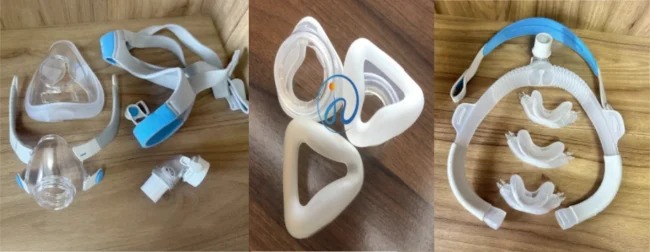
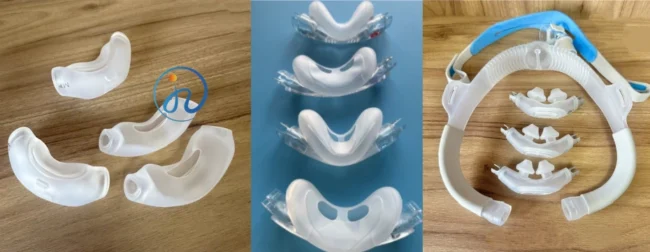
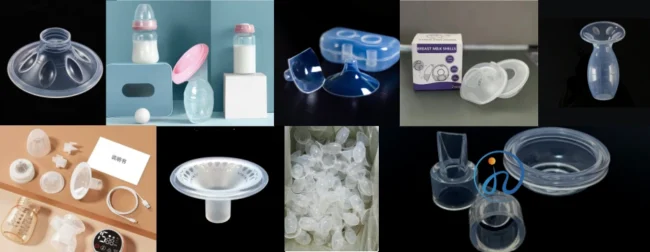
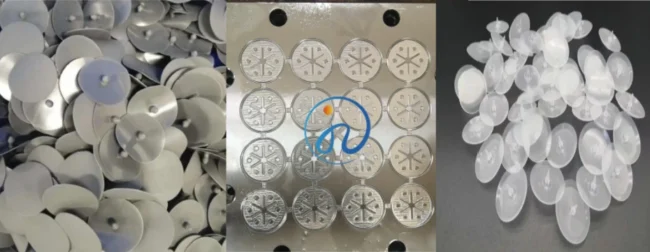
Consumer liquid silicone rubber (LSR) parts refer to silicone components manufactured through liquid injection molding technology specifically designed for everyday consumer products. These parts are widely used in kitchenware, baby products, wearable electronics, personal care devices, smart home accessories, and lifestyle goods because of their safety, flexibility, durability, and excellent environmental resistance.
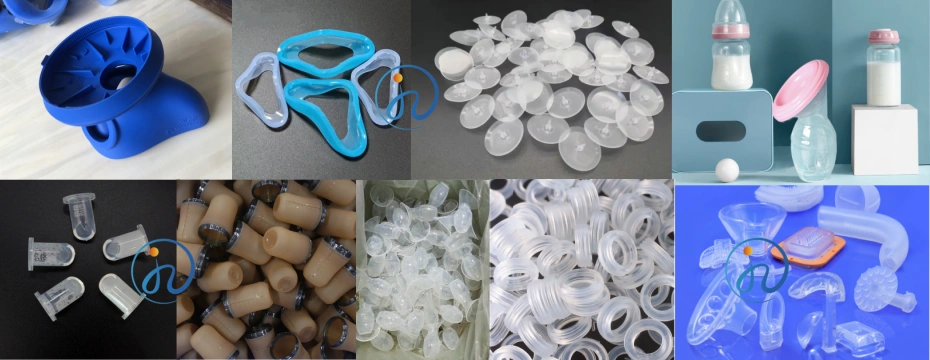
As global consumer products increasingly require safety certification, comfort, long service life, and premium aesthetics, liquid silicone rubber has become one of the most preferred materials among product designers and OEM manufacturers.
Understanding Liquid Silicone Rubber (LSR)
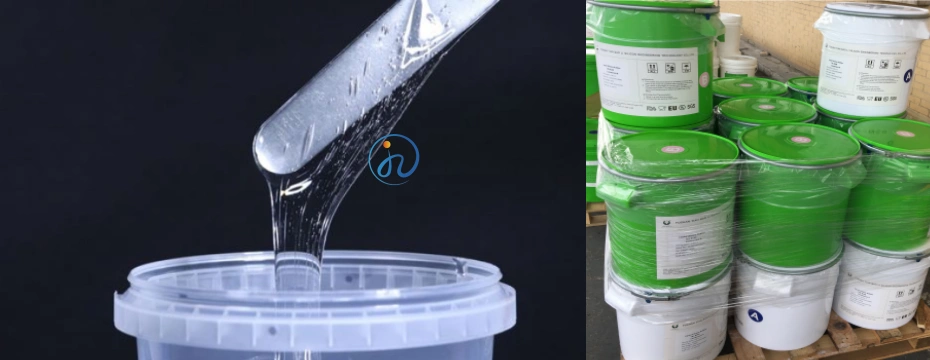
Liquid Silicone Rubber is a two-component platinum-cured elastomer consisting of Part A and Part B materials. These components are mixed precisely during injection molding and chemically cured under heat inside a mold cavity.
Unlike traditional solid silicone rubber that requires compression molding, LSR flows easily like a liquid before curing. This property allows manufacturers to produce highly complex geometries with extremely tight tolerances and automated mass production.
Key characteristics include:
- High flexibility and elasticity
- Wide temperature resistance (-50°C to 250°C)
- Food-grade and skin-safe compatibility
- Excellent transparency and coloring capability
- Chemical and UV resistance
Because of these properties, LSR has become essential in modern consumer product manufacturing.
What Defines Consumer LSR Parts?
Consumer LSR parts are silicone components specifically designed for non-industrial, everyday-use products that interact directly with users.
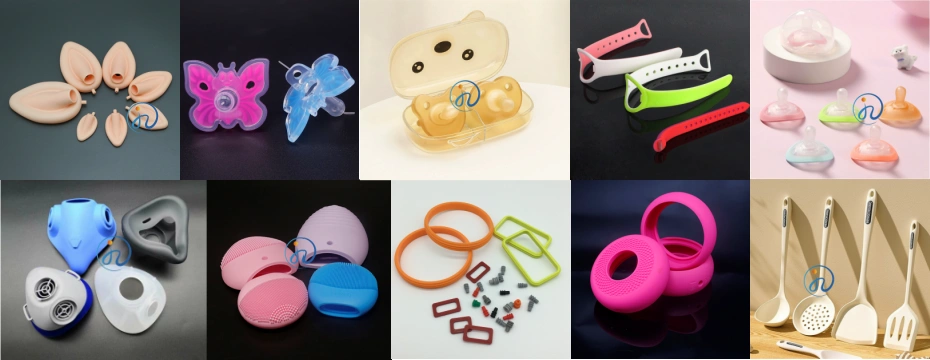
Typical examples include:
- Baby feeding nipples
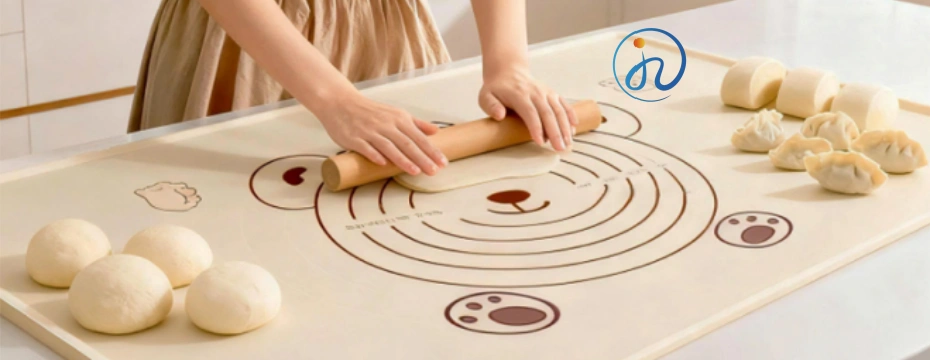
- Silicone kitchen utensils
- Wearable device seals
- Toothbrush components
- Beauty device interfaces
- Protective covers for electronics
Unlike automotive or medical LSR components, consumer-grade silicone focuses heavily on:
- Comfort
- Appearance
- Safety certifications
- Mass production efficiency
- Cost optimization
Many consumer LSR products require compliance with food-contact or skin-contact standards depending on application.
Key Properties of Consumer Liquid Silicone Rubber Parts
1. Excellent Safety Performance
LSR is inherently non-toxic and odorless when platinum cured.
It can meet:
- FDA food contact standards
- LFGB European requirements
- Skin-contact safety regulations
This makes it ideal for baby products and kitchenware.
2. Soft Touch and Comfort
LSR offers a rubber-like softness combined with smooth tactile feeling.
Hardness range:
- 5 Shore A ultra-soft
- Up to 80 Shore A firm elastomer
Manufacturers can customize hardness according to product needs such as wearable bands or grips.
3. Heat and Cold Resistance
Consumer products often encounter extreme environments such as:
- Dishwashers
- Microwave ovens
- Freezers
LSR maintains elasticity across wide temperature ranges without cracking.
4. Long-Term Durability
Unlike many plastics:
- It does not yellow easily.
- Maintains flexibility after years of use.
- Resistant to UV exposure.
This reduces warranty risks for brands.
5. Excellent Aesthetic Flexibility
Consumer markets value appearance heavily.
LSR supports:
- Transparent parts
- Matte or glossy surfaces
- Custom colors
- Overmolding combinations
Premium brands use LSR to improve product feel and visual quality.
How Consumer Liquid Silicone Rubber Parts Are Manufactured
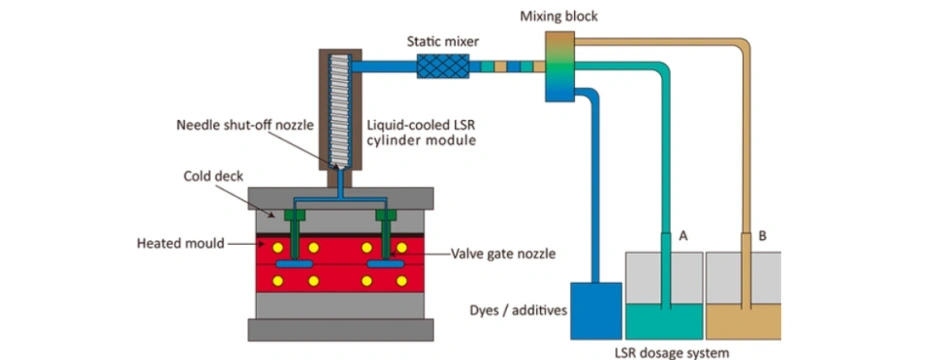
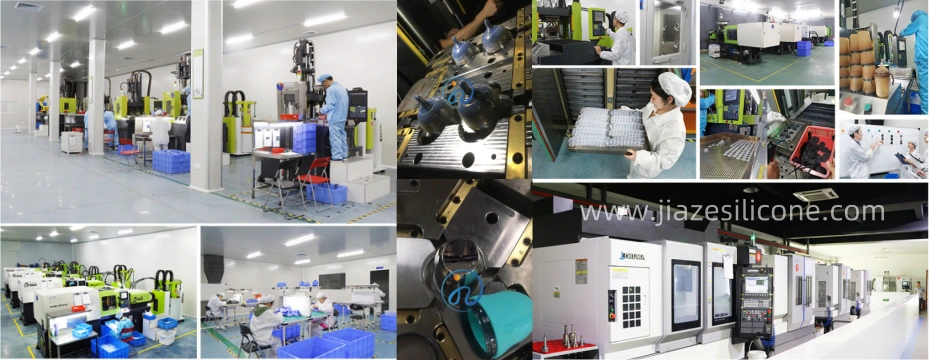
Consumer LSR parts are mainly produced through Liquid Silicone Rubber Injection Molding.
Material Metering
Two-component silicone materials are stored separately and pumped into a mixing system.
Precise ratio control ensures consistent curing performance.
Mixing and Injection
After mixing:
- Pigments may be added.
- Material is injected into heated molds.
Cold runner systems are often used to minimize waste.
Vulcanization (Curing)
Heat activates platinum catalysts.
Typical mold temperature: 150°C — 200°C.
Curing time varies from seconds to minutes depending on thickness.
Automatic Demolding
Modern consumer LSR production uses:
- Robots
- Vacuum pickers
Automation improves cleanliness and reduces contamination.
Secondary Processing
Optional processes include:
- Flash trimming
- Surface coating
- Laser marking
- Assembly integration
These finishing steps enhance product quality.
Common Applications of Consumer LSR Parts
Baby Care Products
Examples include:
- Bottle nipples
- Pacifiers
- Teething toys
Reasons for use:
- Odorless material
- High tear strength
- Easy sterilization.
Kitchenware and Food Contact Products
Popular items:
- Baking molds
- Cooking spatulas
- Ice trays
- Sealing gaskets
Heat resistance and non-stick performance are major advantages.
Wearable Electronics
Modern electronics rely heavily on LSR.
Applications:
- Watch straps
- Earbud tips
- Waterproof seals.
Comfort and skin compatibility are essential.
Personal Care Devices
Beauty and hygiene products benefit from silicone softness.
Examples:
- Facial cleansing brushes
- Electric toothbrush heads
- Massage devices.
Smart Home and Lifestyle Products
LSR components improve durability and appearance.
Examples:
- Protective covers
- Waterproof buttons
- Anti-slip pads.
Advantages of Using LSR for Consumer Products
High Volume Automation
LSR injection molding supports:
- Multi-cavity molds.
- 24-hour automated production.
This lowers labor costs.
Consistent Quality
Computer-controlled mixing ensures:
- Stable curing.
- Minimal defects.
Ideal for global brands demanding uniform quality.
Reduced Waste
Cold runner molds reuse unused material.
Lower material waste equals lower production cost.
Overmolding Capability
LSR bonds well with:
- Plastic substrates.
- Metal inserts.
This allows hybrid products combining rigid and soft materials.
How to Choose a Consumer LSR Manufacturing Partner
When sourcing suppliers, buyers should evaluate:
Engineering Support
Can the manufacturer assist:
- Design optimization?
- Mold flow analysis?
Early collaboration reduces risk.
Automation Capability
Look for:
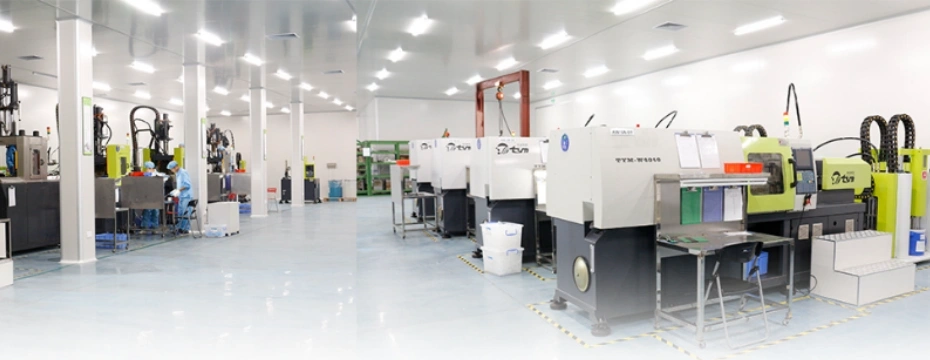
- Robotic demolding.
- Clean production environments.
Automation improves consistency.
Experience With Consumer Products
Manufacturers familiar with:
- baby products,
- electronics,
- kitchenware,
better understand certification requirements.
Quality Control System
Important systems include:
- Incoming material inspection.
- Process monitoring.
- Final appearance inspection.
Conclusion
Consumer liquid silicone rubber parts represent a modern solution for safe, durable, and premium-quality everyday products. Combining advanced injection molding technology with exceptional material properties, LSR enables manufacturers to produce comfortable, attractive, and highly reliable consumer goods at scale.
From baby care and kitchenware to wearable electronics and smart lifestyle devices, LSR continues transforming consumer product engineering.
For buyers and product designers, understanding the manufacturing process, design considerations, and supplier capabilities is essential to achieving successful product launches and long-term market competitiveness.