Food-grade LSR injection molding is a specialized manufacturing process used to produce food-safe silicone rubber components using liquid silicone rubber (LSR) materials that comply with strict health and safety standards. These silicone parts are widely used in baby feeding products, kitchen utensils, food processing equipment, and consumer goods that come into direct contact with food.
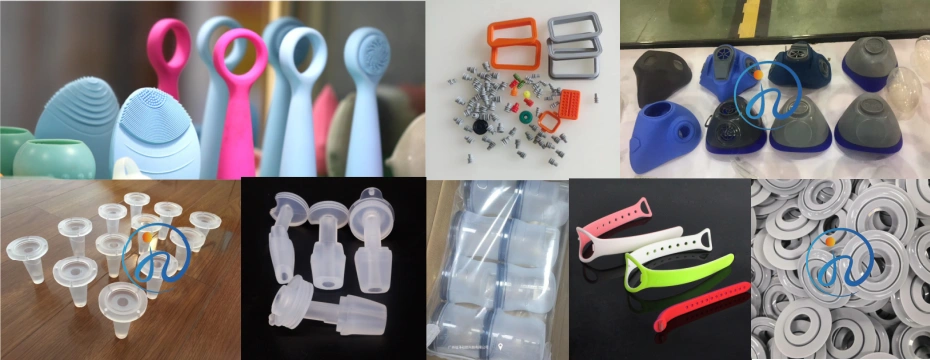
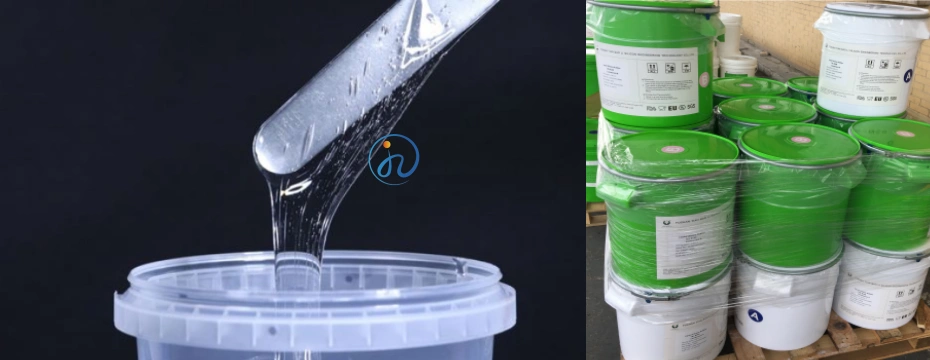
Liquid Silicone Rubber is a two-component platinum-cured elastomer known for its purity, flexibility, and resistance to extreme temperatures. When processed using injection molding technology, LSR can be molded into complex shapes with high precision and consistent quality.
Because food safety is critical, food-grade LSR materials must meet regulatory standards such as FDA (U.S. Food and Drug Administration), LFGB (Germany), or EU food contact regulations.
Understanding Food-Grade Liquid Silicone Rubber (LSR)
Food-grade liquid silicone rubber is a high-purity silicone elastomer designed for food contact applications. Compared with standard silicone rubber, food-grade LSR is manufactured using non-toxic raw materials and platinum curing systems to eliminate harmful by-products.
Key Characteristics of Food-Grade LSR
Food-grade LSR materials offer several important properties that make them ideal for food-contact products:
1. Non-Toxic and Safe
Food-grade LSR does not release harmful chemicals or odors, making it safe for food preparation and storage.
2. Excellent Temperature Resistance
It can withstand temperatures from −50°C to 200°C, which makes it suitable for cooking tools and baby feeding accessories.
3. High Flexibility and Durability
The material maintains elasticity even after repeated use, sterilization, or bending.
4. Chemical and Water Resistance
Food-grade silicone is resistant to oils, water, and many cleaning agents.
5. Long Service Life
Unlike plastics that degrade over time, silicone rubber maintains performance for many years.
Because of these features, food-grade LSR injection molding has become the preferred process for many food-contact products.
How Food-Grade LSR Injection Molding Works
Food-grade LSR injection molding is a highly automated manufacturing process designed to produce precision silicone parts efficiently and consistently.
The process typically involves the following steps.
1. Material Preparation
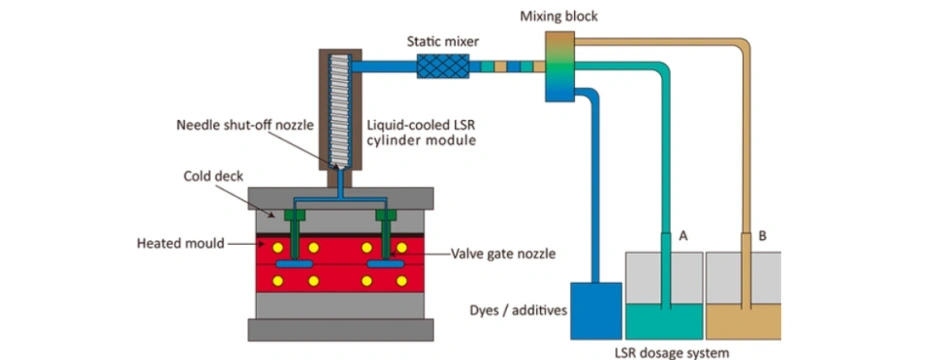
Liquid silicone rubber is supplied as two separate components (Part A and Part B). These components are stored in sealed containers and mixed in a 1:1 ratio using a precision pumping system.
Pigments or additives may also be added during this stage if the product requires specific colors or performance properties.
2. Injection into the Mold
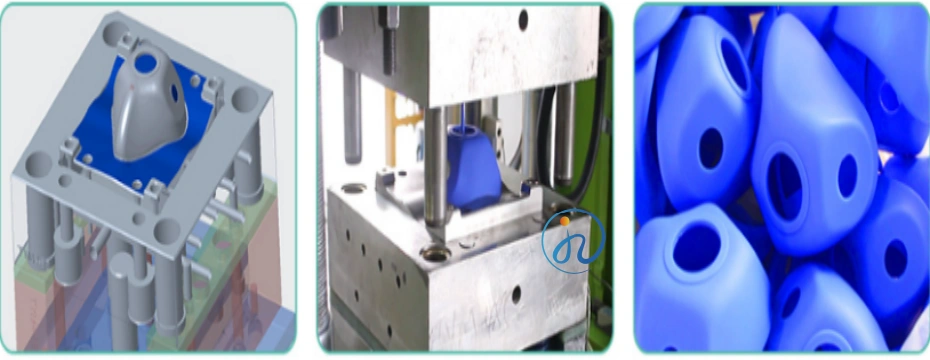
After mixing, the liquid silicone is injected into a heated steel mold cavity through a cold runner system. The injection process is carefully controlled to ensure uniform filling and prevent air bubbles.
3. Heat Curing
Inside the mold, the material undergoes platinum-catalyzed crosslinking at high temperatures, typically around 160°C to 200°C. This curing process transforms the liquid silicone into a solid elastic component.
4. Demolding
Once the curing cycle is completed, the mold opens and the finished silicone parts are removed either manually or with automated robotic systems.
5. Post-Processing
Depending on product requirements, additional processes may include:
- Flash trimming
- Secondary curing (post-bake)
- Surface finishing
- Quality inspection
These steps ensure that the final products meet food safety and dimensional requirements.
Certifications and Standards for Food-Grade Silicone
For silicone products used in food applications, compliance with international regulations is essential.
FDA Food Contact Compliance
The FDA 21 CFR 177.2600 standard regulates rubber articles intended for repeated use in food contact applications. Materials meeting this requirement are accepting in the United States.
LFGB Certification
LFGB is a German food safety standard that is considering one of the strictest food contact regulations in the world. Silicone products that pass LFGB testing are suitable for European markets.
EU Food Contact Regulations
European Union regulations ensure that materials in contact with food do not transfer harmful substances to food products.
Manufacturers producing food-grade LSR components must maintain strict quality control and traceability systems to meet these standards.
Advantages of Food-Grade LSR Injection Molding
Compared with traditional rubber molding or plastic manufacturing methods, food-grade LSR injection molding offers several advantages.
High Precision Manufacturing
Injection molding allows manufacturers to produce parts with tight tolerances and complex geometries, which is difficult with compression molding.
High Production Efficiency
LSR injection molding is highly automating, enabling fast cycle times and high-volume production.
Reduced Material Waste
Cold runner systems minimize silicone waste during molding.
Consistent Quality
Automated mixing and injection ensure stable product performance and repeatability.
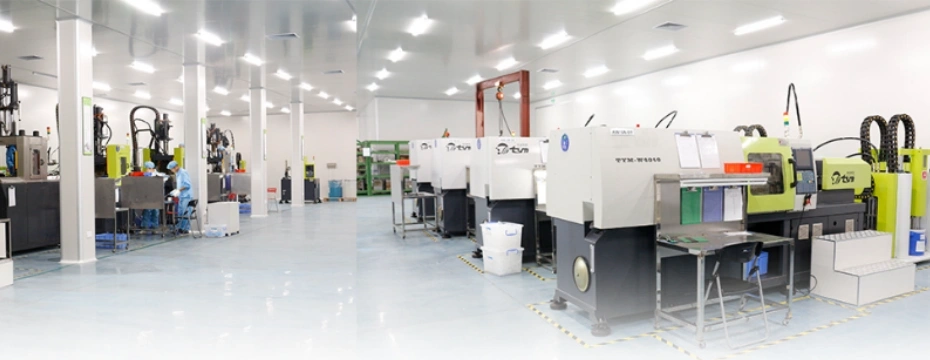
Suitable for Cleanroom Manufacturing
Food-grade silicone components can be producing in cleanroom environments to prevent contamination.
These advantages make the process ideal for large-scale food-contact product manufacturing.
Common Applications of Food-Grade LSR Injection Molding
Food-grade LSR injection molding is using in many industries that require safe and durable materials.
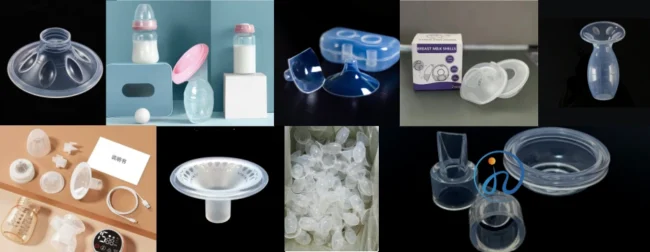
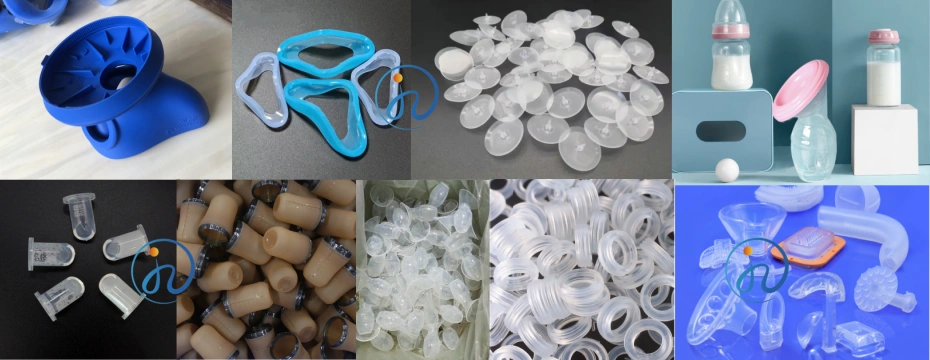
Baby Feeding Products
Silicone is one of the most common materials using in baby products because of its safety and softness.
Typical products include:
- Baby bottle nipples
- Pacifiers
- Baby spoons
- Teething toys
Kitchen and Cooking Tools
Many kitchen tools are manufacturing using food-grade silicone because it is heat-resistant and flexible.
Examples include:
- Baking molds
- Spatulas
- Cooking utensils
- Silicone baking mats
Food Processing Equipment
Industrial food equipment also uses silicone parts to ensure hygiene and durability.
Examples include:
- Sealing gaskets
- O-rings
- Valves
- Tubing
Consumer Food Storage Products
- Collapsible food containers
- Silicone lids
- Ice cube trays
Because of its safety and durability, food-grade LSR injection molding continues to expand in consumer and industrial markets.
Choosing a Reliable Food-Grade LSR Injection Molding Manufacturer
Selecting the right manufacturing partner is essential for producing high-quality food-safe silicone products.
When evaluating suppliers, consider the following factors:
Manufacturing Experience
Choose a manufacturer with extensive experience in LSR injection molding technology.
Certification and Quality Systems
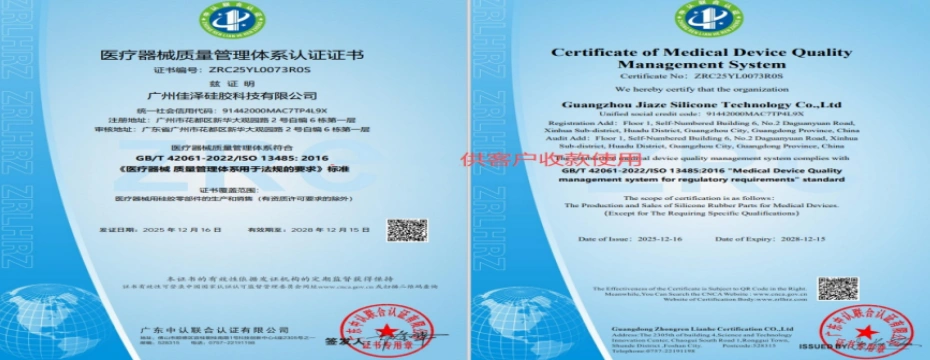
Ensure the factory follows ISO quality management systems and food-contact compliance standards.
Engineering Support
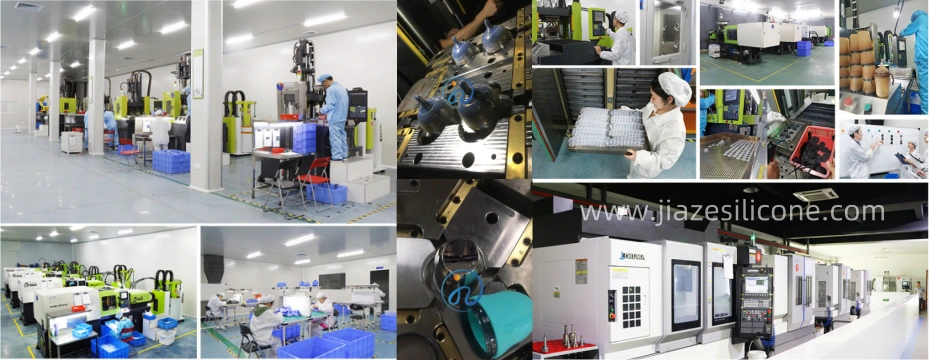
An experienced engineering team can assist with DFM analysis, mold design, and prototyping.
Production Capacity
A reliable supplier should be able to support both small batch production and large-scale manufacturing.
Partnering with the right manufacturer ensures product safety, consistent quality, and efficient production.
Conclusion
Food-grade LSR injection molding is an advanced manufacturing technology used to produce safe, durable, and high-precision silicone components for food contact applications.
By combining the benefits of liquid silicone rubber materials and automated injection molding processes, manufacturers can produce high-quality parts for industries such as baby products, kitchenware, food equipment, and consumer goods.
With strict compliance to international food safety standards and continuous advancements in silicone materials, food-grade LSR injection molding has become a reliable solution for modern food-contact product manufacturing.
For companies developing innovative food-safe products, partnering with an experienced LSR injection molding manufacturer is the key to transforming product ideas into reliable mass production.