Liquid Silicone Rubber (LSR) has become one of the most important materials used in modern product development. Thanks to its outstanding flexibility, heat resistance, and biocompatibility, LSR is widely used in industries such as medical devices, baby products, automotive components, and consumer electronics.
The process used to produce these components is known as LSR part manufacturing. This manufacturing method involves specialized equipment, precision molds, and advanced engineering processes designed to convert liquid silicone into high-performance parts.
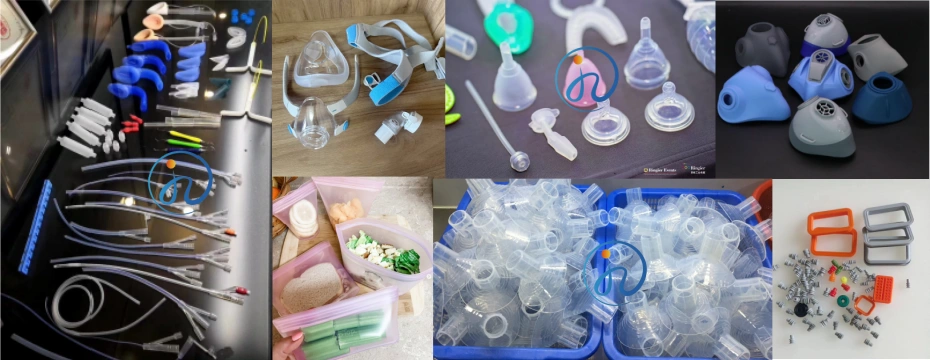
In this guide, we will explore what LSR part manufacturing is, how it works, and why it is widely adopted in modern industrial production.
Understanding LSR Part Manufacturing
LSR part manufacturing refers to the production of silicone components using liquid silicone rubber through injection molding technology.
Unlike traditional solid silicone rubber, LSR is supplied as a two-part liquid material. These two components are mixed and injected into a heated mold where they chemically cure to form a flexible silicone part.
The entire process is highly automated and capable of producing complex, high-precision components with excellent consistency.
LSR manufacturing offers several advantages:
- High precision and tight tolerances
- Excellent material durability
- High temperature resistance
- Chemical resistance
- Biocompatibility for medical use
- Suitability for high-volume production
These characteristics make LSR an ideal material for modern engineering applications.
Key Characteristics of Liquid Silicone Rubber
Before understanding the manufacturing process, it is important to know why LSR is such a popular material.
Excellent Temperature Resistance
LSR can maintain its performance in extreme temperatures, typically ranging from −50°C to 200°C or even higher.
This makes it suitable for applications exposed to harsh environments, such as automotive engines and industrial machinery.
Outstanding Flexibility
Silicone parts remain soft and elastic even after long-term use. This flexibility allows them to function effectively as:
- Seals
- Gaskets
- Membranes
- Protective covers
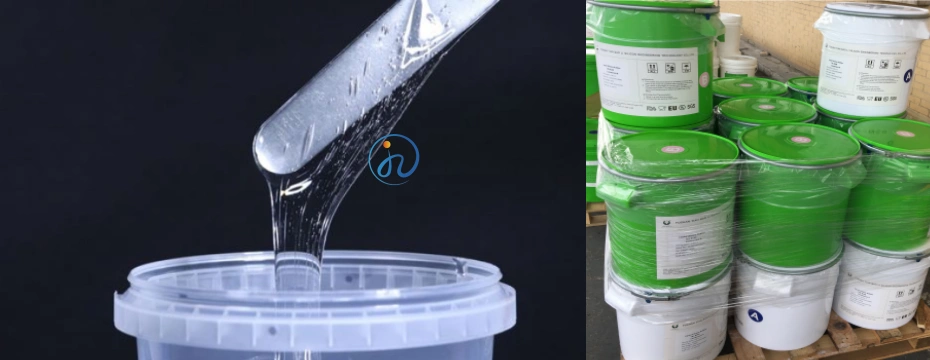
Biocompatibility and Safety
Medical-grade LSR materials comply with strict standards such as:
- ISO 10993
- USP Class VI
- FDA regulations
Because of this, LSR is widely used in medical implants, respiratory equipment, and baby feeding products.
Long-Term Durability
Silicone components are resistant to:
- UV radiation
- ozone exposure
- aging
- chemicals
These properties make LSR products highly reliable in long-term applications.
The LSR Part Manufacturing Process
Producing liquid silicone rubber parts requires several precise steps. Each stage plays a critical role in ensuring product quality and consistency.
1. Product Design and Engineering
The first stage in LSR part manufacturing is product design and engineering analysis.
During this phase, engineers evaluate the product structure to ensure it is suitable for silicone injection molding.
Key design considerations include:
- wall thickness optimization
- parting line design
- draft angles for demolding
- gate placement
- venting structure
Design for Manufacturing (DFM) analysis helps reduce production risks and ensures the final product can be manufactured efficiently.
Early collaboration between product designers and LSR manufacturers significantly improves development success.
2. LSR Material Selection
Choosing the right silicone material is essential in LSR manufacturing. Different applications require different silicone properties. Common types of LSR materials include:
Medical Grade LSR
Medical silicone is used for:
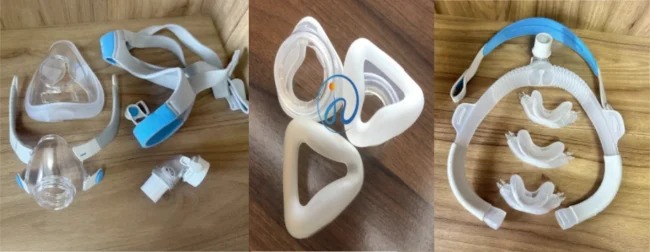
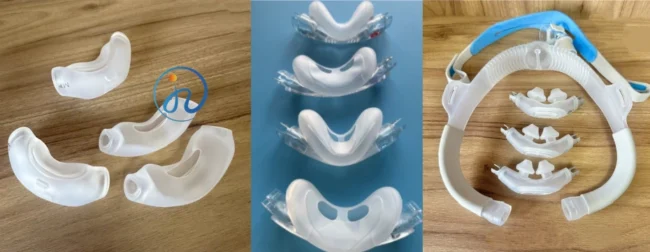
- respiratory masks
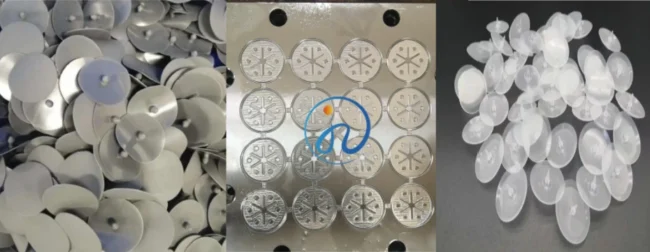
- medical valves
- catheter components
- healthcare device parts
These materials must meet strict biocompatibility standards.
Food Grade LSR
Food-grade silicone is commonly used in consumer products such as:
- baby bottle nipples
- pacifiers
- feeding accessories
- kitchen utensils
This type of silicone complies with FDA and LFGB food safety standards.
Industrial Grade LSR
Industrial silicone materials are used in demanding environments such as:
- automotive seals
- electronic connectors
- waterproof gaskets
- mechanical insulation components
3. LSR Mold Design and Tooling
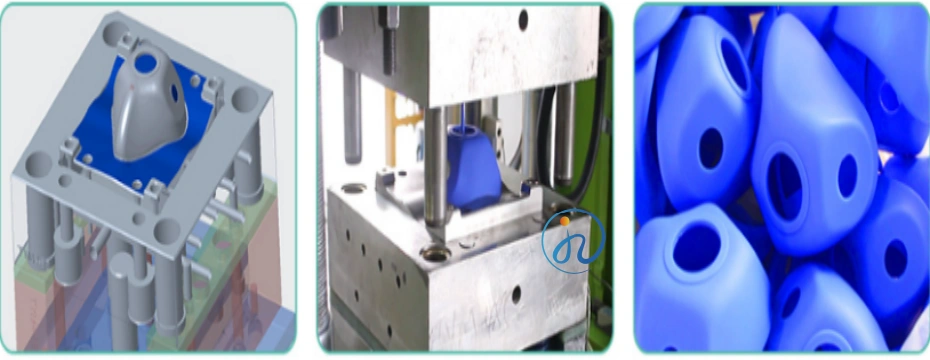
Once the product design is finalized, the next step is creating a precision mold for injection molding.
LSR mold design is more complex than thermoplastic molds due to the unique properties of liquid silicone.
Key mold features include:
Cold Runner System
Most LSR molds use a cold runner system to control material flow and reduce waste during production.
High Precision Cavities
The mold cavities determine the shape and accuracy of the silicone parts.
High-quality molds ensure:
- stable product dimensions
- smooth surfaces
- minimal flash
Vacuum Mold Technology
Air trapped inside the mold cavity can cause defects. Vacuum systems remove air before injection, preventing:
- bubbles
- short shots
- incomplete filling
Advanced mold design is essential for achieving high-quality LSR products.
4. Liquid Silicone Rubber Injection Molding
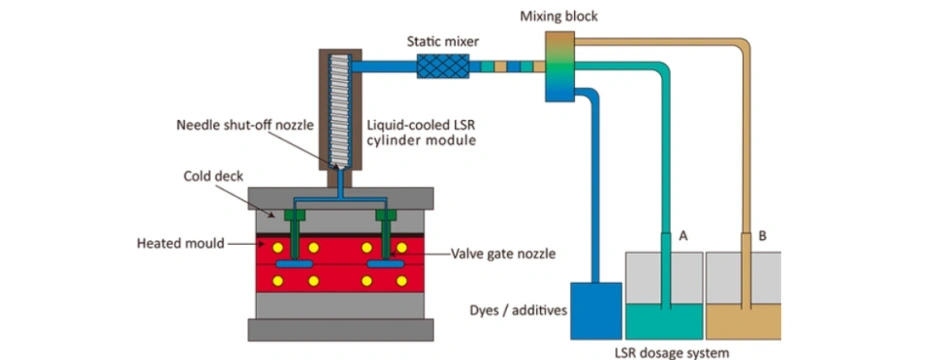
After mold manufacturing is completed, production begins using LSR injection molding machines.
The process includes several stages.
Material Metering and Mixing
Liquid silicone rubber consists of two components (Part A and Part B). A metering system accurately mixes these materials at a 1:1 ratio before injection.
Injection Into the Mold
The mixed silicone is injected into the mold cavity under pressure. Typical process parameters include:
- injection pressure: 100–200 bar
- mold temperature: 160–200°C
- curing time: 20–60 seconds
Curing Process
Inside the heated mold, the silicone undergoes platinum-catalyzed curing, transforming from liquid to solid elastomer. This curing reaction creates a durable and flexible silicone part.
Automated Demolding
After curing, the finished parts are removed automatically using:
- robotic arms
- air ejection systems
- automated demolding equipment
Automation improves production efficiency and consistency.
5. Secondary Processing
Some silicone parts require additional finishing processes after molding. Common secondary operations include:
- trimming or deflashing
- laser marking
- printing
- bonding with plastic components
- assembling multiple parts
For medical and baby products, these processes may take place in cleanroom environments to maintain strict hygiene standards.
6. Quality Inspection and Testing
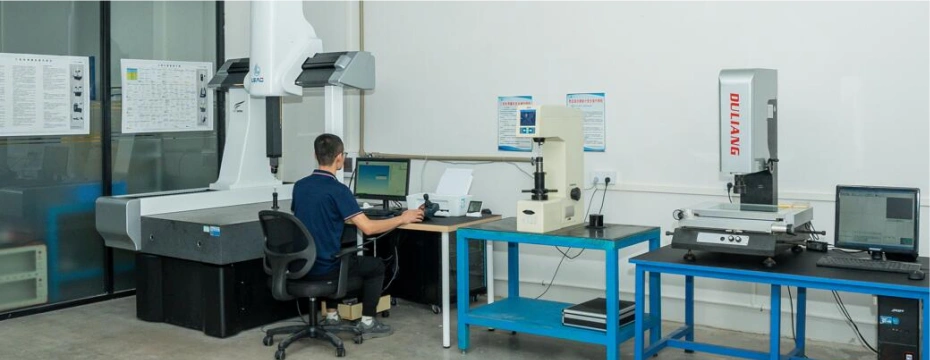
Quality control is a critical step in LSR part manufacturing. Manufacturers perform multiple inspections to ensure products meet specifications.
Dimensional Inspection
Precision measuring equipment verifies product dimensions and tolerances. Tools may include:
- optical measurement systems
- coordinate measuring machines (CMM)
Mechanical Testing
Silicone materials are tested for properties such as:
- hardness
- tensile strength
- elongation
Functional Testing
Finished parts are evaluated for performance characteristics including:
- sealing ability
- durability
- heat resistance
- chemical resistance
Manufacturers may operate under certified quality systems such as:
- ISO 9001
- ISO 13485 (medical manufacturing)
Applications of LSR Manufactured Parts
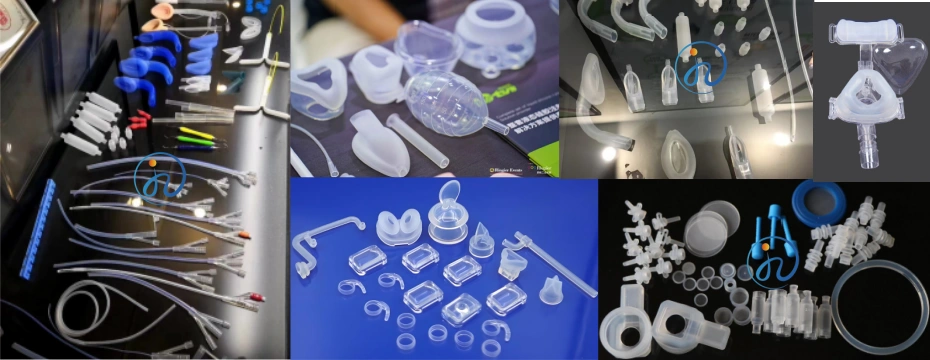
LSR manufacturing serves a wide range of industries due to silicone’s unique material advantages.
Medical Devices
Examples of LSR medical components include:
- respiratory masks
- medical valves
- syringe seals
- surgical device components
The material’s biocompatibility makes it ideal for healthcare applications.
Baby Care Products
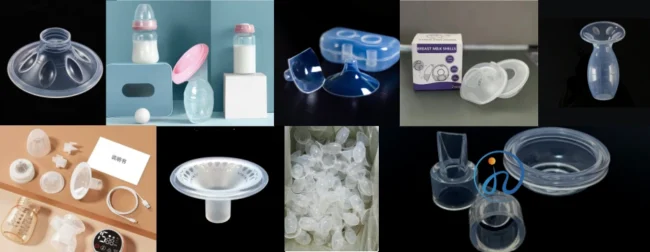
LSR is widely used in baby products because it is safe, soft, and durable. Common products include:
- baby bottle nipples
- pacifiers
- feeding valves
- teething toys
These products must comply with strict safety regulations.
Consumer Electronics
Electronics manufacturers use silicone for:
- waterproof seals
- wearable device parts
- flexible connectors
- protective covers
LSR helps improve product durability and environmental resistance.
Automotive Components
Automotive applications include:
- engine gaskets
- vibration dampers
- connector seals
- sensor housings
Silicone’s heat resistance and chemical stability make it ideal for these environments.
Conclusion
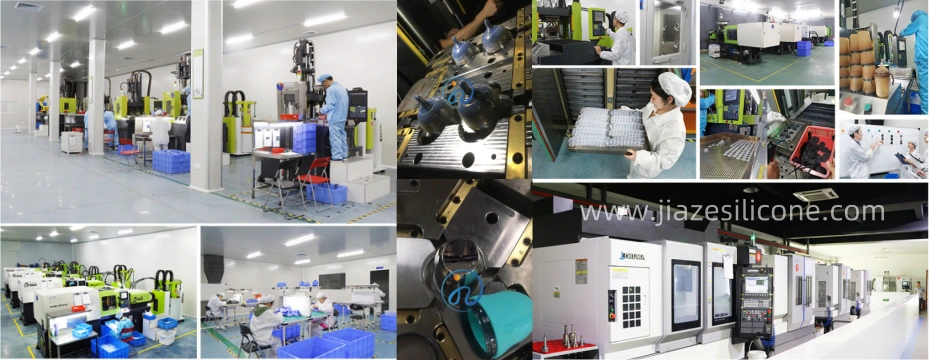
LSR part manufacturing is a specialized production process that transforms liquid silicone rubber into high-performance components through precision injection molding.
The process involves multiple stages, including product design, material selection, mold development, injection molding, and strict quality inspection.
Thanks to its flexibility, durability, and safety, LSR is widely used in industries such as medical devices, baby care products, automotive components, and consumer electronics.
As manufacturing technologies continue to advance, LSR manufacturing will play an increasingly important role in developing innovative and reliable products for global markets.