Medical technology continues to evolve rapidly, and advanced materials play a critical role in the development of safe, reliable, and high-performance medical devices. Among these materials, medical liquid silicone rubber (LSR) has become one of the most widely used elastomers in the healthcare industry.
A medical liquid silicone rubber part refers to a component manufactured from medical-grade LSR through precision molding processes such as liquid injection molding. These parts are commonly used in medical devices that require excellent biocompatibility, flexibility, durability, and resistance to extreme conditions.
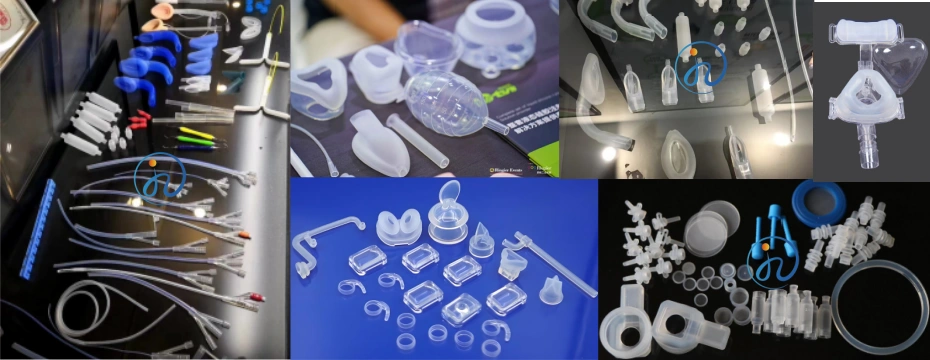
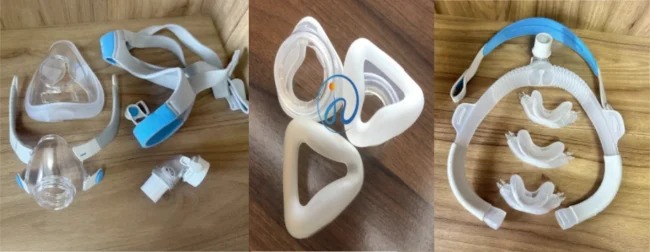
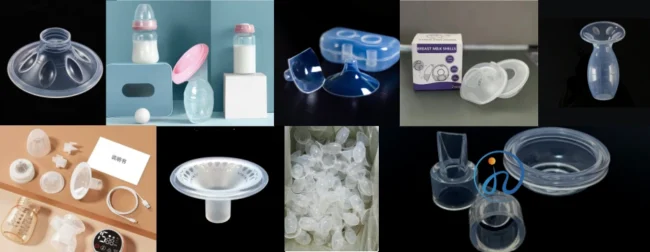
Medical LSR components can be found in a wide range of healthcare products, including surgical instruments, respiratory masks, medical seals, implantable components, and diagnostic equipment. Because of their unique material properties and manufacturing precision, medical liquid silicone rubber parts help improve both the safety and functionality of modern medical devices.
What Is Medical Liquid Silicone Rubber (LSR)?
Medical liquid silicone rubber is a two-component platinum-cured silicone elastomer specifically formulated for medical applications.
Medical LSR materials typically comply with standards such as:
- FDA regulations for medical-grade materials
- ISO 10993 biocompatibility testing
- USP Class VI certification
These certifications ensure that the material is safe for skin contact, medical devices, and sometimes even implantable applications.
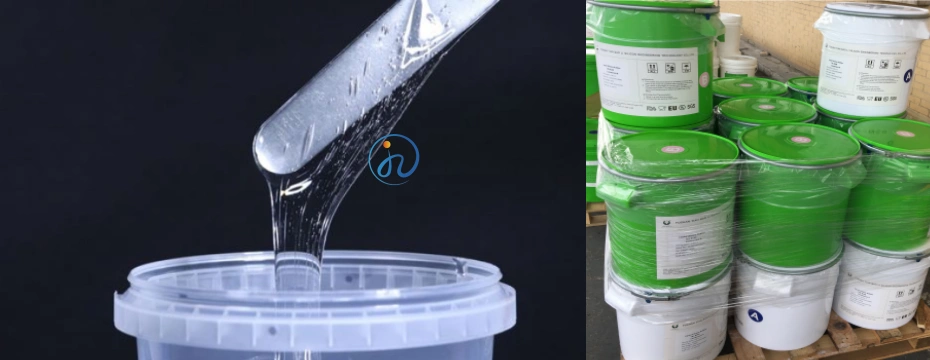
Medical liquid silicone rubber is supplied as two liquid components:
- Part A: Base silicone polymer
- Part B: Catalyst or curing agent
These two components are mixed in equal ratios and injected into a mold where they cure under heat to form flexible rubber parts.
Key Properties of Medical Liquid Silicone Rubber Parts
Medical liquid silicone rubber parts offer a combination of unique physical and chemical properties that make them ideal for medical applications.
Excellent Biocompatibility
One of the most important characteristics of medical LSR is its biocompatibility. The material does not cause harmful reactions when in contact with human tissue or bodily fluids.
This makes it suitable for:
- Skin-contact medical devices
- Respiratory products
- Surgical equipment
- Implantable components in some cases
High Temperature Resistance
Medical liquid silicone rubber can withstand extremely high temperatures, typically ranging from -50°C to over 200°C.
This property allows medical devices made from LSR to undergo repeated sterilization processes, including:
- Steam autoclave sterilization
- Gamma radiation
- Ethylene oxide (EtO) sterilization
The material maintains its mechanical properties even after multiple sterilization cycles.
Excellent Flexibility and Elasticity
Medical LSR components are known for their soft and flexible structure. Even after long-term use, the material maintains excellent elasticity without cracking or deformation.
This flexibility is particularly useful in medical devices such as:
- Catheter components
- Respiratory masks
- Sealing gaskets
- Medical tubing connectors
Chemical and Environmental Resistance
Medical silicone rubber is resistant to many chemicals, oils, and environmental conditions. It does not easily degrade when exposed to:
- Body fluids
- Disinfectants
- UV radiation
- Ozone
This durability ensures long-term reliability in demanding medical environments.
How To Manufacture Medical Liquid Silicone Rubber Parts ?
The production of medical liquid silicone rubber parts requires high precision manufacturing processes and strict quality control systems.
The most common method used is Liquid Silicone Rubber Injection Molding (LSR Injection Molding).
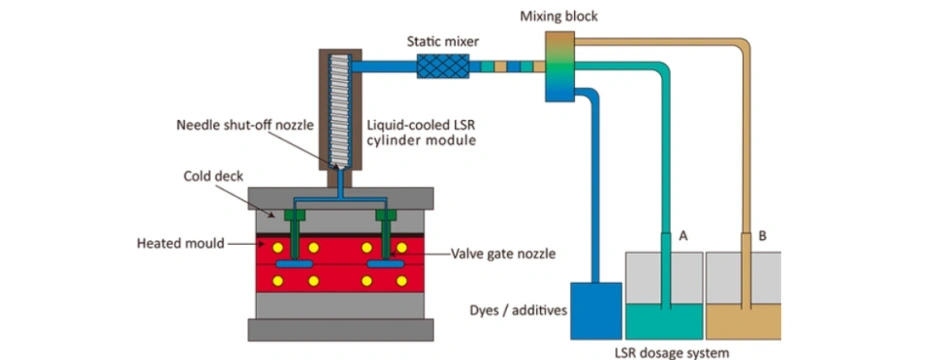
Material Metering and Mixing
Medical LSR is supplied in two liquid components stored in separate containers. During production, a metering system accurately mixes the two components in a 1:1 ratio.
Additional materials such as pigments or additives may be introduced depending on product requirements.
Accurate mixing ensures consistent curing and stable product quality.
Injection Molding Process
After mixing, the liquid silicone is injected into a precision mold cavity using an LSR injection molding machine.
Key process steps include:
- Material injection into the heated mold
- Filling of the mold cavity
- Air venting through micro vents
- Controlled pressure and temperature regulation
Because LSR has excellent flow properties, it can fill very complex geometries and thin-wall structures.
Vulcanization and Curing
Once inside the mold, the silicone material undergoes platinum-catalyzed curing at elevated temperatures.
Typical curing conditions include:
- Mold temperature: 150°C to 200°C
- Short curing cycles for high production efficiency
This curing process transforms the liquid silicone into solid elastic rubber.
Demolding and Post Processing
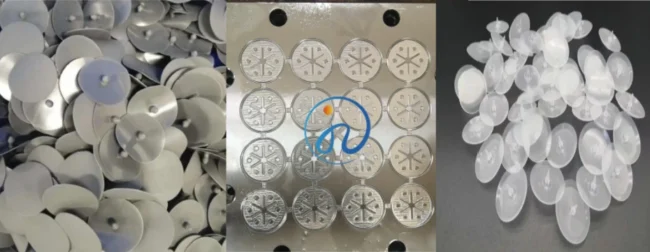
After curing, the mold opens and the finished medical LSR parts are removed.
- Automated robotic systems
- Vacuum pick-and-place equipment
- Manual removal for specialized parts
Post-processing steps may include:
- Flash trimming
- Surface cleaning
- Assembly with other components
- Sterilization preparation
For medical applications, the entire production environment may be performed in cleanroom conditions to prevent contamination.
Applications of Medical Liquid Silicone Rubber Parts
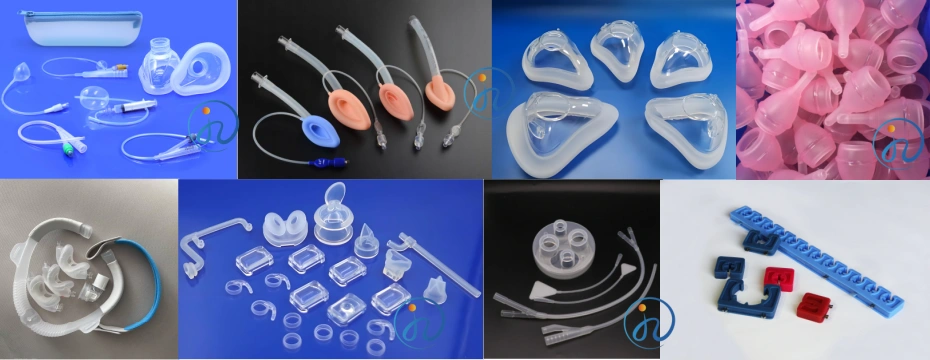
Medical liquid silicone rubber parts are used in a wide variety of healthcare products.
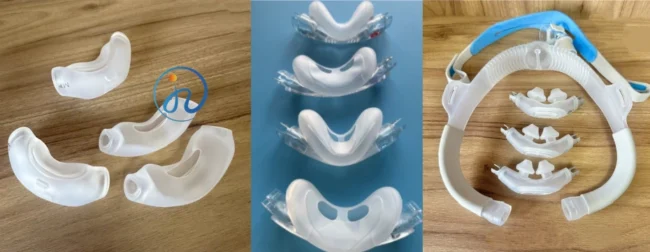
Respiratory Devices
- Oxygen masks
- CPAP masks
- Respirator seals
The soft and flexible nature of silicone ensures comfort while maintaining airtight sealing performance.
Surgical and Diagnostic Equipment
- Surgical instrument seals
- Medical pump diaphragms
- Diagnostic device components
These parts must perform reliably under demanding medical conditions.
Advantages of Using Medical LSR Parts in Medical Devices
Medical liquid silicone rubber parts provide several advantages compared with other materials.
Superior Safety
Medical LSR meets strict regulatory standards and offers reliable biocompatibility.
High Precision Manufacturing
Liquid injection molding allows for complex part geometries and tight tolerances, which are critical for medical devices.
Long Service Life
Silicone rubber maintains its performance even under harsh conditions such as high temperatures and repeated sterilization.
Excellent User Comfort
The soft and flexible nature of silicone improves comfort for products that come into contact with the human body.
Quality Control for Medical LSR Manufacturing
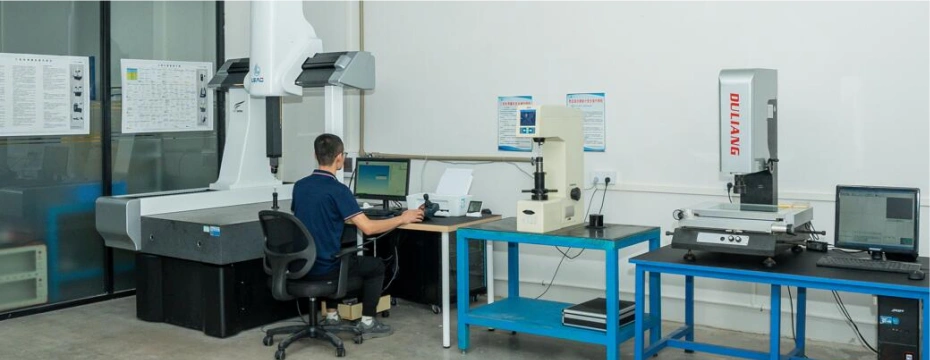
Manufacturing medical silicone components requires rigorous quality management.
Typical quality control procedures include:
- Raw material certification verification
- Dimensional inspection using precision measurement tools
- Surface and appearance inspection
- Mechanical performance testing
- Biocompatibility verification
Many manufacturers also operate under quality systems such as:
- ISO 13485 medical device certification
- GMP production standards
These systems ensure that medical LSR parts meet the highest industry requirements.
Conclusion
Medical liquid silicone rubber parts play a crucial role in modern healthcare technology. Thanks to their excellent biocompatibility, flexibility, durability, and resistance to harsh environments, these components are using in medical devices ranging from respiratory equipment to surgical instruments.
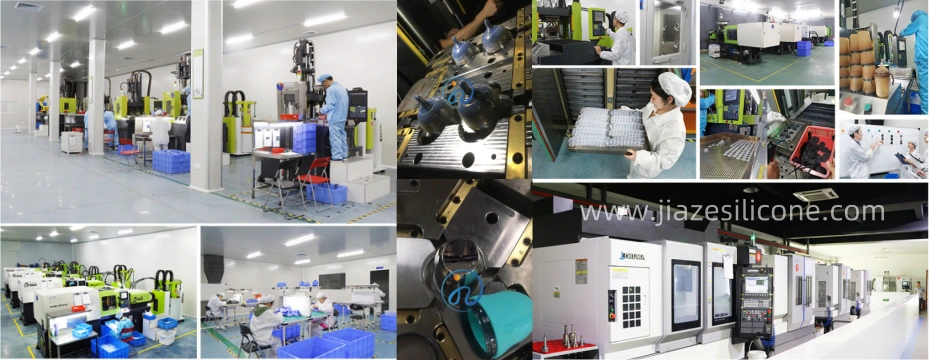
Through advanced manufacturing processes such as LSR injection molding, manufacturers can produce high-precision silicone parts that meet strict medical industry standards.
As demand for safer and more advanced medical devices continues to grow, medical liquid silicone rubber parts will remain an essential material solution for the healthcare industry.