In modern medical manufacturing, product performance, patient safety, and device reliability are critical. One of the most advanced production techniques used to meet these requirements is over-molding medical devices with Liquid Silicone Rubber (LSR).
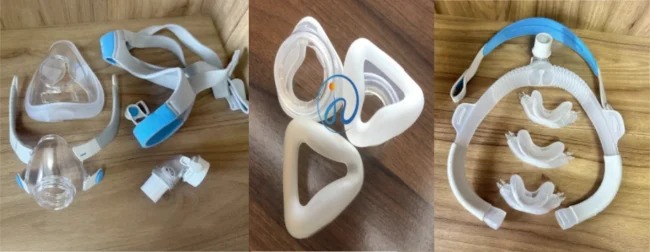
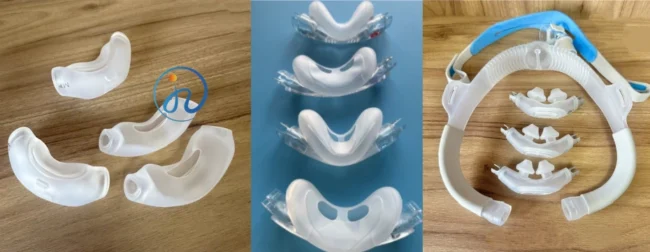
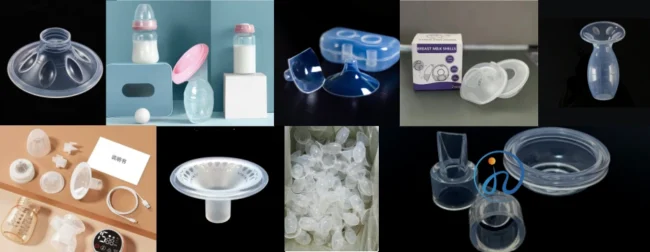
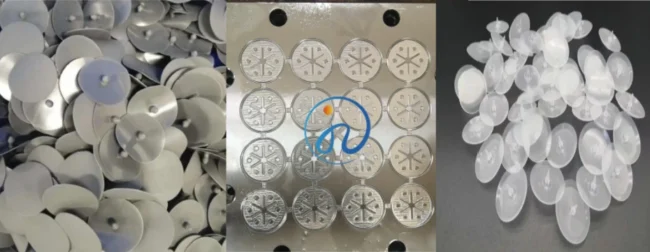
LSR over-molding allows manufacturers to combine silicone with other materials such as plastics or metals to create medical components with enhanced functionality, improved comfort, and superior sealing performance. This technology is widely used in devices like respiratory masks, surgical instruments, wearable medical equipment, and diagnostic components.
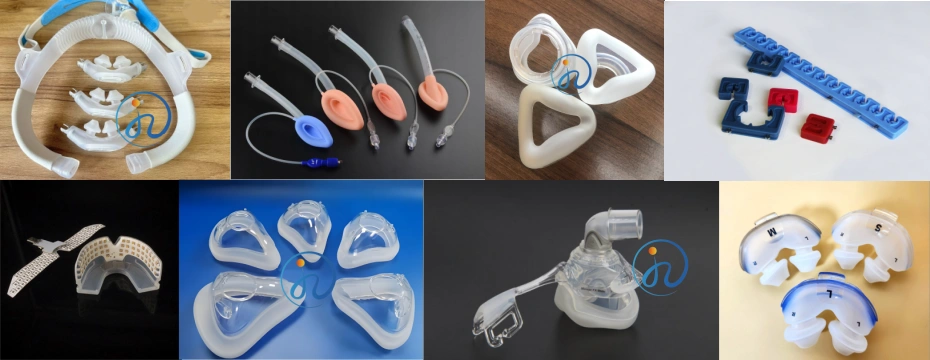
This article explores what LSR over-molding is, how the process works, its advantages, design considerations, and common medical applications.
Understanding LSR Over-Molding in Medical Device Manufacturing
LSR over-molding is a manufacturing process where liquid silicone rubber is molded over an existing substrate, such as a plastic or metal component, to form a single integrated product.
The substrate is first manufactured using another process (such as plastic injection molding or CNC machining). It is then placed into a mold where liquid silicone is injected around or onto it. After curing, the silicone bonds with the substrate to create a unified component.
The process offers several advantages:
- Improved ergonomics and soft-touch surfaces
- Excellent sealing and waterproof performance
- Enhanced chemical and temperature resistance
- Reduced assembly steps and manufacturing costs
Because of these benefits, LSR over-molding has become a preferred method for producing high-precision medical devices and components.
Why LSR Is Ideal for Medical Over-Molding
Liquid Silicone Rubber possesses unique material properties that make it highly suitable for medical device manufacturing.
Biocompatibility
Medical-grade LSR is biocompatible and safe for contact with human tissue, making it ideal for products that interact with skin or internal body environments.
It complies with many international medical standards such as:
- ISO 10993
- USP Class VI
- FDA regulations
Sterilization Resistance
Medical devices often require sterilization before use. LSR maintains its performance after exposure to:
- Autoclave steam sterilization
- Gamma radiation
- Ethylene oxide (ETO)
This durability ensures long-term reliability for medical equipment.
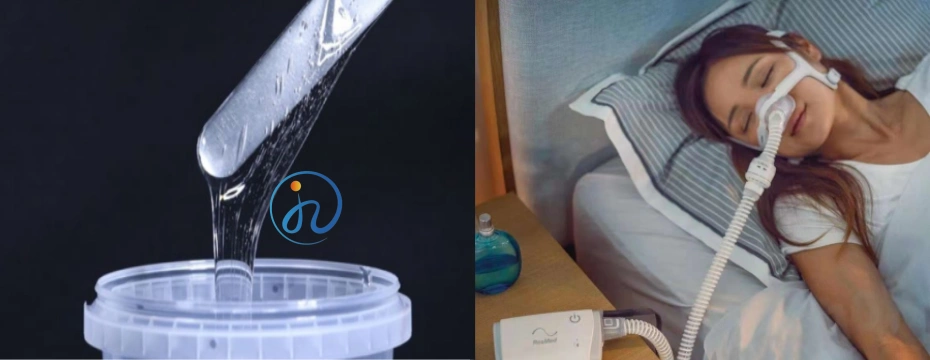
Excellent Flexibility and Softness
LSR offers a soft and flexible texture, which improves comfort for wearable or patient-contact devices such as:
- Medical masks
- Catheter seals
- Respiratory equipment
Temperature and Chemical Resistance
LSR can withstand extreme conditions ranging from −50°C to over 200°C, while also resisting chemicals, UV exposure, and environmental aging.
These characteristics make it highly durable for demanding medical environments.
The LSR Over-Molding Process
The LSR over-molding manufacturing process typically involves several key steps.
1. Substrate Preparation
The first step is producing the base component (substrate). This component can be made from materials such as:
- Polycarbonate (PC)
- Nylon (PA)
- Stainless steel
- Aluminum
- PPSU
Surface treatment may be applied to improve bonding between silicone and the substrate.
2. Mold Design
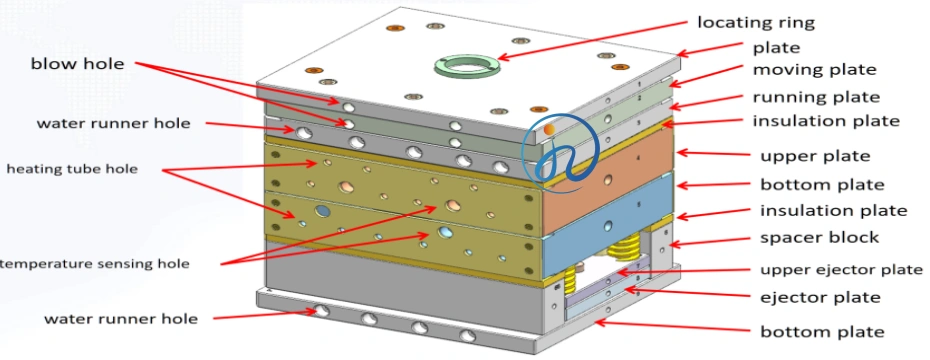
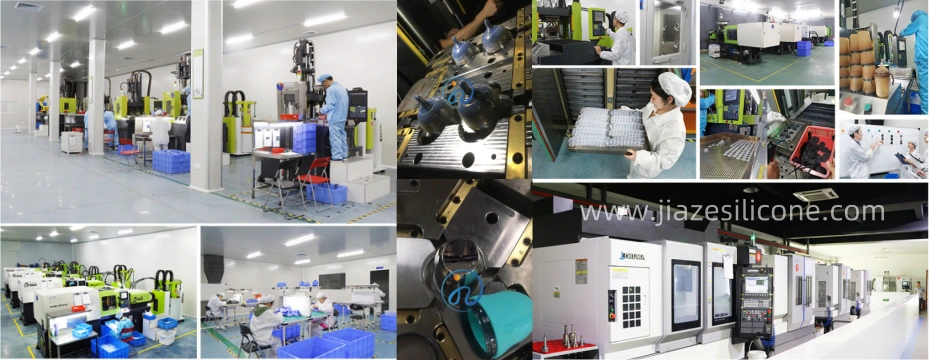
A specialized LSR injection mold is designed to accommodate both the substrate and the silicone injection channels.
Precision mold design is essential to ensure:
- Proper material flow
- Strong bonding
- High dimensional accuracy
3. LSR Injection
Two-component liquid silicone material is mixed and injected into the mold cavity using a Liquid Injection Molding (LIM) system.
The silicone flows around the substrate and fills the required areas.
4. Curing and Bonding
The mold is heated to cure the silicone. During curing, the silicone forms a durable bond with the substrate material.
Depending on the materials used, this bonding can be:
- Mechanical bonding
- Chemical bonding
- Adhesive bonding
5. Demolding and Inspection
After curing, the completed component is removed from the mold. Quality inspection ensures the product meets strict medical manufacturing standards.
Benefits of Over-Molding Medical Devices With LSR
LSR over-molding provides numerous advantages that improve both product design and manufacturing efficiency.
Improved Product Integration:Instead of assembling multiple parts separately, over-molding allows manufacturers to integrate different materials into a single component.
This reduces assembly steps and lowers production costs.
Enhanced Patient Comfort:Soft silicone surfaces improve ergonomics and reduce irritation for devices that contact skin or soft tissue.
Better Sealing Performances: provides excellent waterproof and airtight sealing, which is essential for medical equipment such as ventilators and diagnostic devices.
Increased Product Durability:The combination of rigid substrates and flexible silicone enhances structural strength and long-term reliability.
Reduced Risk of Contamination:Fewer assembly steps mean fewer potential contamination points, which is critical for medical devices.
Common Medical Applications of LSR Over-Molding
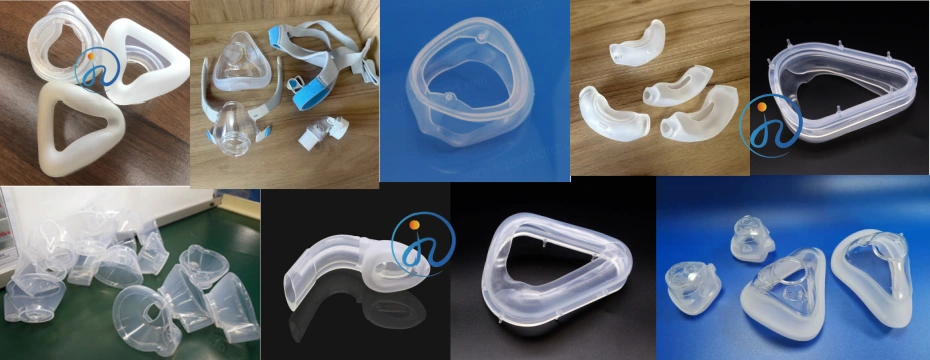
LSR over-molding is used across many medical sectors.
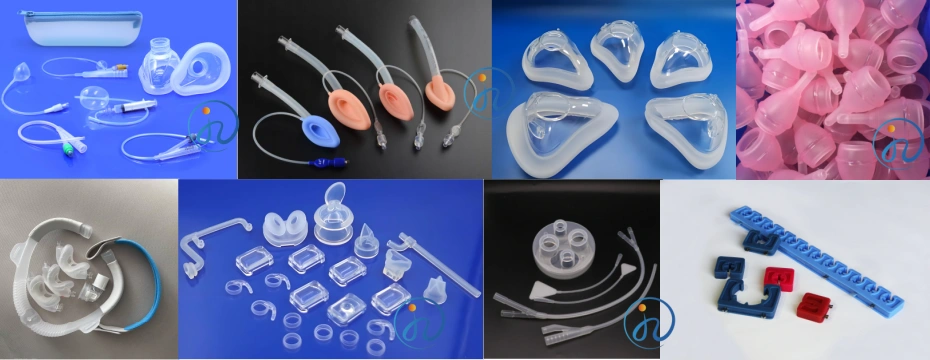
Respiratory Devices
Examples include:
- Silicone respirator masks
- Ventilator components
- Breathing valves
The silicone layer ensures comfort and airtight sealing.
Surgical Instruments
Medical tools often require silicone grips or protective coatings to improve handling and safety.
Wearable Medical Devices
Many wearable devices incorporate silicone over-molding to enhance comfort and skin compatibility.
Examples include:
- Health monitoring devices
- Medical sensors
- Smart medical wearables
Diagnostic Equipment
LSR seals and protective layers are commonly used in diagnostic machines and laboratory equipment.
Key Design Considerations for LSR Over-Molding
Designing components for LSR over-molding requires careful planning.
Material Compatibility
Not all materials bond well with silicone. Selecting compatible substrates is crucial for strong adhesion.
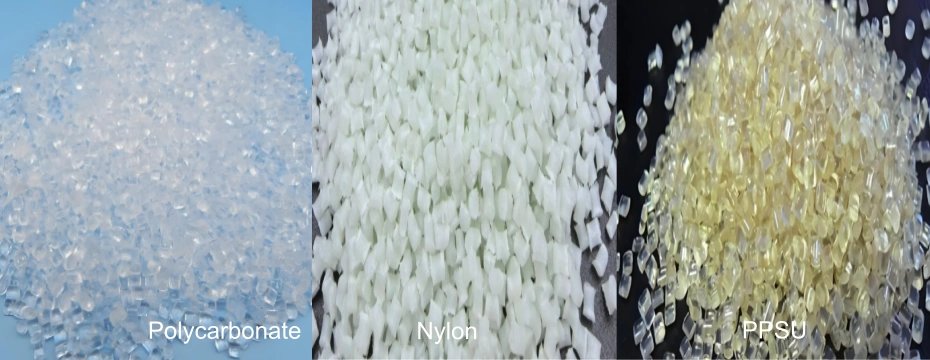
Common compatible materials include:
- Polycarbonate
- PBT
- Nylon
Surface Texture
Surface roughness can improve mechanical bonding between silicone and substrate components.
Mold Precision
High-precision molds are necessary to achieve tight tolerances and ensure consistent product quality.
Venting and Flow Design
Proper venting ensures trapped air can escape during injection, preventing defects such as bubbles or incomplete filling.
Conclusion
Over-molding medical devices with LSR is a powerful manufacturing technique that combines the flexibility and biocompatibility of silicone with the strength of other materials. The result is high-performance medical components that offer improved comfort, durability, and reliability.
From respiratory equipment to wearable health devices, LSR over-molding is helping manufacturers create safer and more advanced medical technologies.
By understanding the process, benefits, and design considerations, product designers and procurement teams can better evaluate whether LSR over-molding is the right solution for their medical device projects.