Continuous Positive Airway Pressure (CPAP) therapy has become the most effective treatment for sleep apnea, and the CPAP nasal pillow sleep silicone mask is one of the most popular interface solutions due to its comfort and minimal design.
For distributors, medical device brands, and procurement managers, understanding the true cost of CPAP silicone masks is essential for budgeting, sourcing, and maximizing profit margins.
In this comprehensive guide, we will break down the cost structure, pricing factors, manufacturing processes, and cost-saving strategies for CPAP nasal pillow silicone masks.
1. What Is a CPAP Nasal Pillow Silicone Mask?
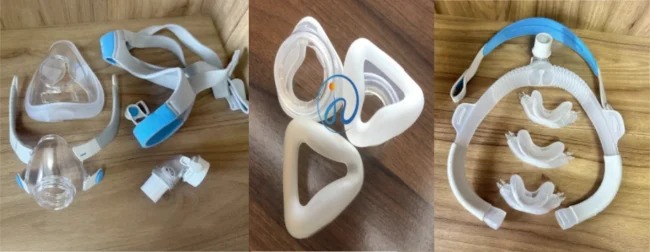
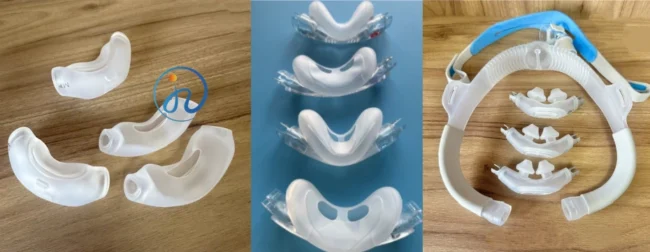
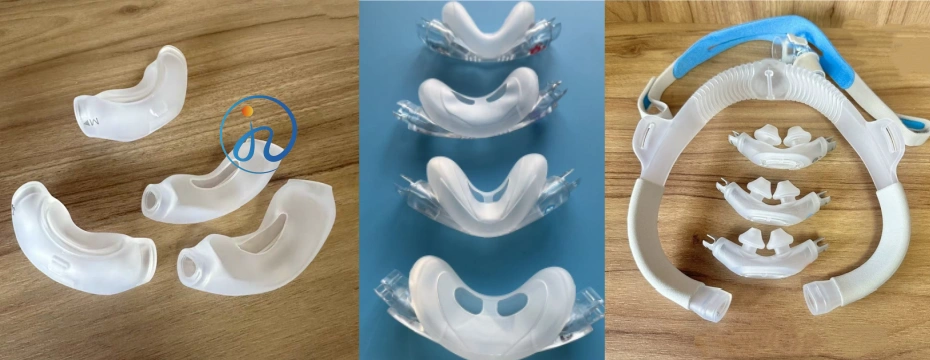
A CPAP nasal pillow mask is a lightweight mask designed to deliver pressurized air directly into the nostrils through soft silicone cushions.
Key Features:
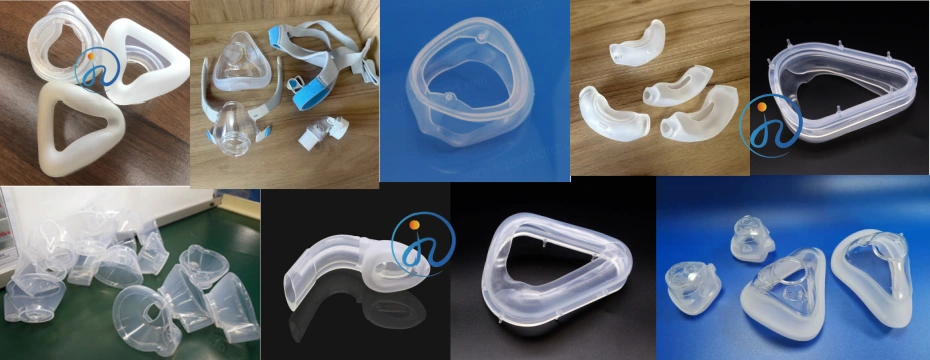
- Made from medical-grade liquid silicone rubber (LSR)
- Ergonomic nasal pillow design
- Soft sealing for comfort
- Reusable and easy to clean
- Compatible with most CPAP machines
Main Components:
- Silicone nasal pillows
- Mask frame (PC or ABS)
- Headgear (fabric + elastic)
- Connectors and valves
Among these, silicone nasal pillows are the most critical and cost-sensitive component.
2. Average Cost of CPAP Nasal Pillow Silicone Masks
The cost varies depending on whether you are buying retail, wholesale, or manufacturing.
Retail Price (End Users)
- $20 – $60 per mask
- Premium brands: $60 – $120
Wholesale Price (Distributors)
- $8 – $25 per unit (standard quality)
- $25 – $40 per unit (high-end / branded OEM)
Factory Price (Direct Manufacturing)
- $3 – $10 per unit (large volume orders)
- MOQ usually: 1,000 – 10,000 pcs
3. Cost Breakdown of CPAP Silicone Mask
Understanding the cost structure helps buyers negotiate better pricing.
1. Silicone Raw Material Cost
- Medical-grade LSR: $6 – $12/kg
- High transparency & biocompatibility increase cost
Cost contribution: ~20% – 30%
2. Injection Molding Cost
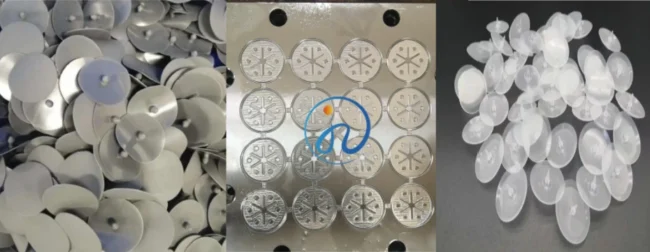
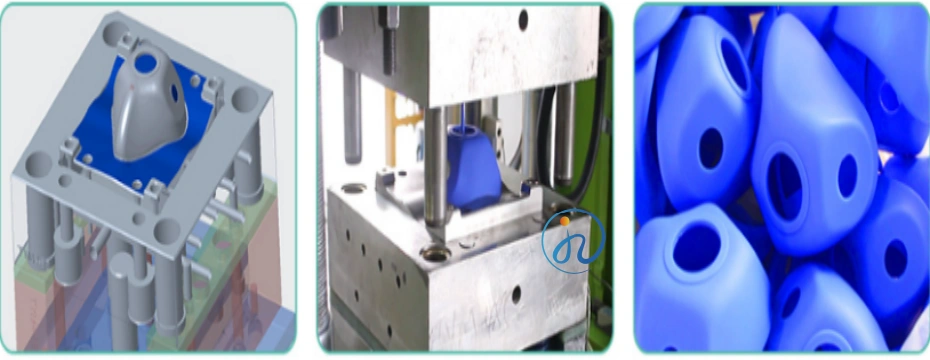
LSR injection molding is the primary manufacturing process.
Factors affecting cost:
- Precision mold design
- Multi-cavity molds
- Automation level
Cost contribution: ~25% – 35%
3. Mold Tooling Cost
- Single cavity mold: $3,000 – $8,000
- Multi-cavity mold: $10,000 – $50,000+
This is a one-time investment but significantly affects unit cost.
4. Assembly & Labor Cost
Includes:
- Mask assembly
- Quality inspection
- Packaging
Cost contribution: ~10% – 20%
5. Certification & Compliance Cost
Medical products require:
- ISO 13485
- FDA registration (for US market)
- CE certification (EU)
These costs are often amortized into unit pricing.
4. Key Factors That Affect CPAP Silicone Mask Cost
1. Material Grade (Medical vs Standard)
- Medical-grade silicone is more expensive
- Required for skin-contact safety
2. Design Complexity
- Dual-wall nasal pillows increase comfort but raise cost
- Complex geometries require advanced molds
3. Production Volume
- Higher volume = lower unit price
- Economies of scale significantly reduce cost
4. Customization Requirements
Custom features increase cost:
- Logo branding
- Custom colors
- Unique packaging
- Private label design
5. Supplier Location
- China: lower manufacturing cost
- USA/Europe: higher labor and compliance cost
5. Cost Comparison: OEM vs ODM vs Standard Products
| Type | Cost Range | Advantages | Disadvantages |
|---|---|---|---|
| Standard Product | Lowest | Fast delivery | No differentiation |
| OEM | Medium | Branding flexibility | Tooling cost |
| ODM | Highest | Unique design | Longer lead time |
6. How to Reduce CPAP Silicone Mask Cost
1. Optimize Mold Design
- Use multi-cavity molds
- Reduce material waste
2. Choose the Right LSR Grade
Avoid over-specifying material properties.
3. Increase Order Quantity
Bulk production lowers per-unit cost significantly.
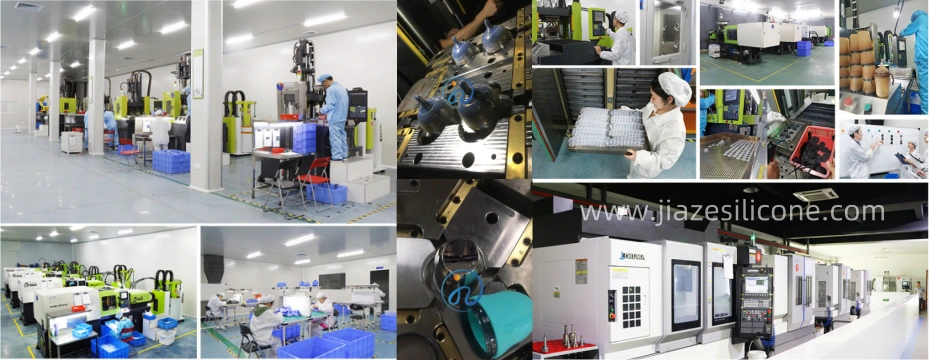
4. Work with Experienced LSR Manufacturers
Experienced factories can:
- Reduce defect rates
- Improve production efficiency
- Optimize cycle time
5. Simplify Product Design
Avoid unnecessary complexity that increases tooling cost.
7. Is It Worth Investing in Custom CPAP Silicone Masks?
For brands and distributors, customization offers strong ROI.
Benefits:
- Brand differentiation
- Higher profit margins
- Customer loyalty
- Competitive advantage
Although initial costs are higher, long-term benefits often outweigh the investment.
8. Choosing the Right Manufacturer
When sourcing CPAP silicone masks, consider:
Key Criteria:
- Experience in medical-grade LSR
- Certifications (ISO 13485, FDA)
- In-house mold design capability
- Quality control system
- OEM/ODM support
A reliable supplier ensures consistent quality and cost control.
Conclusion
The cost of a CPAP nasal pillow sleep silicone mask depends on multiple factors, including materials, manufacturing processes, customization, and order volume.
Key Takeaways:
- Factory cost: $3 – $10 per unit
- Wholesale cost: $8 – $25 per unit
- Retail price: $20 – $120+
- Major cost drivers: silicone material, tooling, and production scale
For B2B buyers, understanding these cost components allows better negotiation, smarter sourcing decisions, and improved profitability.