When selecting elastomeric materials for industrial, medical, or consumer products, LSR (Liquid Silicone Rubber) and TPE (Thermoplastic Elastomer) are two of the most commonly compared options. Although both materials offer flexibility, elasticity, and rubber-like performance, they differ significantly in chemical structure, processing methods, performance characteristics, and application suitability.
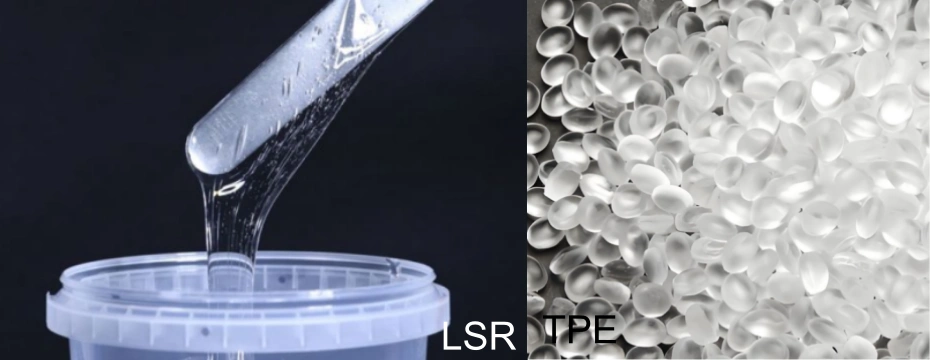
What Is LSR (Liquid Silicone Rubber)?
Liquid Silicone Rubber (LSR) is a two-part, platinum-cured silicone elastomer processed through liquid injection molding (LIM). Once cured, LSR becomes a thermoset material that does not melt again.
Key Characteristics of LSR
- Excellent thermal stability (-60°C to 200°C or higher)
- Outstanding chemical and UV resistance
- High flexibility and elastic recovery
- Biocompatibility and hypoallergenic properties
- Long service life and aging resistance
- Transparent or naturally translucent appearance
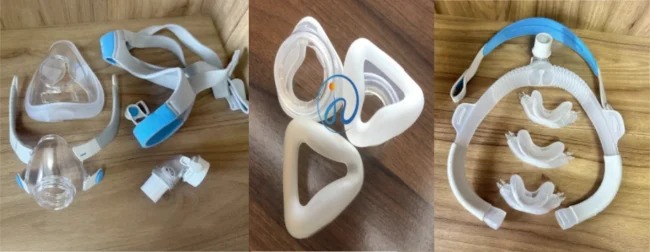
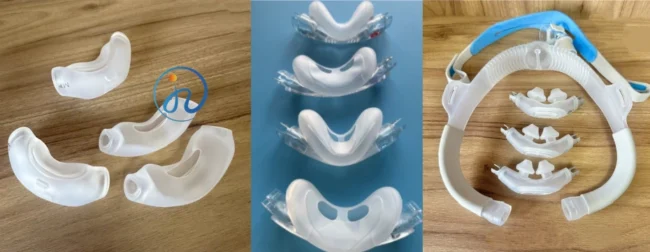
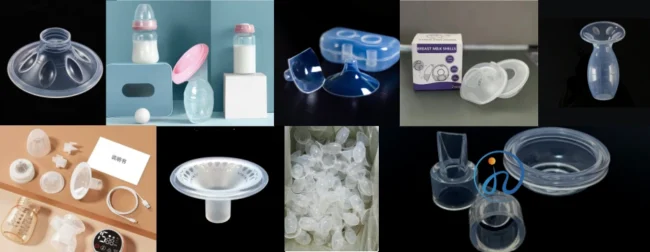
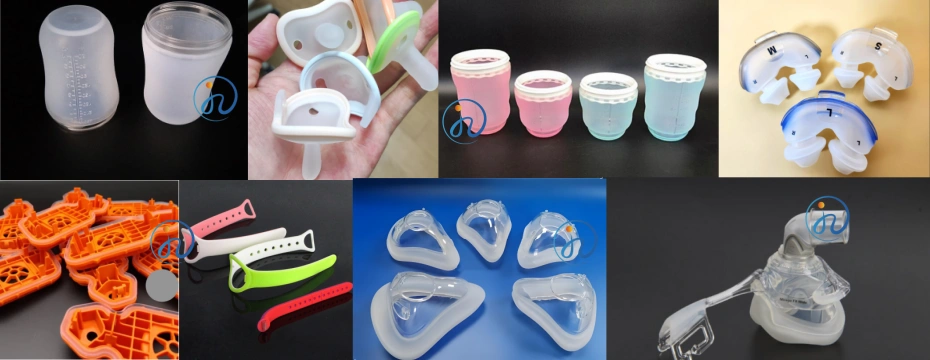
LSR is widely used in medical devices, automotive sealing systems, electronics, baby products, and food-contact components.
What Is TPE (Thermoplastic Elastomer)?
Thermoplastic Elastomers (TPEs) are a class of materials that combine rubber-like elasticity with thermoplastic processability. Unlike LSR, TPE can be melted and reshaped multiple times.
Common Types of TPE
- TPE-S (SBC-based elastomers)
- TPU (Thermoplastic Polyurethane)
- TPO (Thermoplastic Polyolefin)
- TPV (Thermoplastic Vulcanizate)
Key Characteristics of TPE
- Soft touch and flexibility
- Easy processing by injection molding or extrusion
- Recyclability
- Lower initial tooling and processing costs
- Wide range of hardness options
TPE is commonly used in consumer electronics, grips, seals, toys, footwear, and household products.
Chemical Structure: LSR vs TPE
LSR Structure
LSR is based on siloxane (Si–O–Si) polymer chains, which provide exceptional thermal and chemical stability. Once cured, the crosslinked structure cannot be re-melted.
TPE Structure
TPE consists of physical crosslinks formed by thermoplastic domains. These bonds break under heat, allowing the material to be reshaped.
Key Difference:
- LSR = Thermoset (permanent crosslinking)
- TPE = Thermoplastic (reversible bonding)
Processing Methods
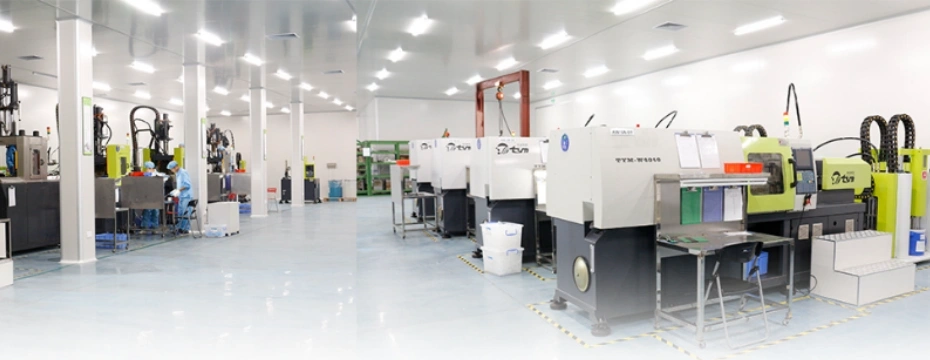
LSR Processing
- Liquid Injection Molding (LIM)
- Requires precise metering and mixing of two components
- Platinum-cured system
- Automated, closed-loop production
- Higher tooling precision required
TPE Processing
- Standard injection molding
- Extrusion
- Overmolding with common thermoplastics (ABS, PP, PC)
- Easier startup and shorter cycle times
From a manufacturing perspective, TPE offers lower entry barriers, while LSR provides superior performance for demanding applications.
Temperature Resistance
LSR Temperature Performance
- Continuous use: up to 200°C
- Short-term exposure: up to 250–300°C
- Remains flexible at extremely low temperatures
TPE Temperature Performance
- Typical range: -30°C to 120°C
- Softening or deformation under high heat
Conclusion: LSR significantly outperforms TPE in high-temperature and extreme environment applications.
Chemical & Environmental Resistance
LSR offers superior resistance to:
- Oils and greases
- Acids and alkalis
- UV radiation
- Ozone
- Moisture and steam
TPE resistance varies depending on formulation, but generally degrades faster when exposed to harsh chemicals or UV light.
Biocompatibility & Safety
LSR
- Medical-grade and food-grade certifications available
- USP Class VI, ISO 10993 compliant
- Odorless, tasteless, non-toxic
- Ideal for long-term skin or body contact
TPE
- Some grades are FDA compliant
- Biocompatibility depends heavily on formulation
- Plasticizers may migrate over time
For medical and healthcare products, LSR is often the preferred material.
Design Flexibility & Overmolding
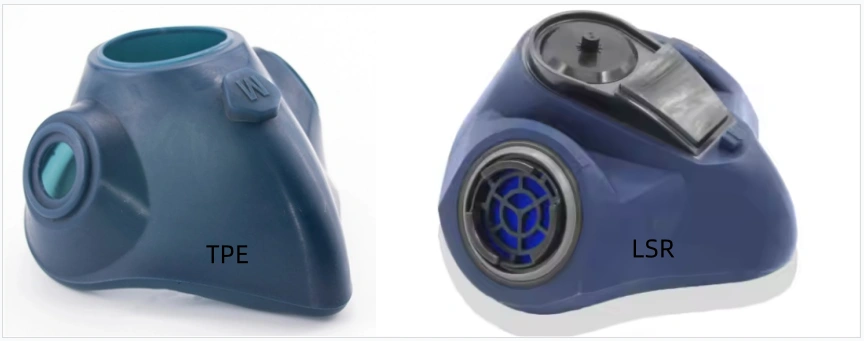
LSR Design Advantages
- Excellent flow into micro and complex geometries
- Flash-free molding with high precision
- Strong bonding with thermoplastics (LSR overmolding)
TPE Design Advantages
- Easier color matching
- Faster prototyping
- Compatible with multi-material designs
LSR is preferred for high-precision sealing and functional components, while TPE excels in ergonomic and aesthetic designs.
Cost Comparison: LSR vs TPE
LSR Costs
- Higher raw material cost
- Higher tooling investment
- Lower scrap rate
- Longer product lifespan
TPE Costs
- Lower material cost
- Lower tooling complexity
- Higher recyclability
- Suitable for high-volume consumer goods
Cost decision should be based on total lifecycle cost, not just material price.
Typical Applications
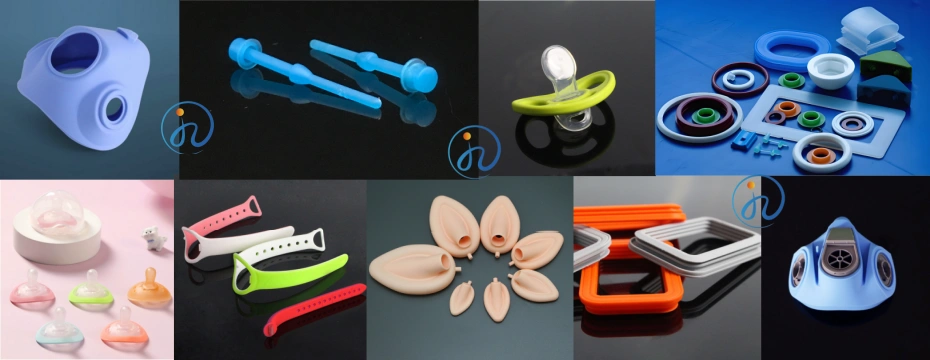
Common LSR Applications
- Medical tubing and seals
- Baby bottle nipples and pacifiers
- Automotive gaskets and connectors
- Wearable device components
- Electrical insulation parts
Common TPE Applications
- Phone cases and grips
- Shoe soles
- Soft-touch handles
- Consumer product housings
- Toys and sporting goods
LSR vs TPE: Which One Should You Choose?
Choose LSR if your product requires:
- High temperature resistance
- Long-term durability
- Medical or food safety compliance
- Chemical and UV resistance
- Precision molding
Choose TPE if your product requires:
- Lower upfront cost
- Faster production cycles
- Recyclability
- Soft-touch aesthetics
- Consumer-grade performance
Future Trends in LSR and TPE
With increasing demand for medical devices, EV components, and wearable electronics, LSR continues to grow in high-performance markets. Meanwhile, bio-based and recyclable TPE formulations are expanding in consumer applications.
Both materials will coexist, serving different performance and cost requirements.
Conclusion
While both LSR and TPE offer flexibility and elastomeric properties, their differences in chemical structure, performance, processing, and applications are substantial. LSR stands out in high-performance, safety-critical, and long-life applications, whereas TPE remains a cost-effective solution for mass-market products.
Understanding these differences ensures better material selection, optimized product performance, and reduced long-term risk.