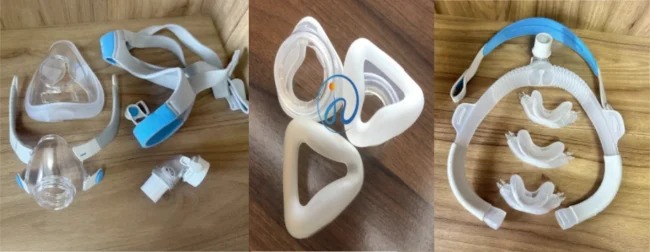
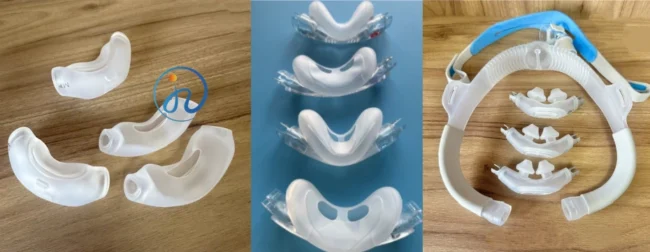
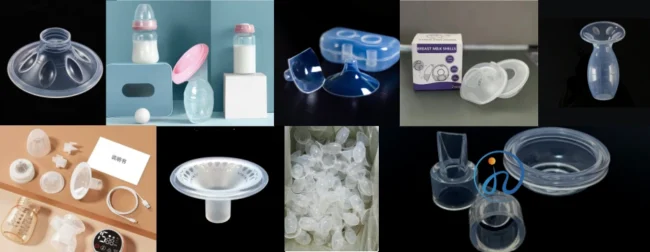
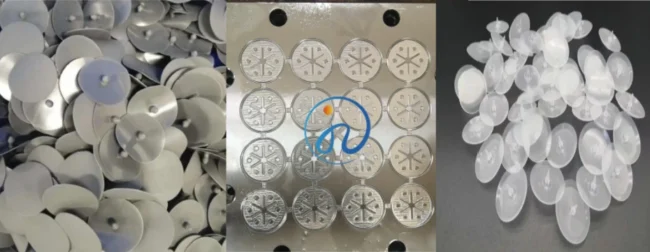
Liquid Silicone Rubber injection molding is used in Piece Part in LSR, medical, automotive, electronics, baby care, and industrial applications due to its precision, durability, and biocompatibility.
When discussing LSR projects, two terms frequently appear in quotations and technical discussions: tooling and piece part.
For many buyers—especially those new to LSR injection molding—these terms can be confusing.
- Why is tooling a one-time cost?
- Why is the piece part price calculated separately?
- How do tooling design decisions affect final part quality and cost?
This article provides a complete, practical explanation of tooling and piece parts in silicone injection molding, helping engineers and procurement teams make informed decisions, reduce risks, and control project costs.
What Is Tooling in LSR Injection Molding?
Definition of Tooling
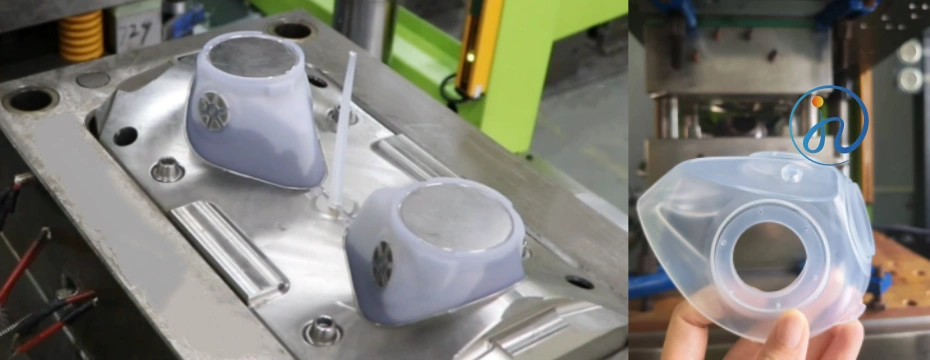
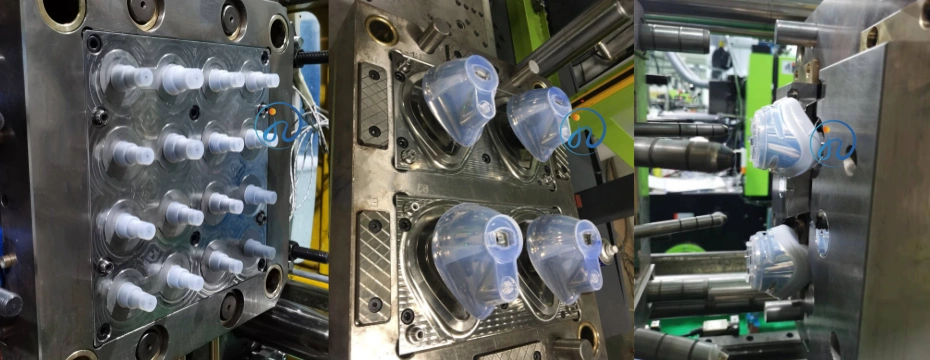
Tooling in LSR injection molding refers to the custom-designed mold and related systems used to shape liquid silicone rubber into a specific part geometry.
Unlike thermoplastic molds, LSR tooling must handle:
- Low-viscosity liquid material
- High injection precision
- Elevated curing temperatures
- Tight flash control requirements
Tooling is project-specific and typically represents a one-time upfront investment.
Main Components of LSR Tooling
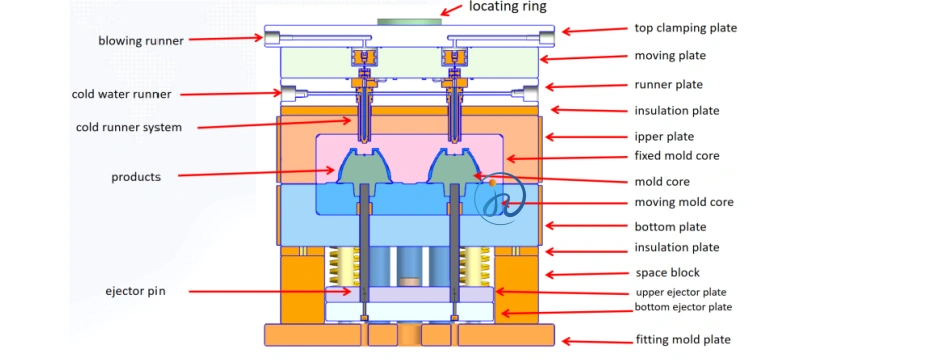
It is more complex than standard plastic injection molds and usually includes:
1. Mold Cavities and Core
- Form the final shape of the silicone part
- Precision-machined for tight tolerances
- Often mirror-polished to minimize adhesion
2. Cold Runner System
- Keeps LSR material uncured before injection
- Prevents premature cross-linking
- Reduces material waste compared to hot runners
3. Injection System
- Designed for low-viscosity material flow
- Balanced gating ensures uniform filling
- Minimizes air entrapment and knit lines
4. Venting System
- Essential due to LSR’s flow behavior
- Removes trapped air during injection
- Prevents short shots and surface defects
5. Temperature Control System
- Heaters embedded in mold plates
- Ensures consistent curing and cycle times
Why Tooling Is Critical in LSR Injection
Tooling directly determines:
- Part accuracy and repeatability
- Flash control and surface finish
- Production efficiency
- Overall cost per unit
A poorly designed LSR tool can lead to:
- Excessive flash
- Inconsistent dimensions
- High scrap rates
- Long cycle times
That’s why tooling quality is often more important than machine selection in LSR projects.
What Is a Piece Part in LSR Injection?
Definition of Piece Part
A piece part refers to the individual molded LSR product produced by the tooling during each injection cycle.
In simple terms:
- Tooling = the mold
- Piece part = the finished silicone component
Piece part pricing is usually calculated per unit, based on production volume and manufacturing variables.
Typical Characteristics of LSR Piece Parts
Liquid silicone rubber piece parts are known for:
- High dimensional stability
- Excellent elasticity and tear resistance
- Resistance to heat, chemicals, and aging
- Biocompatibility (medical and food-grade options)
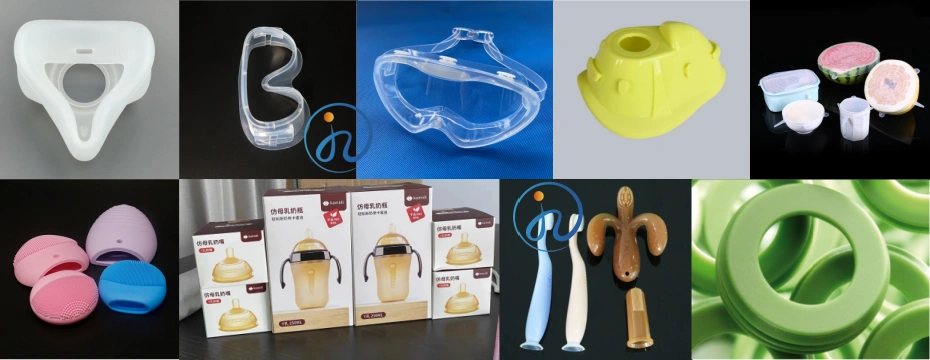
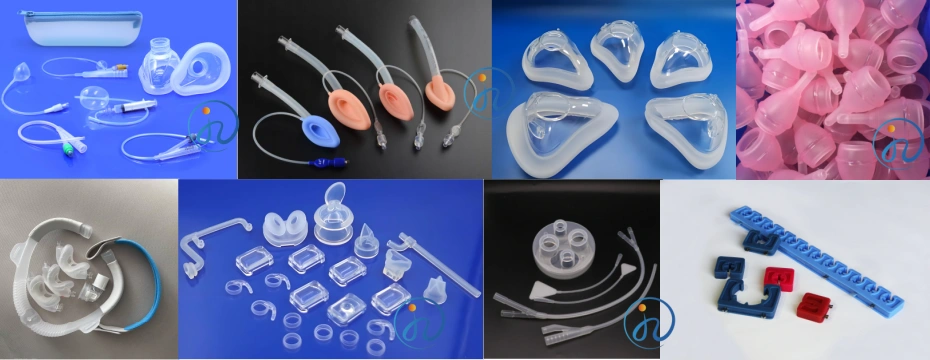
Common LSR piece parts include:
- Medical seals and diaphragms
- Baby bottle nipples and pacifiers
- Automotive connectors and gaskets
- Wearable device components
- Electrical insulation parts
How Tooling Cost Is Determined in LSR Injection
Tooling costs can vary significantly depending on multiple factors:
1. Part Complexity
- Undercuts, thin walls, micro-features
- Tight tolerances increase machining time
2. Number of Cavities
- Single-cavity vs multi-cavity molds
- More cavities = higher tooling cost, lower unit price
3. Material and Steel Grade
- Hardened steel for high-volume production
- Stainless steel for medical applications
4. Cold Runner System Design
- Advanced cold runner systems increase upfront cost
- Reduce long-term material waste
5. Surface Finish Requirements
- Polishing, texturing, or mirror finishes
- Medical and consumer products often require higher standards
How Piece Part Price Is Calculated
The cost of each Liquid silicone rubber piece part is influenced by:
1. Material Cost
- Medical-grade LSR is more expensive than industrial-grade
- Color additives and special formulations add cost
2. Cycle Time
- Faster curing = lower cost per unit
- Optimized tooling reduces cycle time
3. Labor and Automation Level
- Fully automated demolding lowers labor cost
- Manual trimming increases piece price
4. Quality Requirements
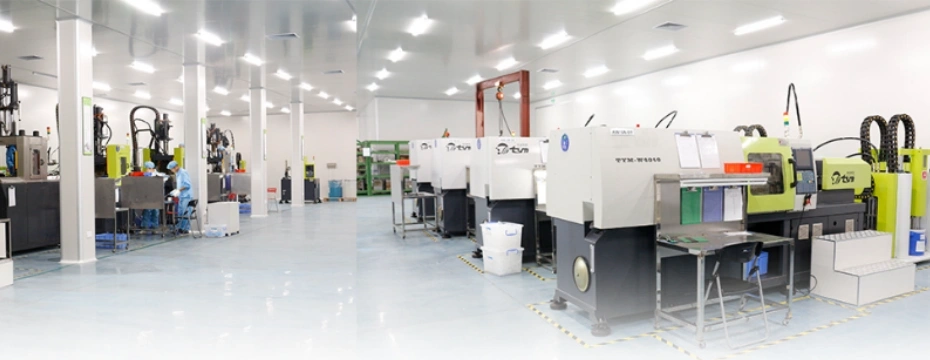
- 100% inspection for medical parts
- Cleanroom production adds cost
5. Annual Volume
- Higher volumes significantly reduce unit price
- Tool amortization spread across production
Relationship Between Tooling Design and Piece Part Quality
Tooling and piece parts are deeply interconnected.
A well-designed LSR tool results in:
- Minimal flash
- Stable dimensions
- Smooth surface finish
- Lower scrap rates
Conversely, inadequate tooling leads to:
- Post-processing costs
- Higher rejection rates
- Inconsistent performance
For this reason, experienced LSR manufacturers prioritize tooling engineering during the early design phase.
Tooling Ownership and Maintenance in LSR Projects
Who Owns the Tooling?
In most cases:
- Tooling is paid for by the customer
- Tooling belongs to the customer
- Stored and maintained by the manufacturer
Clear tooling ownership terms should be stated in contracts.
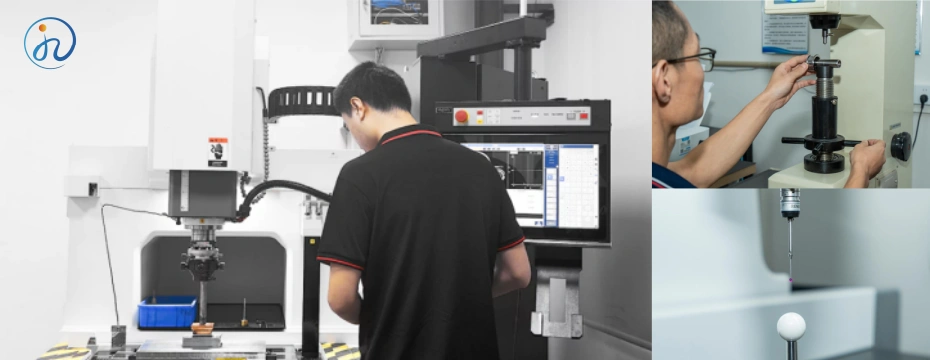
Tooling Maintenance
Proper tooling maintenance includes:
- Regular cleaning
- Seal and runner inspection
- Calibration for long production runs
Good maintenance ensures:
- Consistent part quality
- Extended mold life
- Stable piece part pricing
How to Optimize Tooling and Piece Part Costs
For Engineers
- Design for manufacturability (DFM)
- Avoid unnecessary tight tolerances
- Optimize wall thickness for LSR flow
For Buyers
- Share accurate annual volume forecasts
- Consider multi-cavity molds for mass production
- Work with experienced LSR tooling suppliers
Why Experienced LSR Manufacturers Matter
An experienced LSR injection molding manufacturer offers:
- In-house tooling design
- Proven cold runner systems
- Stable mass production capability
- Consistent piece part quality
With over a decade of LSR molding experience, professional suppliers help customers:
- Reduce development risks
- Shorten time to market
- Optimize total project cost
Conclusion
Understanding what tooling and piece parts mean in LSR injection molding is essential for successful product development and sourcing.
To summarize:
- Tooling is the custom mold system that shapes the LSR
- Piece parts are the finished silicone components produced
- Tooling quality directly impacts piece part cost, quality, and consistency
- Smart tooling investment leads to long-term savings
Whether you are developing medical devices, consumer products, or industrial components, choosing the right tooling strategy and manufacturing partner is the foundation of a successful LSR injection molding project.