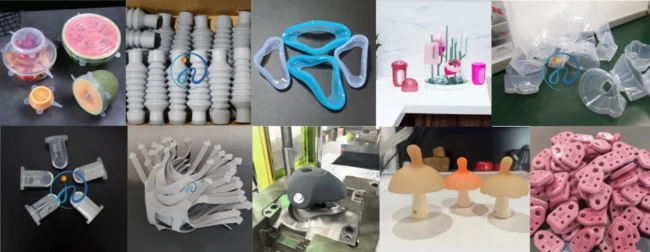
Liquid Silicone Rubber (LSR) has become one of the most used materials for high-precision and high-performance components. Industries such as medical devices, baby products, electronics, automotive, and consumer goods rely on LSR because of its durability, flexibility, chemical resistance, and biocompatibility.
However, when companies plan to develop custom silicone parts, one of the first questions they ask is:
What does a Liquid Silicone Rubber custom component solutions cost?
The answer is not a single number. The cost depends on several factors including product design, mold complexity, material grade, production volume, and secondary operations.
Understanding Liquid Silicone Rubber Custom Component Solutions
Liquid Silicone Rubber custom component solutions refer to the complete manufacturing process of producing customized LSR parts, from concept design to mass production.
A typical solution includes:
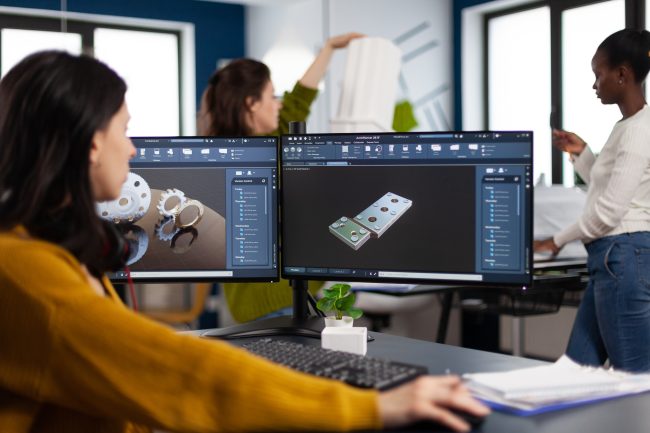
- Product design support
- Mold design and manufacturing
- Liquid injection molding
- Post-curing
- Secondary processing
- Quality inspection
- Packaging and logistics
Instead of simply producing parts, an experienced LSR manufacturer provides engineering support and manufacturing optimization to ensure product reliability and cost efficiency.
Key Factors That Determine LSR Custom Component Solutions Cost
Several variables influence the overall cost of custom LSR components. Understanding these elements helps companies make better sourcing decisions.
1. Product Design Complexity
The complexity of the part design directly affects the production cost.
Important design factors include:
- Wall thickness
- Undercuts
- Tight tolerances
- Micro structures
- Multi-material overmolding
Highly complex designs require more advanced molds, additional processing steps, and longer production cycles.
For example:
Simple silicone gasket → lower manufacturing cost
Complex medical valve → higher engineering and tooling cost
Design optimization can significantly reduce production costs while maintaining performance.
2. Mold Design and Tooling Cost
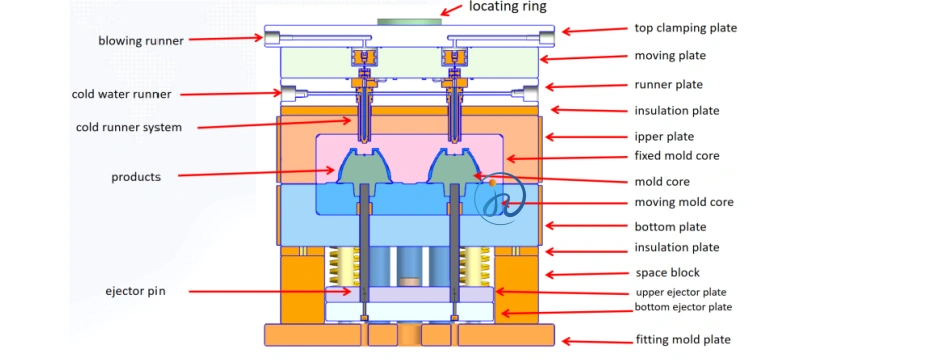
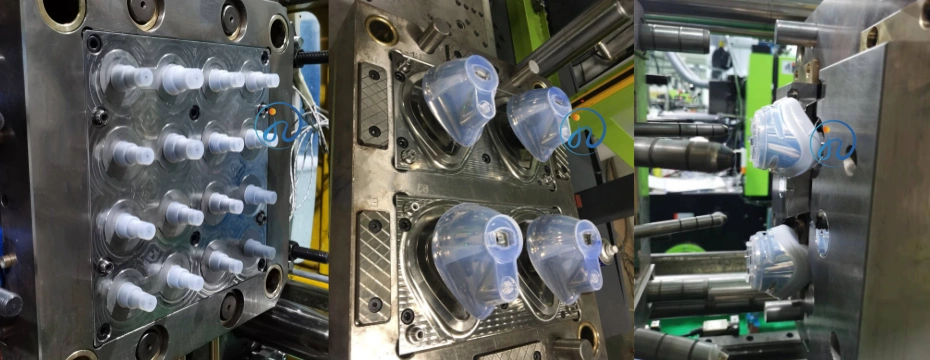
Tooling is often the largest upfront investment in an LSR custom component project.
Mold costs depend on:
- Number of cavities
- Mold material
- Mold precision
- Mold size
- Hot runner systems
Typical LSR mold cost ranges include:
| Mold Type | Estimated Cost |
|---|---|
| Single cavity prototype mold | $2,000 – $5,000 |
| Multi-cavity production mold | $8,000 – $30,000 |
| High precision medical mold | $30,000 – $80,000 |
Multi-cavity molds increase productivity and reduce the per-part cost in mass production.
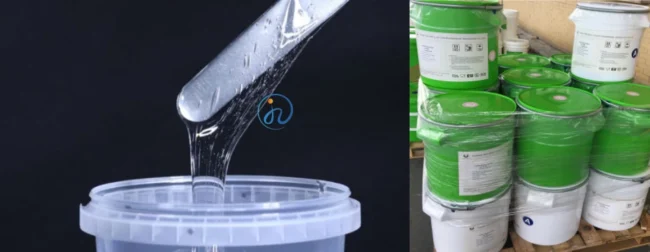
3. Liquid Silicone Rubber Material Cost
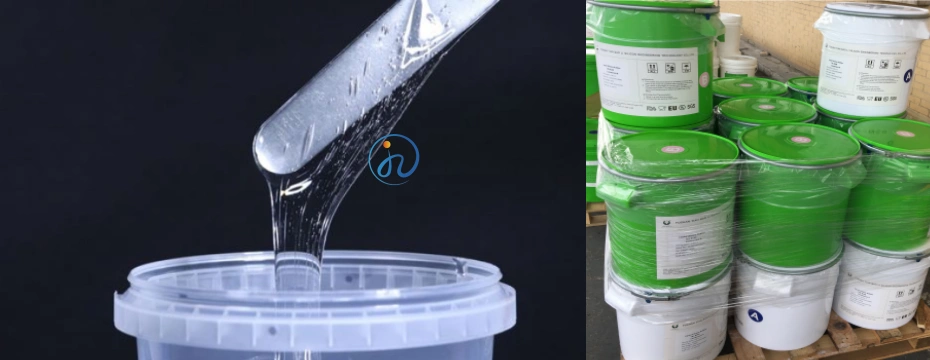
Material selection plays a major role in determining project cost.
Different grades of LSR include:
- Standard industrial grade
- Food-grade silicone
- Medical-grade silicone
- High transparency silicone
- High temperature resistant silicone
Typical material prices range from:
$6 – $25 per kilogram, depending on grade and certification.
For example:
Food-grade LSR → slightly higher cost
Medical-grade LSR → highest cost due to biocompatibility requirements
Selecting the right material grade is essential to balance performance and budget.
4. Production Volume
Production quantity is one of the most significant cost drivers.
LSR manufacturing benefits greatly from economies of scale.
Typical cost trend:
| Production Quantity | Cost Per Part |
|---|---|
| 1,000 pcs | High |
| 10,000 pcs | Medium |
| 100,000 pcs | Low |
Higher volumes allow manufacturers to:
- Use multi-cavity molds
- Reduce machine setup time
- Improve production efficiency
This significantly lowers the unit manufacturing cost.
5. Secondary Processing and Assembly
Some LSR parts require additional processes after molding.
Common secondary operations include:
- Trimming or deflashing
- Surface treatment
- Printing or laser marking
- Assembly with plastic or metal components
- Sterilization for medical devices
Each additional process increases the overall project cost.
For example:
Basic silicone gasket → no secondary process
Medical valve assembly → multiple processes required
Choosing a manufacturer capable of integrated services can reduce logistics and assembly costs.
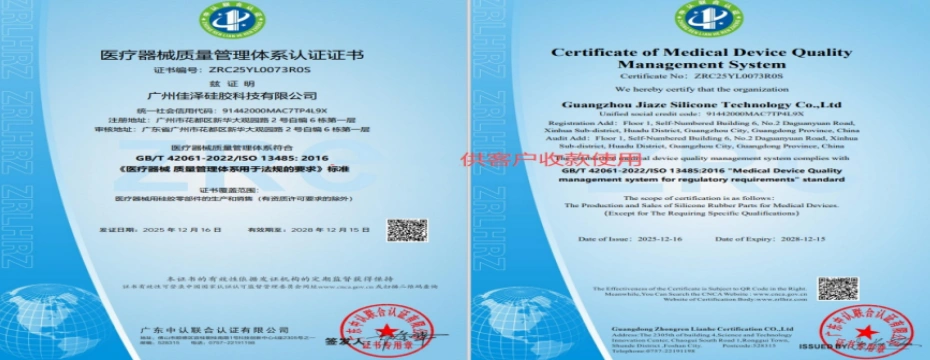
6. Quality Control and Certification
Industries such as medical devices and baby products require strict quality standards.
Common certifications include:
- ISO 13485 (medical manufacturing)
- FDA compliance
- LFGB food-grade certification
- ISO 9001 quality management
Advanced quality control processes include:
- Automated visual inspection
- Cleanroom manufacturing
- Dimensional measurement
- Material traceability
While these processes increase production costs, they ensure product safety and regulatory compliance.
Estimated Cost Structure of LSR Custom Component Solutions
To better understand the cost distribution, here is a typical cost structure for LSR manufacturing projects.
| Cost Category | Percentage of Total Cost |
|---|---|
| Mold tooling | 30% – 50% |
| Material | 15% – 25% |
| Injection molding | 15% – 20% |
| Secondary processing | 5% – 15% |
| Quality control | 5% – 10% |
Although tooling requires a significant initial investment, it becomes more economical as production volume increases.
How to Reduce Liquid Silicone Rubber Component Costs
Companies can reduce costs without compromising quality by implementing smart strategies.
Optimize Product Design
Designing parts specifically for LSR injection molding improves manufacturability.
Key design tips include:
- Maintain uniform wall thickness
- Reduce undercuts
- Avoid unnecessary complexity
- Optimize part size
Collaborating with experienced LSR engineers during the design stage can significantly lower tooling costs.
Increase Mold Cavities
Multi-cavity molds produce several parts in a single cycle.
Benefits include:
- Higher productivity
- Lower unit cost
- Faster production cycles
For large production runs, increasing cavity numbers is one of the most effective cost reduction methods.
Choose the Right Manufacturing Partner
A professional LSR manufacturer provides:
- Engineering consultation
- Mold design optimization
- Automated production
- Quality control systems
Working with an experienced supplier ensures the project is completed efficiently and reduces long-term costs.
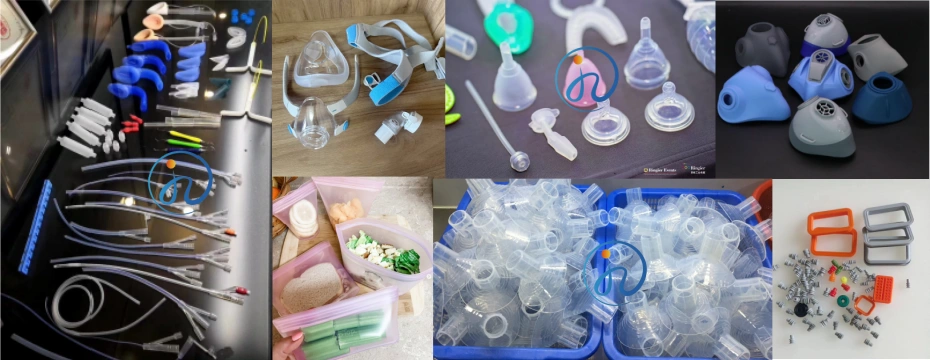
Typical Applications of Custom LSR Components
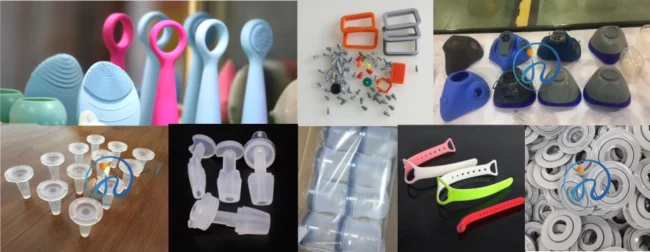
Liquid silicone rubber custom components are used in multiple industries.
Common applications include:
Medical Industry
- Catheter valves
- Respirator masks
- Medical seals
- Implantable components
Baby Care Products
- Silicone baby nipples
- Feeding valves
- Pacifiers
- Bottle sealing rings
Consumer Electronics
- Waterproof seals
- Keypads
- Protective covers
Automotive Industry
- High-temperature seals
- Electrical insulation components
- Sensor protection parts
These industries rely on LSR due to its excellent durability, flexibility, and safety properties.
Why More Companies Choose LSR Custom Component Solutions
Liquid silicone rubber offers unique advantages compared with traditional rubber or plastic materials.
Key benefits include:
- Excellent heat resistance
- Long service life
- Superior elasticity
- Chemical resistance
- Biocompatibility
- High precision molding capability
These properties make LSR the ideal material for high-performance custom components.
Conclusion
The cost of Liquid Silicone Rubber custom component solutions depends on multiple factors, including product design, mold tooling, material grade, production volume, and secondary processes.
While initial tooling investment may be significant, LSR manufacturing becomes highly cost-effective for medium and large production volumes.
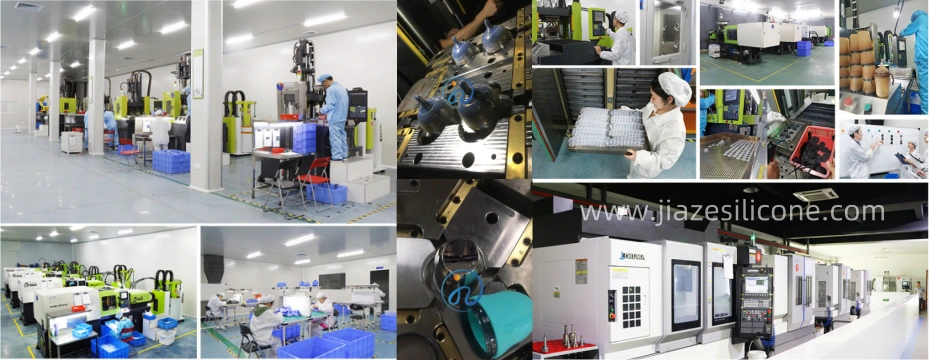
By optimizing product design, selecting appropriate materials, and partnering with a reliable LSR manufacturer, companies can achieve the best balance between performance, quality, and manufacturing cost.
As industries continue to demand high-precision and durable components, Liquid Silicone Rubber will remain one of the most important materials for custom manufacturing solutions.