In modern manufacturing, product designers and OEM manufacturers continuously seek solutions that combine durability, flexibility, safety, and precision production. Liquid Silicone Rubber (LSR) injection molding has become one of the most advanced manufacturing technologies capable of meeting these demands.
LSR injection molded solutions refer to integrated manufacturing services that transform silicone material concepts into fully functional mass-production components through precision injection molding technology.
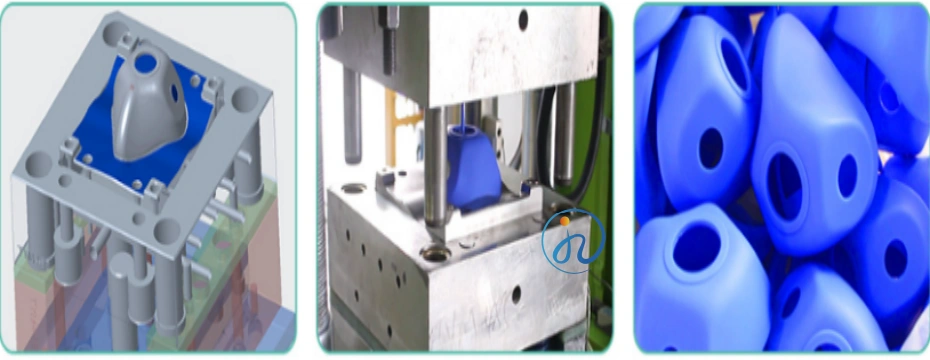
These solutions go beyond simple molding services. They often include:
- Product design support
- Material selection
- Mold engineering
- Automation production
- Quality validation
- Secondary assembly
Industries such as medical devices, automotive electronics, baby products, and wearable technology increasingly rely on LSR injection molded solutions to achieve higher product performance and regulatory compliance.
This guide explains everything engineers and purchasing managers should know about LSR injection molded solutions.
Definition of LSR Injection Molded Solutions
LSR injection molded solutions refer to a complete manufacturing system that produces silicone components using liquid silicone rubber materials injected into heated molds where they cure into finished parts.
Unlike traditional compression molding or RTV casting, LSR injection molding is highly automated and suitable for high-volume precision production.
Typical solutions include:
- Prototype development
- Mold design and fabrication
- High precision molding
- Overmolding capability
- Post-processing services.
Instead of sourcing multiple suppliers, OEMs obtain a turnkey manufacturing partnership.
How LSR Injection Molding Works
LSR injection molding differs significantly from thermoplastic injection molding.
The process includes:
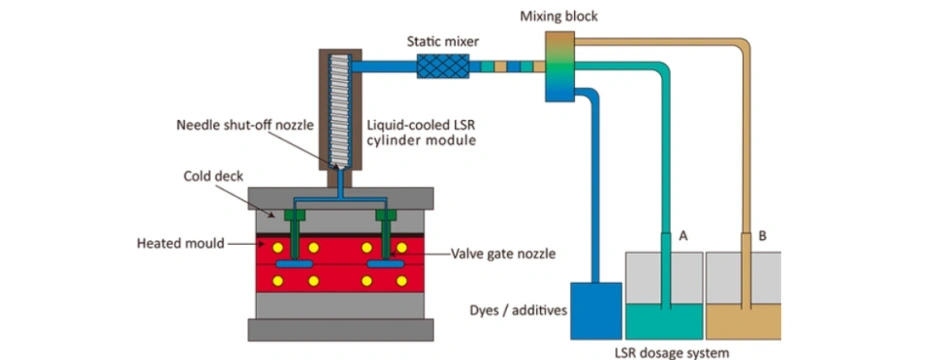
Step 1 — Material Preparation
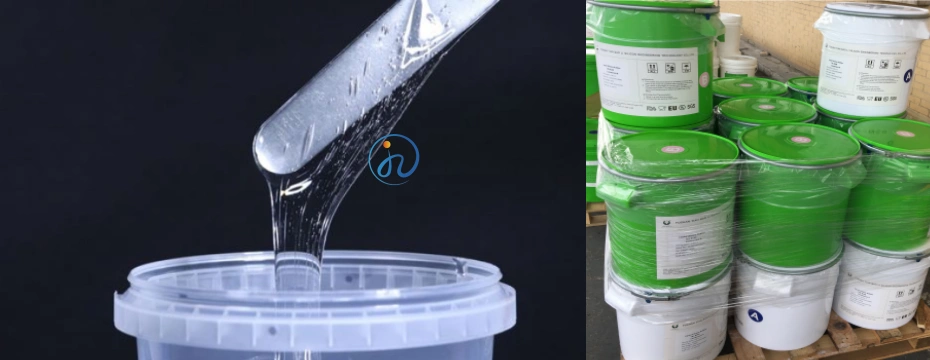
LSR consists of two liquid components: Part A and Part B.
These materials are stored in drums and pumped into a mixing unit. Color pigments or additives may also be added.
Step 2 — Metering and Mixing
A static mixer blends both components precisely. This ensures consistent curing performance.
Step 3 — Cold Runner Injection
The mixed silicone remains cool until entering the mold. Cold runner systems prevent premature curing.
Step 4 — Mold Heating and Curing
Mold temperatures typically range between: 150°C — 200°C.
The silicone vulcanizes rapidly. Cycle time may be as short as 20–60 seconds depending on part thickness.
Step 5 — Automatic Demolding
Robotic systems remove parts. Automation reduces contamination risks and improves consistency.
Why Choose LSR Injection Molded Solutions?
High Precision Manufacturing
LSR has extremely low viscosity. It flows into micro features and thin walls easily.
Tolerance capability can reach: ±0.02 mm depending on design.
Ideal for:
- Micro valves
- Optical parts
- Medical seals.
Automation and Mass Production Efficiency
Modern LSR production lines integrate:
- Robots
- Vacuum systems
- Vision inspection.
Benefits include:
- Lower labor cost
- Stable quality.
Biocompatibility and Safety
Medical-grade LSR meets strict standards:
- ISO 10993
- USP Class VI.
It is suitable for skin contact and implantable devices.
Excellent Environmental Resistance
LSR resists:
- UV radiation
- High temperature.
- Sterilization chemicals.
Operating temperature: −50°C to 200°C.
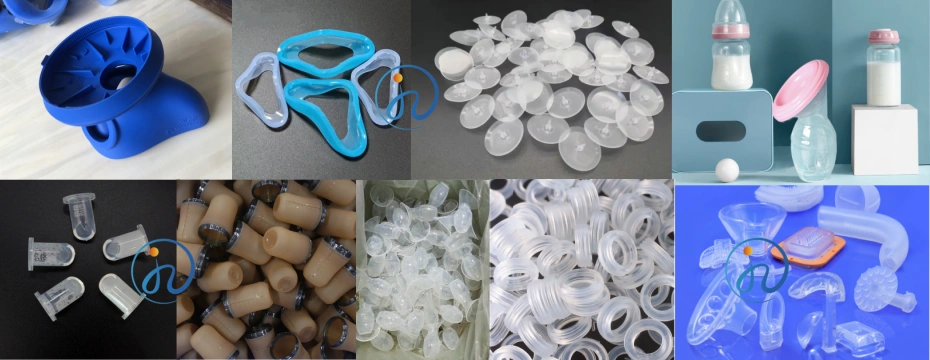
Types of LSR Injection Molded Solutions
LSR bonds with:
- Plastic substrates
- Metal inserts
- Electronics.
Benefits:
- Waterproof sealing
- Ergonomic grip.
Common products:
- Medical instruments
- Waterproof connectors.
Materials Used in LSR Injection Molded Solutions
Common grades include:
- Medical grade LSR
- Food grade silicone
- Optical transparent silicone.
Material suppliers often include global silicone chemical companies providing certified compounds.
Key hardness range: 10 Shore A — 80 Shore A.
Applications of LSR Injection Molded Solutions
Medical Industry
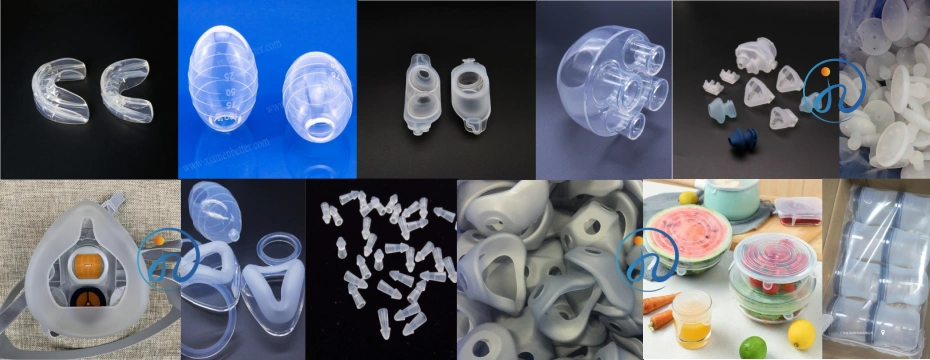
Applications include:
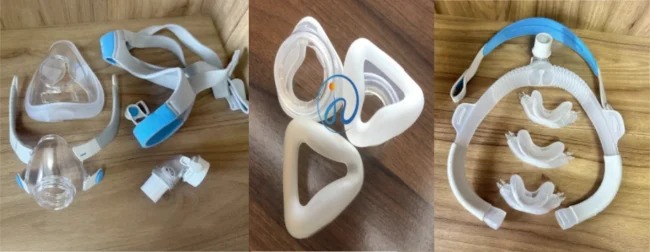
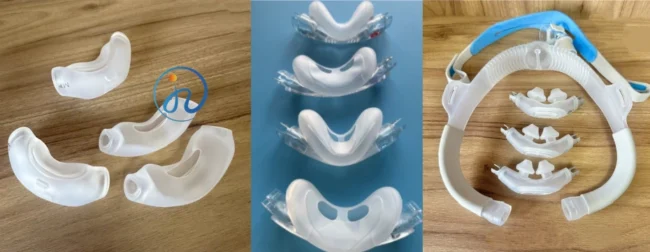
- Respiratory equipment.
- Drug delivery valves.
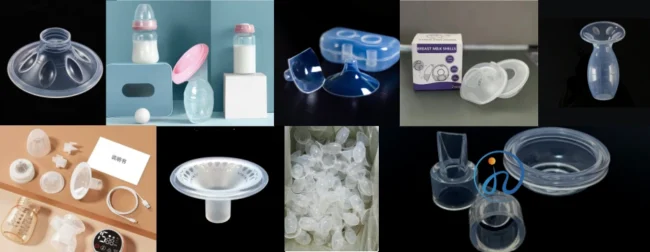
- Surgical seals.
Sterilization compatibility:
- Gamma radiation
- Autoclave.
Automotive Industry
Applications:
- EV battery sealing.
- Sensor protection.
- Waterproof connectors.
LSR improves vibration resistance.
Consumer Electronics
Products:
- Wearables.
- Charging connectors.
- Waterproof buttons.
Baby Care and Food Contact Products
Applications:
- Baby nipples.
- Kitchen accessories.
LSR is odorless and BPA free.
How to Choose an LSR Injection Molded Solutions Provider?
OEM buyers should evaluate:
- Engineering experience.
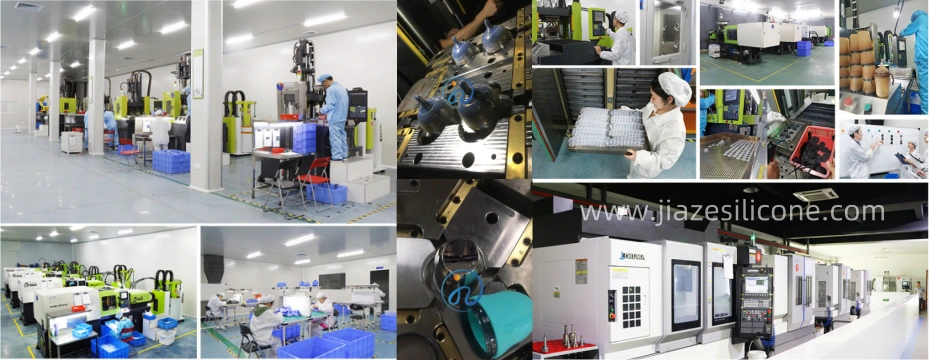
- Cleanroom capability.
- Mold design expertise.
- Automation systems.
Early supplier involvement improves product success rate.
Conclusion
LSR injection molded solutions provide manufacturers with a highly reliable and scalable method for producing precision silicone components. From medical devices to automotive electronics and consumer products, LSR offers unmatched flexibility, durability, and safety.
Partnering with an experienced LSR injection molding manufacturer allows OEM companies to shorten development cycles while achieving consistent quality in mass production.