Medical devices require materials that meet the highest standards of safety, stability, and biocompatibility. One of the most trusted materials in healthcare manufacturing is medical grade silicone. But what exactly is a Medical Grade Silicone Molding Service, and why is it critical for medical device companies?
In this comprehensive guide, we will explore:
- What Medical Grade Silicone Molding Service means
- Types of medical silicone materials
- Manufacturing processes
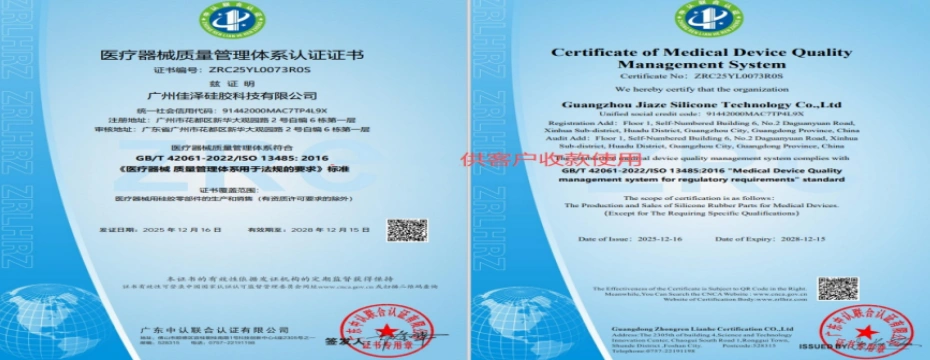
- Industry certifications
- Applications in healthcare
- Design and regulatory considerations
- How to choose the right supplier
Whether you are a product designer, engineer, or procurement manager, understanding medical silicone molding can help ensure regulatory compliance and product performance.
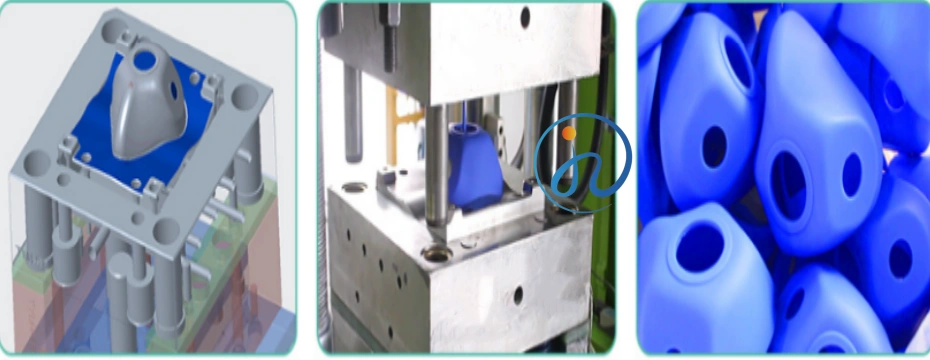
What Is Medical Grade Silicone Molding Service?
Medical Grade Silicone Molding Service refers to the specialized manufacturing process of producing medical components using certified medical silicone materials under controlled and regulated conditions.
Unlike industrial silicone molding, medical silicone molding requires:
- Certified biocompatible materials
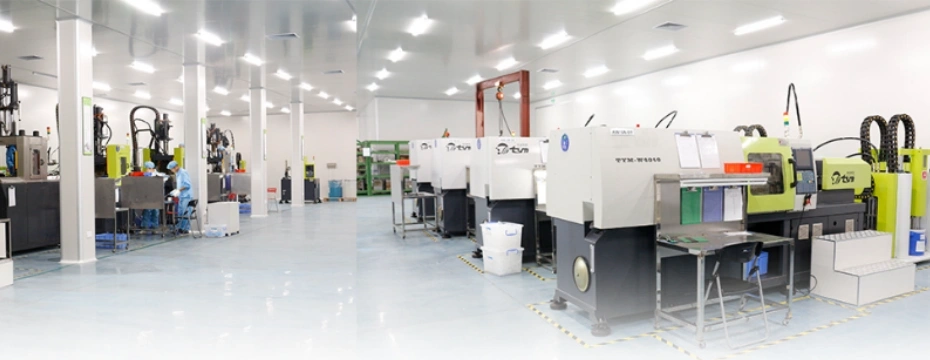
- Strict cleanroom production
- Traceability systems
- Validation documentation (IQ/OQ/PQ)
- Compliance with international medical standards
The service typically includes design support, mold manufacturing, injection molding, post-curing, inspection, and packaging.
What Is Medical Grade Silicone?
Medical grade silicone is a high-purity elastomer specifically formulated for medical and healthcare applications. It is biologically inert, resistant to bacteria growth, and compatible with human tissue.
Liquid Silicone Rubber (LSR)
LSR is the most common material used in Medical Grade Silicone Molding Service.
Key features:
- Platinum-cured system
- High transparency
- Excellent heat resistance
- Low compression set
- Suitable for injection molding
It is used for precision and high-volume medical components.
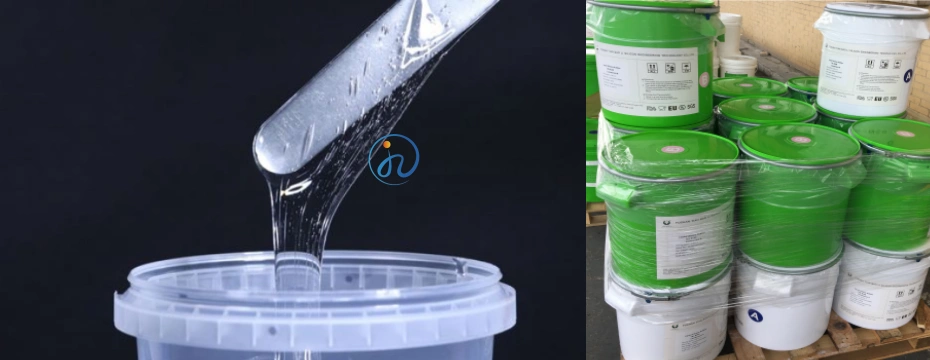
The Medical Grade Silicone Molding Process
The Service usually follows these steps:
1. Material Preparation
Medical silicone materials are stored in controlled environments to prevent contamination. Batch numbers are recorded for full traceability.
2, Precision Injection
- Two components are mixed at a precise 1:1 ratio
- The material is injected into a heated mold
- Platinum curing occurs inside the mold
3. Inspection & Quality Control
Each batch undergoes:
- Visual inspection
- Dimensional measurement (CMM)
- Tensile and tear strength testing
- Biocompatibility verification
Industry Standards & Certifications
A professional Manufacturer Service provider should comply with:
- ISO 13485 (Medical device quality management)
- FDA regulations (for US market)
- ISO 10993 biocompatibility testing
- USP Class VI certification
These certifications ensure material safety and manufacturing reliability.
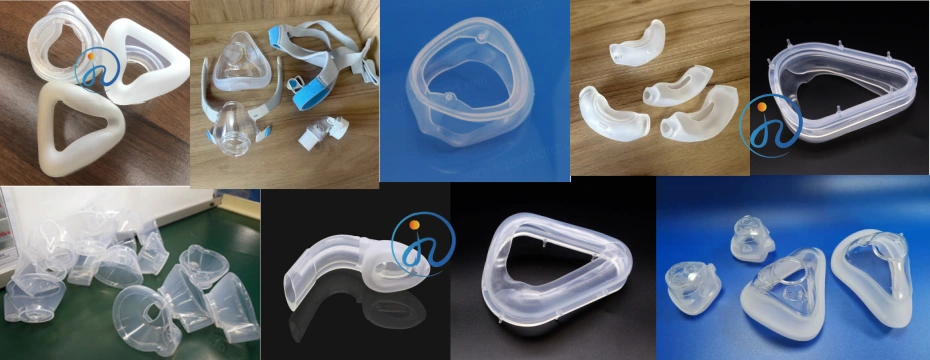
Applications of Medical Grade Silicone Molding
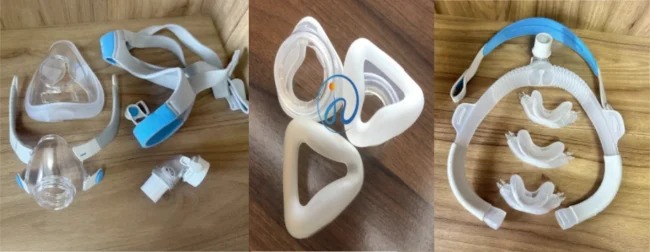
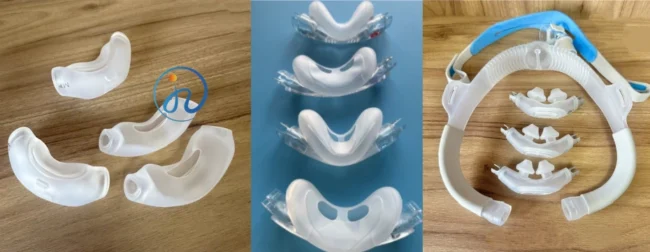
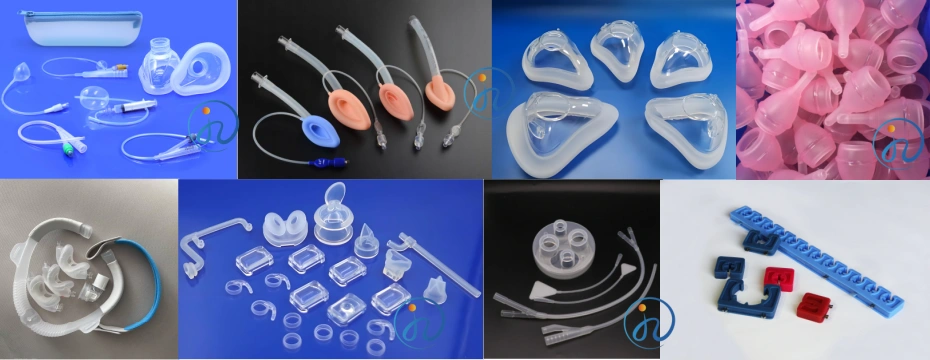
Respiratory Devices, Oxygen masks, CPAP cushions, Valve components
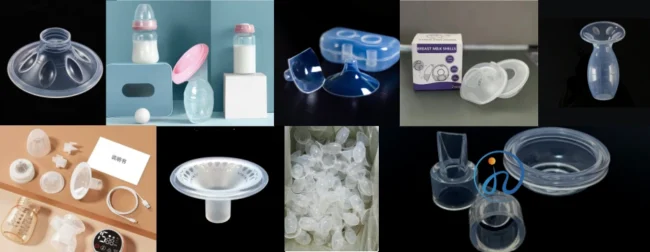
Infant & Feeding Products: Baby nipples, Pacifiers, Feeding valves
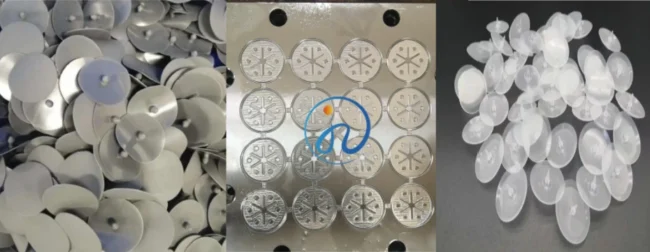
Surgical & Implantable Components: Catheters, Surgical seals, Implantable components
Wearable Medical Devices, Skin-contact sensors, Health monitoring straps, Protective housings
Advantages of Medical Grade Silicone Molding Service
1. Biocompatibility
Medical silicone is safe for prolonged skin contact and internal applications.
2. Sterilization Resistance
It withstands:
- High temperature autoclave cycles
- Chemical sterilization
- Radiation exposure
3. Design Flexibility
- Complex geometries
- Micro features
- Thin walls
- Overmolding capabilities
4. Long-Term Stability
Silicone resists:
- UV exposure
- Oxidation
- Temperature extremes
Design Considerations for Medical Silicone Parts
When using a LSR Molding Service, consider:
- Uniform wall thickness
- Proper draft angles
- Venting design
- Flash control
- Tolerance requirements
Early collaboration with the molding manufacturer reduces development risk.
Cost Factors in Medical Silicone Molding
Total project cost depends on:
- Mold complexity
- Number of cavities
- Cleanroom requirements
- Validation documentation
- Post-curing and sterilization processes
- Annual production volume
Although tooling investment can be high, unit cost decreases significantly with mass production.
How to Choose the Right Medical Grade Silicone Molding Service Provider
When selecting a partner, evaluate:
- ISO 13485 certification
- Cleanroom production capability
- Experience in medical projects
- In-house mold design and manufacturing
- Validation and regulatory support
- Traceability system
- Quality inspection equipment
A qualified supplier should not only provide molding services but also engineering support during product development.
Why Medical Device Manufacturers Prefer Silicone
Medical grade silicone has become the material of choice because it offers:
- Patient safety
- Flexibility and comfort
- Chemical inertness
- Durability
- Transparency options
- Long-term performance
It is widely accepted by regulatory agencies worldwide.
Conclusion
Medical Grade Silicone Molding Service is a specialized manufacturing solution designed for high-performance healthcare applications. From respiratory devices to implantable components, medical silicone ensures safety, durability, and regulatory compliance.
By partnering with an experienced medical silicone molding manufacturer, companies can reduce development risks, accelerate time to market, and maintain consistent product quality.
For engineers and procurement teams, understanding material selection, cleanroom standards, certifications, and process control is essential when choosing a right Service provider.