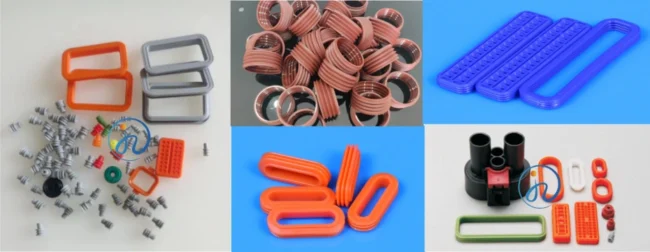
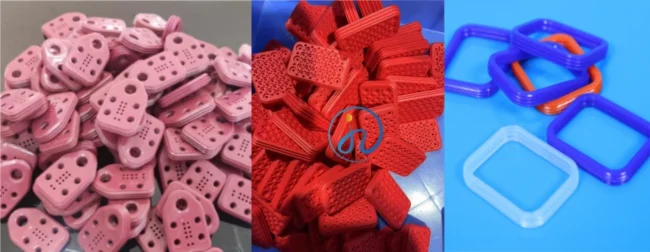
As modern vehicles become increasingly electrified, connected, and intelligent, the reliability of electrical systems is more critical than ever. Automotive connectors—especially those used in harsh environments—must withstand extreme temperatures, moisture, chemicals, and vibration.
This is where Liquid Silicone Rubber (LSR) stands out as a superior material. Compared to traditional rubber or thermoplastics, LSR offers exceptional sealing, flexibility, and durability, making it the preferred choice for automotive silicone connectors.
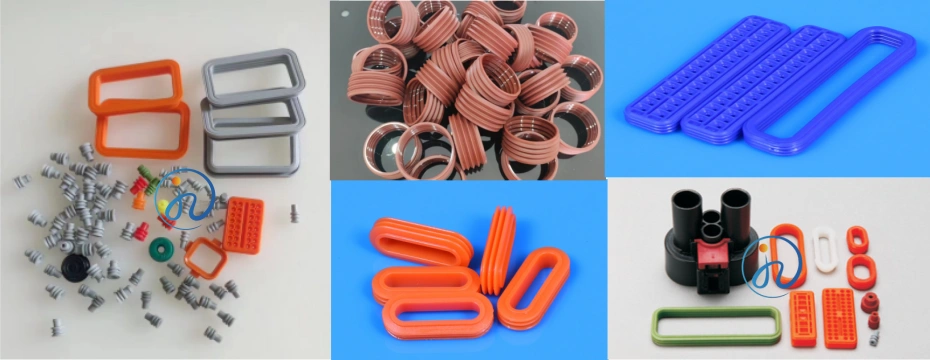
In this comprehensive guide, we explore the key advantages of LSR in automotive connector applications and why OEM manufacturers are rapidly adopting this material.
What Is LSR (Liquid Silicone Rubber)?
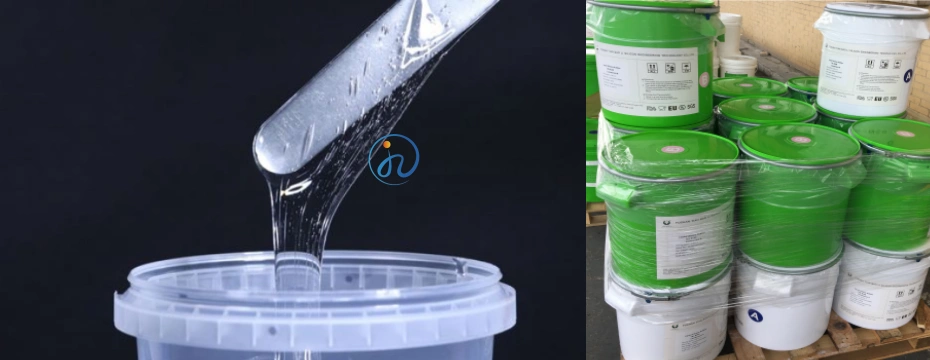
Liquid Silicone Rubber (LSR) is a two-component, platinum-cured elastomer used in high-performance applications. It is processed through injection molding, allowing for precise, complex, and repeatable production.
LSR is known for its:
- High thermal stability
- Excellent elasticity
- Chemical resistance
- Biocompatibility and safety
These properties make it ideal for automotive connectors that require long-term reliability under demanding conditions.
Why Automotive Connectors Need Advanced Materials
Automotive connectors are no longer simple components. They must perform reliably in environments such as:
- Engine compartments with high heat
- EV battery systems with electrical stress
- Outdoor exposure to water and UV
- Continuous vibration and mechanical stress
Traditional materials like EPDM or standard rubber often fall short in these demanding conditions. LSR provides a next-generation solution.
Key Advantages Of LSR In Automotive Silicone Connectors
1. Outstanding Temperature Resistance
One of the biggest advantages of LSR is its ability to withstand extreme temperatures.
- Operating range: -50°C to +200°C (or higher)
- Maintains flexibility even in cold environments
- Does not degrade under prolonged heat exposure
This makes LSR ideal for connectors used in:
- Engine bays
- Turbo systems
- EV power modules
2. Superior Sealing Performance
LSR provides excellent sealing capabilities, which are critical for automotive connectors.
- High elasticity ensures tight sealing around wires
- Low compression set maintains sealing over time
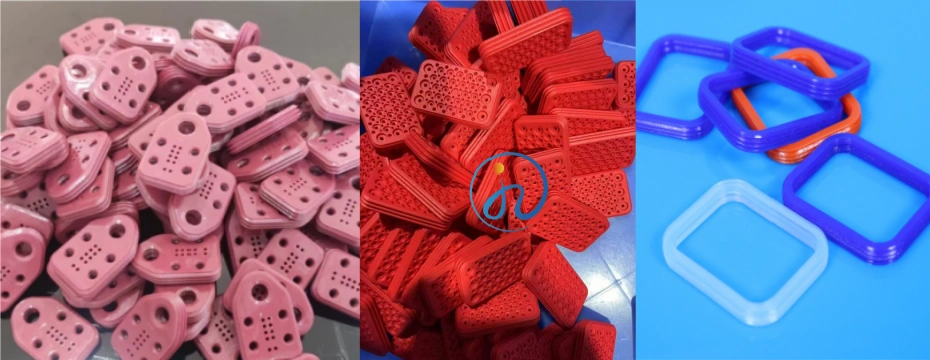
- Multi-lip designs enhance waterproof performance
This allows connectors to meet high protection standards such as:
- IP67
- IP68
3. Excellent Chemical Resistance
Automotive environments expose connectors to various chemicals, including:
- Engine oil
- Transmission fluid
- Coolants
- Fuels
LSR resists degradation from these substances, ensuring long-term reliability without cracking or swelling.
4. Exceptional Flexibility and Elastic Recovery
LSR maintains its flexibility even after repeated compression and deformation.
- Ideal for dynamic sealing applications
- Reduces risk of leakage
- Enhances durability in vibration-heavy environments
This is particularly important for wire harness connectors and multi-wire seals.
5. Precision Injection Molding Capability
LSR is processed using advanced injection molding techniques, allowing:
- Complex geometries
- Thin-wall structures
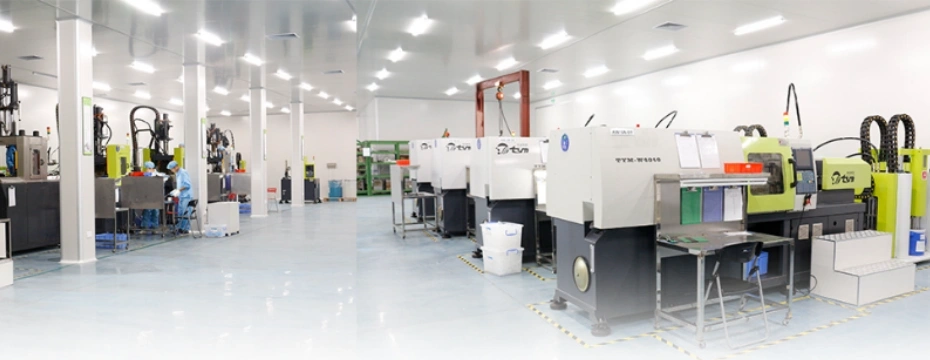
- Multi-cavity high-volume production
This enables manufacturers to design highly customized connector seals with tight tolerances.
6. Low Compression Set for Long-Term Performance
Compression set refers to a material’s ability to return to its original shape after compression.
LSR offers:
- Extremely low compression set
- Long-lasting sealing force
- Reduced maintenance and failure rates
This is a critical factor in automotive applications where connectors must last for years.
7. Excellent Electrical Insulation Properties
LSR is a natural electrical insulator, making it ideal for automotive connectors.
- High dielectric strength
- Prevents electrical leakage
- Enhances safety in high-voltage systems
This is especially important in electric vehicles (EVs).
8. UV and Weather Resistance
Unlike many traditional materials, LSR can withstand:
- UV radiation
- Ozone exposure
- Extreme weather conditions
This makes it suitable for external automotive applications such as:
- Lighting connectors
- Outdoor sensor systems
10. Clean and Eco-Friendly Material
LSR is:
- Non-toxic
- Odorless
- Environmentally friendly
This aligns with the automotive industry’s shift toward sustainable materials.
LSR vs Traditional Materials in Automotive Connectors
| Property | LSR | EPDM Rubber | Thermoplastics |
|---|---|---|---|
| Temperature Resistance | Excellent | Moderate | Moderate |
| Flexibility | Excellent | Good | Limited |
| Chemical Resistance | Excellent | Moderate | Varies |
| Compression Set | Low | Higher | High |
| Precision Molding | Excellent | Limited | Good |
| Lifespan | Long | Medium | Medium |
LSR clearly outperforms traditional materials in most critical categories.
Applications of LSR in Automotive Connectors
LSR is used across various automotive systems:
1. Wire Harness Connectors
Ensures sealing and protection for multiple wires.
2. EV Battery Connectors
Provides insulation and sealing for high-voltage systems.
3. Sensor Connectors
Maintains reliability in sensitive electronic components.
4. Lighting Systems
Used in headlight and taillight connectors exposed to weather.
OEM Benefits of Using LSR for Automotive Connectors
1. Custom Design Flexibility
OEM manufacturers can tailor LSR components to exact specifications.
2. Improved Product Reliability
Higher performance reduces failure rates and warranty costs.
3. Cost Efficiency in Mass Production
Although tooling may be higher, LSR offers lower long-term costs.
4. Faster Production Cycles
Injection molding enables high-speed manufacturing.
How to Choose the Right LSR Material for Automotive Connectors
When selecting LSR, consider:
- Shore hardness (30A–70A typical)
- Temperature requirements
- Chemical exposure
- Flame retardancy
- Color and transparency
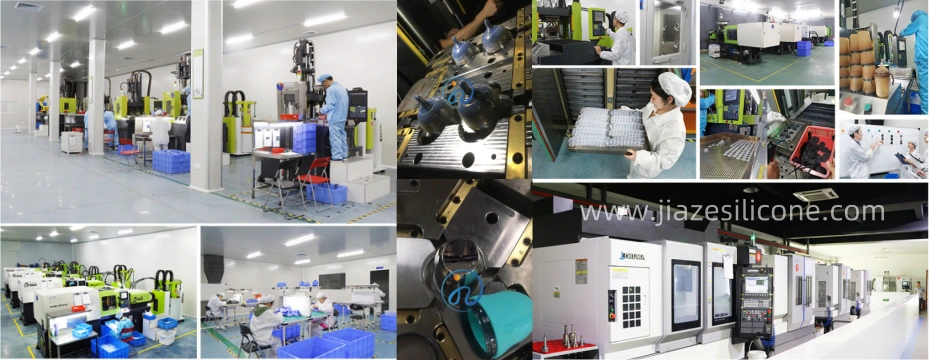
Working with an experienced OEM partner ensures optimal material selection.
Conclusion
LSR offers unmatched advantages in automotive silicone connectors, including superior sealing, temperature resistance, chemical stability, and long-term durability. These benefits make it the material of choice for modern automotive applications, especially in EVs and high-performance systems.
For OEM manufacturers and engineers, adopting LSR is not just a material upgrade—it is a strategic decision that enhances product reliability, reduces costs, and ensures compliance with evolving industry standards.