In advanced manufacturing, combining different materials in a single component is becoming increasingly common. One innovative method used in medical, healthcare, and consumer product industries is PPSU overmolding with Liquid Silicone Rubber (LSR).
This process integrates the high mechanical strength of PPSU (Polyphenylsulfone) with the flexibility and biocompatibility of silicone, creating durable, safe, and comfortable products. PPSU provides structural rigidity and excellent thermal resistance, while LSR offers elasticity, sealing performance, and skin-friendly properties.
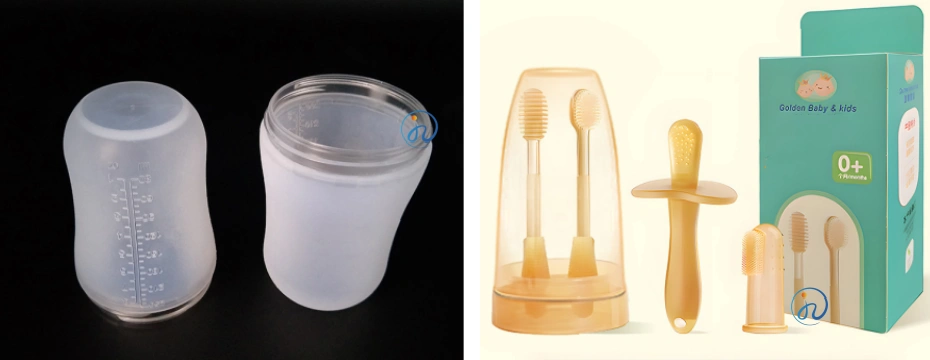
Because of these complementary advantages, PPSU overmolding with LSR has become widely used in medical devices, baby care products, wearable healthcare equipment, and high-end consumer components.
This article explores the major applications, advantages, manufacturing process, and design considerations of PPSU overmolding with LSR.
Understanding PPSU Overmolding With LSR
PPSU overmolding with LSR refers to a manufacturing process where liquid silicone rubber is molded over a PPSU substrate, forming a single integrated component.
The PPSU part is usually produced first through injection molding. Afterward, it is placed into a secondary mold where liquid silicone rubber is injected around specific areas of the part. Once cured, the silicone bonds to the PPSU component.
The result is a product that combines:
- Structural strength from PPSU
- Soft-touch and flexibility from LSR
- Improved sealing and durability
- Enhanced ergonomics
This technology allows manufacturers to create multi-material components that meet strict performance and safety standards.
Why PPSU Is Ideal for LSR Overmolding
Exceptional Heat Resistance
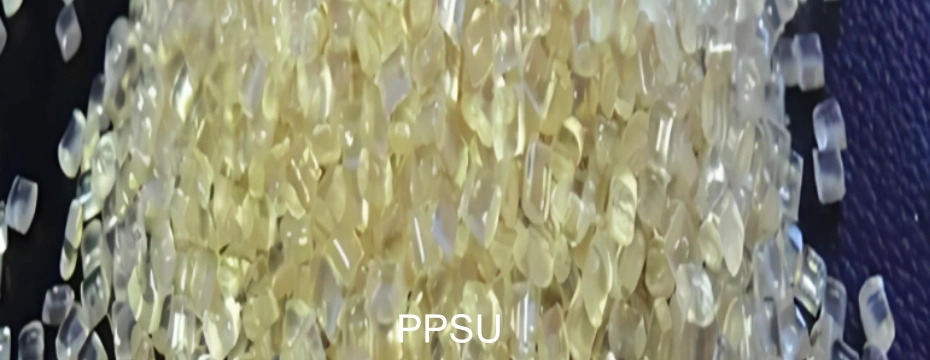
PPSU can withstand repeated sterilization cycles without degradation. It performs well under temperatures up to 180–200°C, making it ideal for medical devices that require autoclave sterilization.
High Mechanical Strength
Compared with other engineering plastics, PPSU offers excellent impact resistance and durability. This makes it suitable for structural components in medical equipment and reusable healthcare products.
Chemical Resistance
PPSU resists a wide range of chemicals, including cleaning agents and disinfectants commonly used in hospitals.
Medical Safety
PPSU materials are using in medical-grade applications because they comply with many international standards such as:
- FDA regulations
- ISO 10993 biocompatibility requirements
When combined with medical-grade LSR, PPSU helps produce safe and reliable medical components.
Benefits of PPSU Overmolding With LSR
Combining PPSU and LSR in a single manufacturing process provides several advantages.
Improved Product Functionality
Overmolding enables multiple functions within one component. PPSU provides structural integrity while silicone offers sealing, cushioning, or grip.
Better User Comfort
LSR surfaces are soft and skin-friendly, which is particularly important for devices that contact the human body.
Reduced Assembly Cost
Instead of assembling multiple parts separately, overmolding integrates them in a single production process, reducing labor and assembly errors.
Enhanced Sealing Performance
Silicone materials provide excellent waterproof and airtight sealing, which is essential in medical and healthcare equipment.
Long-Term Durability
Both PPSU and LSR offer excellent resistance to heat, chemicals, and environmental aging, ensuring long product lifespans.
Key Applications of PPSU Overmolding LSR
PPSU overmolding with LSR is using in many industries where high-performance materials are required.
Medical Device Components
Medical devices are one of the largest application areas for PPSU and LSR combinations.
Typical products include:
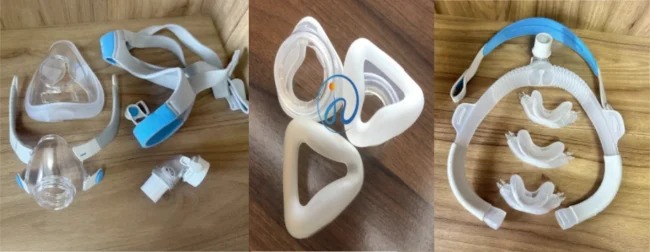
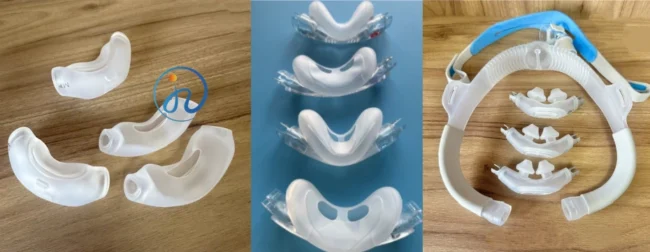
- Respiratory masks and breathing devices
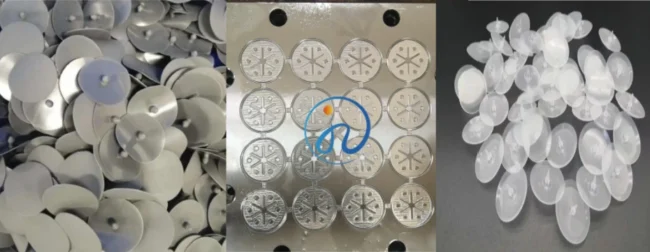
- Medical connectors and valves
- Surgical instrument handles
- Sealing components for diagnostic equipment
The PPSU structure ensures strength, while the silicone layer improves comfort and sealing performance.
Baby Feeding Products
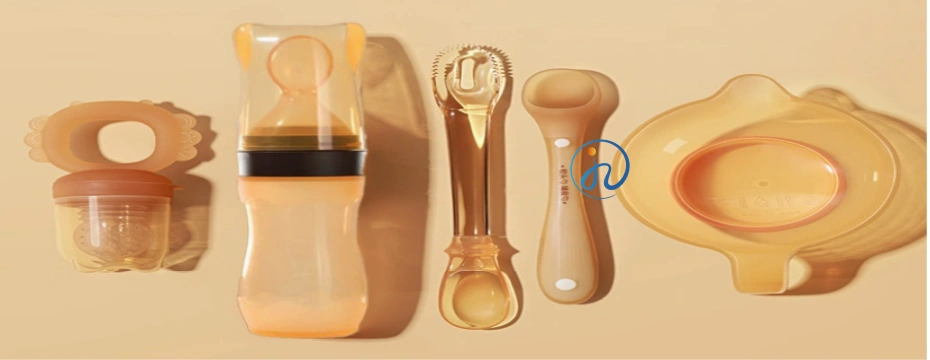
Another major application of PPSU overmolding LSR is baby care and feeding products.
Common examples include:
- Baby bottles
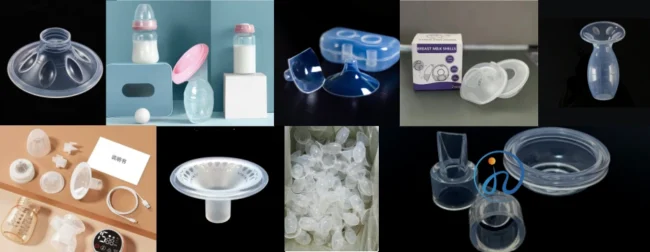
- Silicone nipples with PPSU support rings
- Baby feeding valves
- Anti-colic bottle systems
PPSU is using in baby products because it is BPA-free, durable, and heat resistant, while LSR provides soft, flexible components safe for infant use.
Wearable Medical Devices
Wearable healthcare technology continues to grow rapidly. Many wearable devices benefit from the combination of rigid PPSU structures and flexible silicone surfaces.
Examples include:
- Health monitoring sensors
- Medical wearable housings
- Skin-contact medical accessories
Silicone ensures comfort for long-term wear, while PPSU protects internal electronics.
Laboratory and Diagnostic Equipment
Many laboratory tools and diagnostic devices require materials that can withstand sterilization and chemical exposure.
PPSU overmolded with LSR is commonly used in:
- Laboratory connectors
- Diagnostic equipment seals
- Fluid handling components
These applications benefit from the chemical resistance and durability of both materials.
High-End Consumer Products
Beyond medical applications, PPSU overmolding LSR is also used in premium consumer goods that require durability and comfort.
Examples include:
- High-end kitchen products
- Reusable drinkware components
- Protective grips and handles
The combination of rigid and soft materials enhances both functionality and user experience.
Manufacturing Process of PPSU Overmolding LSR
The production of PPSU overmolded silicone components involves several critical steps.
Step 1: PPSU Injection Molding
The base component is first manufactured using PPSU injection molding. This forms the rigid structure of the product.
Step 2: Surface Preparation
To improve bonding between PPSU and silicone, the surface may require:
- Plasma treatment
- Chemical primers
- Surface texturing
These treatments increase adhesion strength.
Step 3: LSR Injection Overmolding
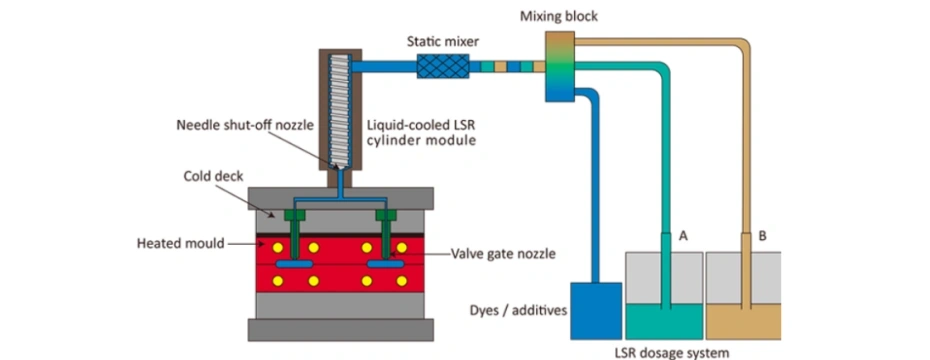
The PPSU component is placed into an LSR injection mold, and liquid silicone rubber is injected into designated areas.
The mold is heated to cure the silicone.
Step 4: Curing and Bonding
During the curing process, the silicone forms a strong bond with the PPSU substrate.
Step 5: Inspection and Quality Control
The final component undergoes strict inspection to ensure it meets dimensional, functional, and medical safety standards.
Design Considerations for PPSU Overmolding With LSR
When designing products that combine PPSU and silicone, several factors must be considered.
Material Compatibility
Not all materials bond well with silicone. PPSU is compatible with LSR but may require surface treatment for optimal adhesion.
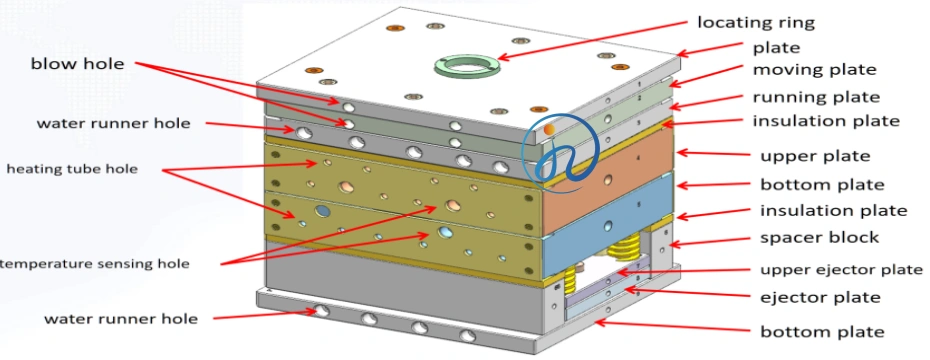
Mold Design
Overmolding molds must be precisely engineered to ensure proper silicone flow and bonding.
Venting and Gate Placement
Correct gate and vent placement prevent air trapping and ensure complete mold filling.
Tolerance Control
Medical devices often require tight dimensional tolerances, which demand precise mold manufacturing and process control.
Conclusion
PPSU overmolding with LSR is an advanced manufacturing technology that combines the strength and heat resistance of PPSU with the flexibility and biocompatibility of silicone.
This powerful material combination is used in medical devices, baby feeding products, wearable healthcare equipment, laboratory tools, and premium consumer products.
By integrating multiple materials into a single component, manufacturers can improve product performance, enhance user comfort, and reduce assembly costs.
As demand for high-performance, safe, and ergonomic products continues to grow, PPSU overmolding with LSR will remain an essential solution in modern product design and manufacturing.