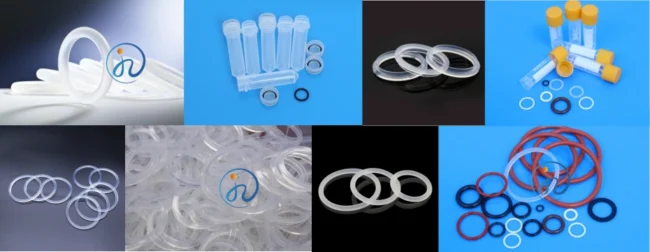
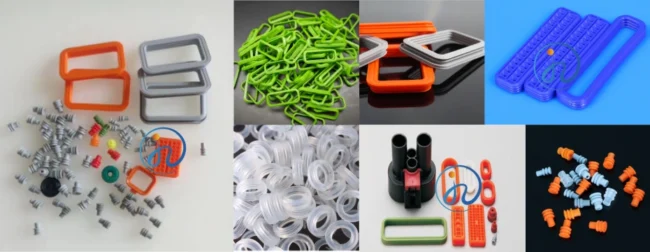
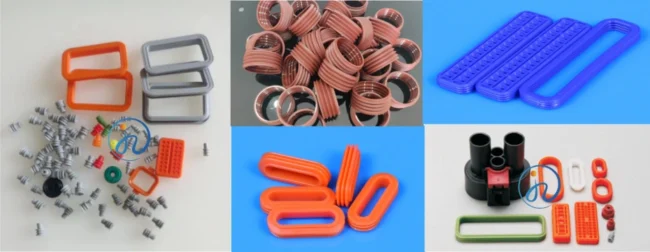
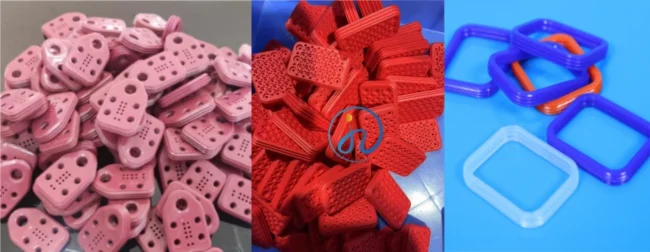
Medical devices demand the highest level of safety, precision, and reliability. Among the critical components used in healthcare applications, medical grade Liquid Silicone Rubber ring play an essential role in sealing, fluid control, and patient safety.
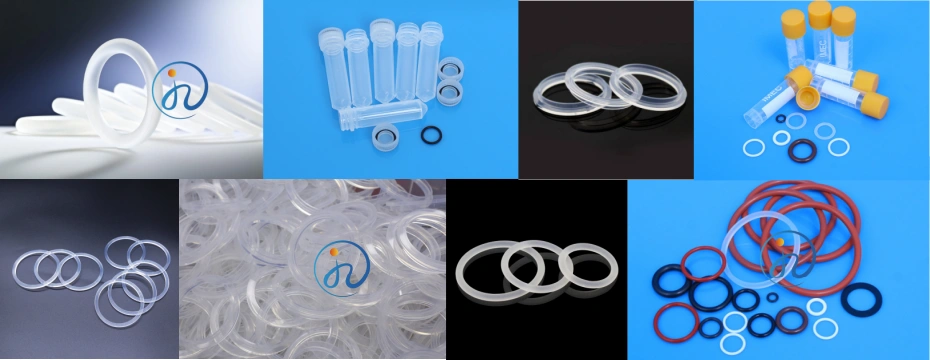
From catheters to surgical instruments, LSR rings are widely used due to their biocompatibility, flexibility, and resistance to extreme environments. But how exactly are these high-performance components manufactured?
What Is a Medical Grade Liquid Silicone Rubber Ring?
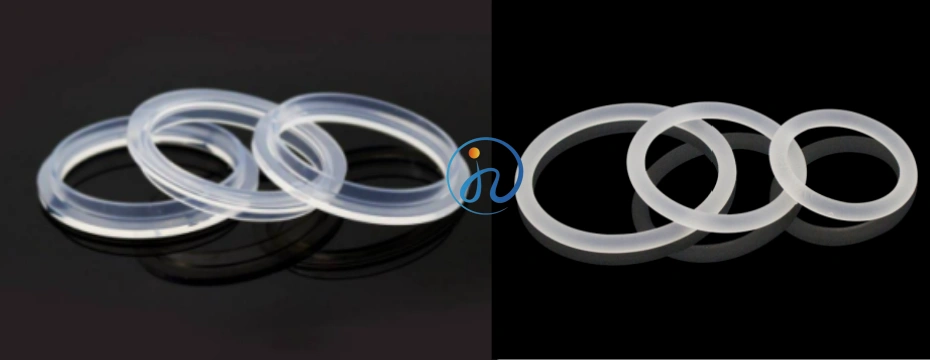
A medical grade LSR ring is a precision-molded elastomer component made from specially formulated silicone materials that comply with strict medical regulations.
Key Characteristics
- Biocompatible (safe for human contact)
- Sterilization-resistant (autoclave, gamma, EtO)
- High elasticity and flexibility
- Excellent temperature resistance (-50°C to 200°C)
- Non-toxic, odorless, and hypoallergenic
These properties make LSR rings ideal for critical healthcare environments.
Applications of Medical Grade Liquid Silicone Rubber Ring
Medical silicone rings are used in a wide range of devices:
1. Catheters and Tubing Systems
- Sealing fluid pathways
- Preventing leakage
2. Syringes and Drug Delivery Devices
- Ensuring airtight sealing
- Supporting precise dosage control
3. Respiratory Equipment
- Oxygen masks
- Ventilator sealing components
4. Implantable Devices
- Long-term biocompatible sealing
- Resistance to body fluids
5. Surgical Instruments
- Reusable sealing elements
- High sterilization durability
Why Choose LSR for Medical Ring?
Compared to traditional elastomers, LSR offers superior performance:
1. Biocompatibility
Medical grade LSR complies with:
- USP Class VI
- ISO 10993
3. Precision Manufacturing
LSR injection molding ensures:
- Tight tolerances
- Consistent quality
4. Chemical Stability
Resistant to:
- Bodily fluids
- Cleaning agents
- Medical chemicals
Step-by-Step Process: How To Manufacture
Step 1: Material Selection
Choosing the right silicone material is critical.
Key Considerations
- Medical certification (USP Class VI / ISO 10993)
- Transparency or color requirements
- Hardness (Shore A 20–70 typical)
- Supplier reliability
Step 2: Product Design & Engineering
Proper design ensures performance and manufacturability.
Design Factors
- Ring diameter and cross-section
- Compression ratio (typically 15%–25%)
- Tolerance requirements
- Flash control design
Step 3: Tooling & Mold Development
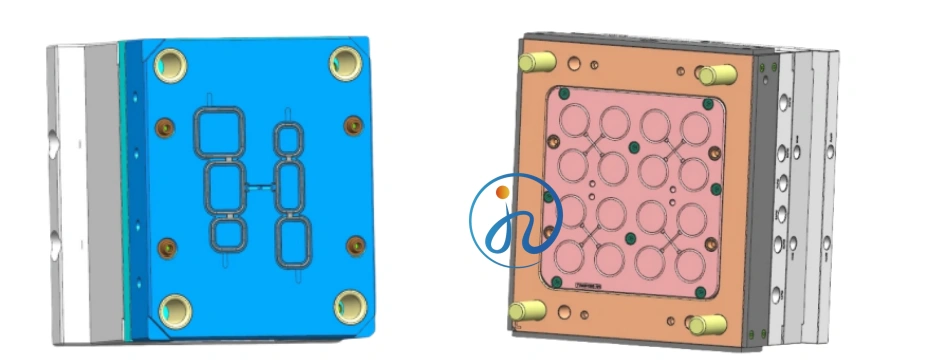
High-precision molds are required for medical parts.
Mold Features
- Mirror-polished cavities
- Cold runner systems
- Venting design for air release
Step 4: Liquid Injection Molding (LIM)
This is the core manufacturing process.
Process Overview
- Two-part LSR material (A + B) is mixed
- Injected into a heated mold (150–200°C)
- Curing (vulcanization) occurs rapidly
- Automatic demolding
Step 5: Post-Curing Process
Post-curing is often required for medical applications.
Purpose
- Remove volatile substances
- Improve mechanical properties
- Enhance biocompatibility
Step 6: Secondary Processing
Additional processes may include:
- Deflashing
- Surface treatment
- Laser marking
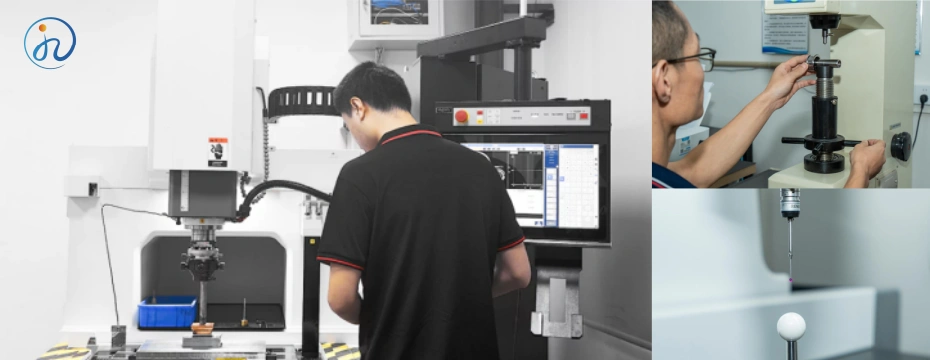
Step 7: Quality Inspection and Testing
Strict quality control is essential.
Testing Methods
- Dimensional inspection
- Tensile strength testing
- Compression set testing
- Biocompatibility testing
LSR vs Traditional Rubber in Medical Applications
| Feature | LSR | Traditional Rubber |
|---|---|---|
| Biocompatibility | Excellent | Limited |
| Sterilization Resistance | High | Moderate |
| Precision | High | Lower |
| Clean Production | Yes | Limited |
| Durability | Long-lasting | Shorter |
How To Choose a Medical Liquid Silicone Rubber Ring Manufacturer
Selecting the right partner is crucial.
1. Certifications
- ISO 13485 (medical devices)
- FDA compliance
2. Technical Expertise
- Experience with medical-grade LSR
- Engineering support
3. Cleanroom Capability
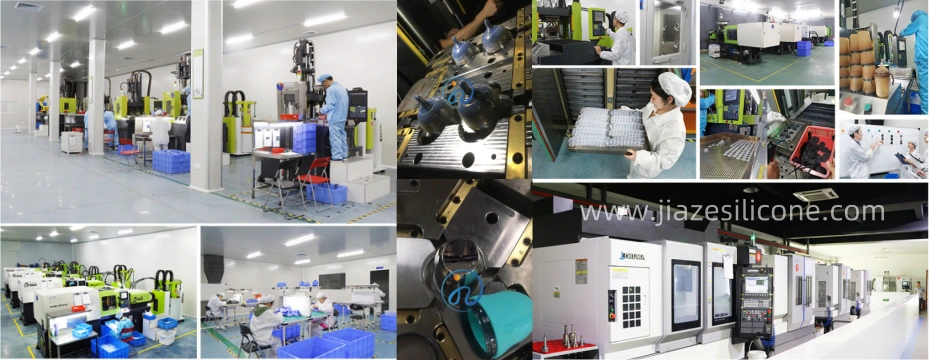
- ISO-certified cleanroom production
4. Quality Control System
- Full traceability
- Strict inspection processes
5. Customization Capability
- Rapid prototyping
- Flexible production
Conclusion
Medical grade liquid silicone rubber ring are essential components in modern healthcare devices. Their unmatched combination of biocompatibility, durability, and precision makes them the preferred choice for critical medical applications.
From material selection to cleanroom manufacturing and strict quality control, every step in the production process must meet the highest standards. By understanding these processes, buyers and engineers can make informed decisions and ensure product reliability.