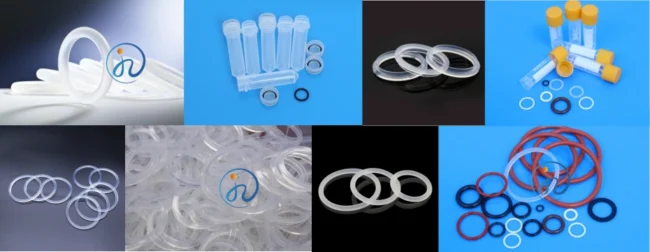
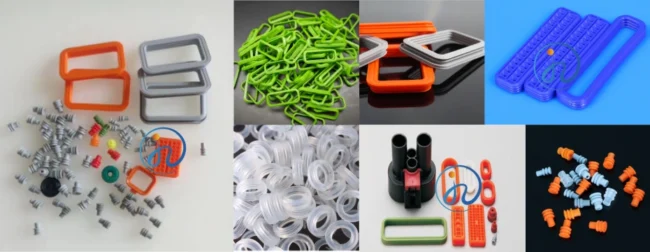
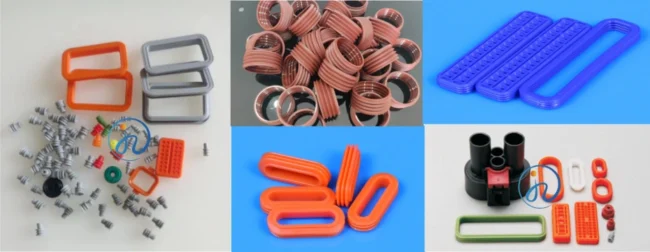
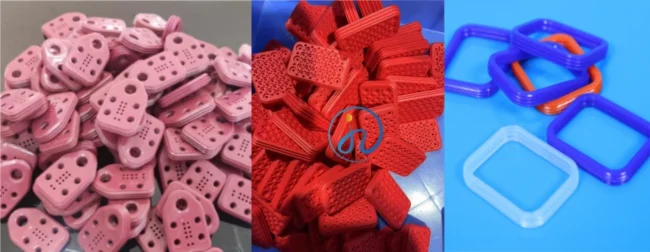
With the rapid growth of the electric vehicle (EV) industry, the demand for high-performance sealing solutions has significantly increased. Among various materials, Liquid Silicone Rubber (LSR) has emerged as a preferred choice for sealing applications due to its superior thermal stability, flexibility, and durability.
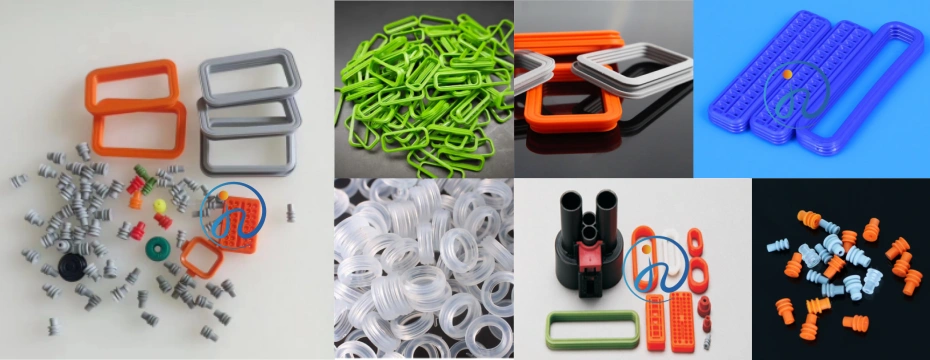
One of the most critical components in EV systems is the LSR sealing ring, which ensures protection against moisture, dust, chemicals, and extreme temperatures. In this article, we will explore the applications, advantages, design considerations, and manufacturing processes of LSR sealing rings in electric vehicles.
What Is an LSR Sealing Ring?
An LSR sealing ring is a precision-molded elastomer component made from liquid silicone rubber through injection molding. It is used in sealing applications where reliability and long-term performance are critical.
Key Characteristics
- High temperature resistance (-50°C to 200°C)
- Excellent elasticity and compression set resistance
- Strong chemical and UV resistance
- Biocompatibility and non-toxicity
- Electrical insulation properties
These features make LSR sealing rings particularly suitable for demanding EV environments.
Why Electric Vehicles Need High-Performance Sealing Solutions
Electric vehicles operate under unique conditions compared to traditional internal combustion engine vehicles.
Key Challenges in EVs
- High-voltage electrical systems
- Battery sensitivity to moisture
- Thermal management requirements
- Exposure to harsh environmental conditions
Sealing rings play a crucial role in protecting sensitive components such as battery packs, connectors, and control units.
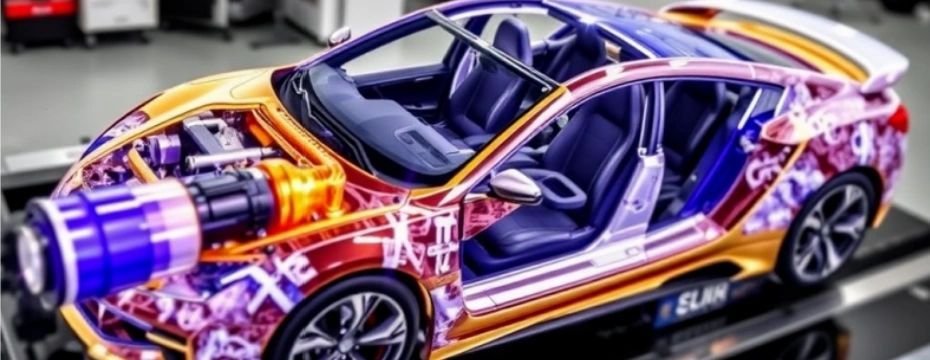
Applications of LSR Sealing Rings in Electric Vehicles
1. Battery Pack Sealing
The battery pack is the core of an electric vehicle. LSR sealing rings are used to:
- Prevent water and dust ingress (IP67/IP68 protection)
- Maintain airtight environments
- Resist electrolyte leakage
2. Charging System Connectors
LSR sealing rings are widely applied in:
- Charging ports
- High-voltage connectors
They provide:
- Electrical insulation
- Waterproof sealing
- Long-term durability under repeated plug-in cycles
3. Thermal Management Systems
Electric vehicles rely heavily on cooling systems. LSR seals are used in:
- Coolant pipelines
- Heat exchangers
They offer excellent resistance to:
- High temperatures
- Coolants and chemicals
4. Electronic Control Units (ECUs)
Sensitive electronics require robust sealing:
- Protection from humidity and dust
- Stability under vibration and heat
LSR sealing rings ensure consistent performance over time.
5. Motor and Drive Systems
In electric motors:
- Prevent ingress of contaminants
- Maintain lubrication integrity
LSR seals help improve efficiency and lifespan.
Design Considerations for LSR Sealing Rings
To achieve optimal performance, engineers must consider several factors:
1. Material Selection
- Choose the right hardness (Shore A)
- Consider thermal and chemical exposure
2. Compression Ratio
- Typically between 15%–30%
- Ensures proper sealing without over-deformation
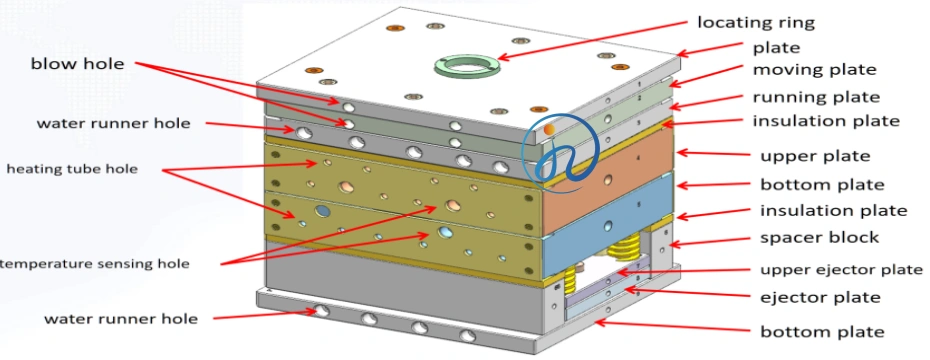
Manufacturing Process of LSR Sealing Rings
1. Liquid Injection Molding (LIM)
The primary method for producing LSR sealing rings is liquid injection molding.
Process Steps:
- Material mixing (A/B components)
- Injection into heated mold
- Vulcanization (curing)
- Demolding
- Post-curing (if required)
2. Advantages of LSR Injection Molding
- High precision and repeatability
- Minimal material waste
- Suitable for high-volume production
- Automation-friendly
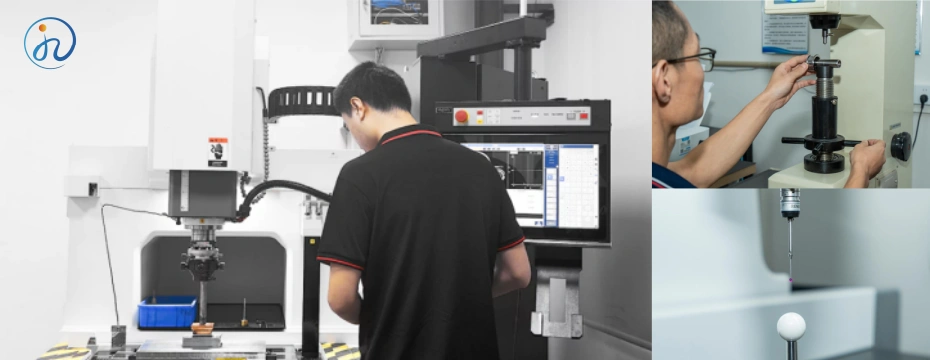
3. Quality Control
Key quality checks include:
- Dimensional inspection
- Compression set testing
- Leak testing
- Visual inspection
How to Choose the Right LSR Sealing Ring Manufacturer
When selecting a supplier, consider:
1. Technical Expertise
- Experience in automotive LSR applications
- Engineering support capability
2. Manufacturing Capability
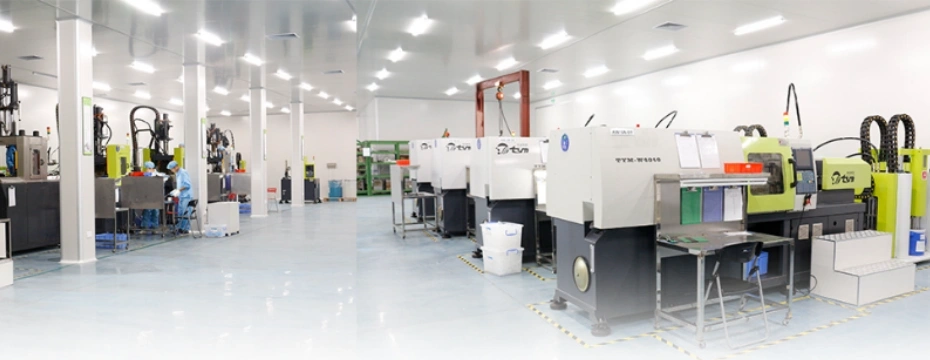
- Advanced LSR injection molding equipment
- Cleanroom production (if needed)
Conclusion
The application of LSR sealing rings in electric vehicles is essential for ensuring safety, reliability, and performance. With their outstanding thermal stability, sealing capability, and durability, LSR components are becoming the industry standard for EV sealing solutions.
As the electric vehicle market continues to expand, manufacturers and engineers must prioritize high-quality sealing technologies. Choosing the right LSR sealing ring and experienced manufacturing partner can significantly impact product performance and long-term success.