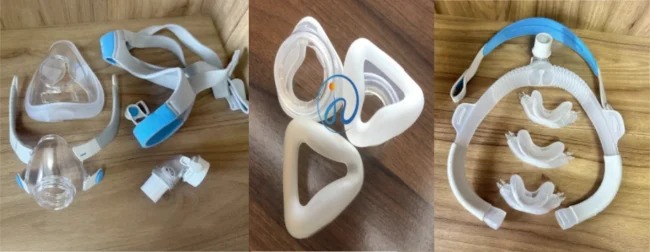
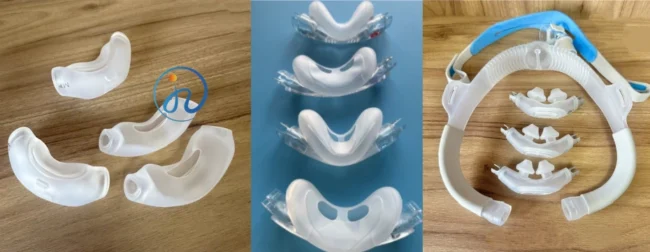
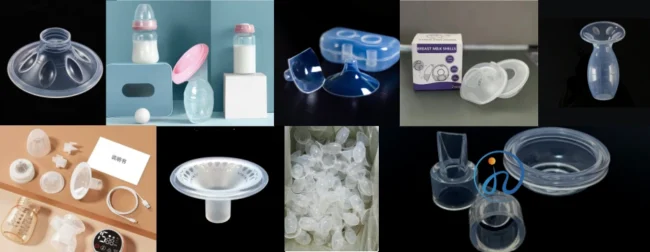
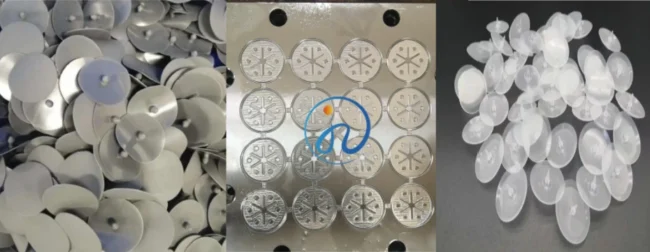
Medical LSR molding plays a critical role in the manufacturing of high-performance medical devices and components. As medical technology advances, manufacturers increasingly rely on Medical LSR Molding to produce precision silicone parts that meet strict regulatory, safety, and performance requirements.
This guide provides a comprehensive overview of custom Medical LSR Molding, including materials, processes, applications, design considerations, quality standards, and how to choose the right manufacturing partner.
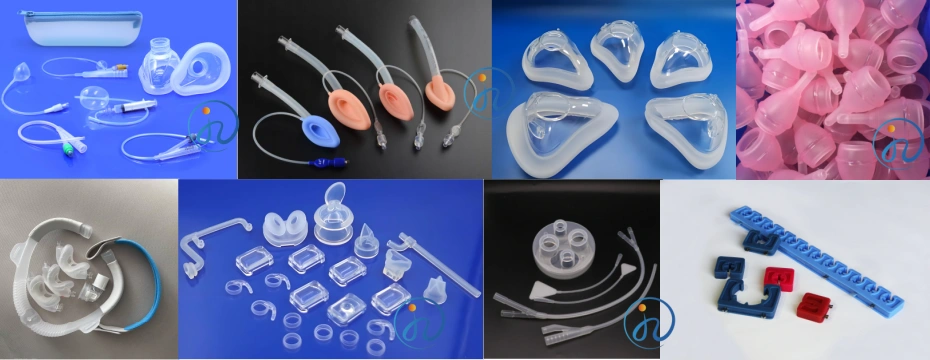
What Is Medical LSR Molding?
It refers to the injection molding of medical-grade liquid silicone rubber to produce components used in healthcare and medical device applications.
LSR is a two-part, platinum-cured silicone elastomer known for its:
- Biocompatibility
- Chemical resistance
- Thermal stability
- Excellent elasticity
- Long-term durability
In Medical LSR Molding, these properties are combined with precision injection technology to produce complex, high-tolerance parts under clean and controlled manufacturing conditions.
Why Medical LSR Molding Is Essential for Medical Devices
Medical devices demand materials that are safe, reliable, and compliant with international regulations. It offers several advantages that make it ideal for healthcare applications:
1. Biocompatibility and Safety
Medical-grade LSR is compliant with USP Class VI, ISO 10993, and FDA regulations, making it safe for skin contact, fluid contact, and implantable applications.
2. High Precision and Consistency
It allows for tight tolerances and repeatable production, which is critical for medical components that require consistent performance.
3. Sterilization Resistance
Medical LSR parts can withstand common sterilization methods, including:
- Autoclave
- Gamma radiation
- ETO sterilization
4. Long-Term Stability
LSR maintains its mechanical properties over time, even under extreme temperatures and harsh chemical exposure.
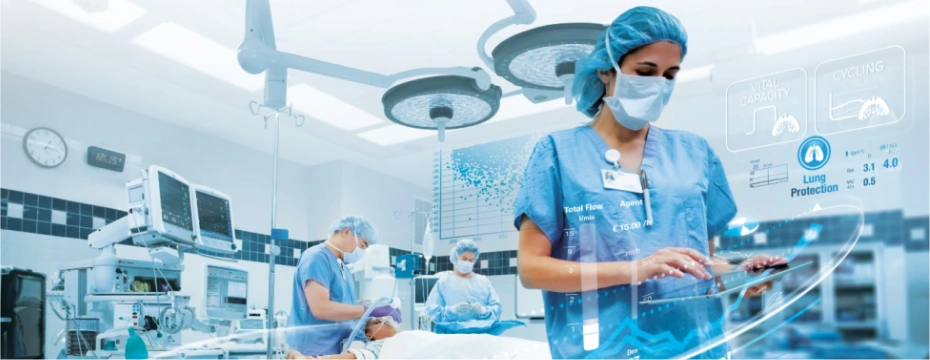
Medical Grade LSR Materials Explained
Not all silicone materials are suitable for medical use. It uses specifically formulated materials that meet stringent healthcare standards.
Key Characteristics of Medical-Grade LSR
- Platinum-cured (no peroxide by-products)
- Low extractables and leachables
- Odorless and tasteless
- Excellent transparency (optional)
Medical-grade LSR materials are available in different hardness levels, colors, and performance grades to meet various medical applications.
Medical LSR Molding Process Overview
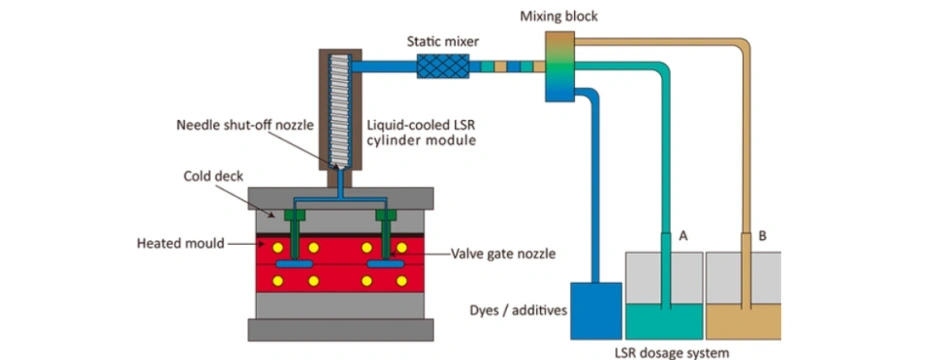
The medical silicone injection molding process involves several critical steps to ensure quality and compliance:
Step 1: Material Metering and Mixing
Two liquid silicone components are precisely metered and mixed to ensure consistent curing and material properties.
Step 2: Injection Molding
The mixed LSR is injected into a heated mold cavity, where it rapidly cures under controlled pressure and temperature.
Step 3: Demolding
Due to LSR’s flexibility, parts can often be demolded automatically, reducing the risk of damage or contamination.
Step 4: Post-Curing (If Required)
Some medical applications require post-curing to further reduce volatile components.
Step 5: Inspection and Packaging
Medical LSR parts undergo rigorous inspection before being packaged in cleanroom or controlled environments.
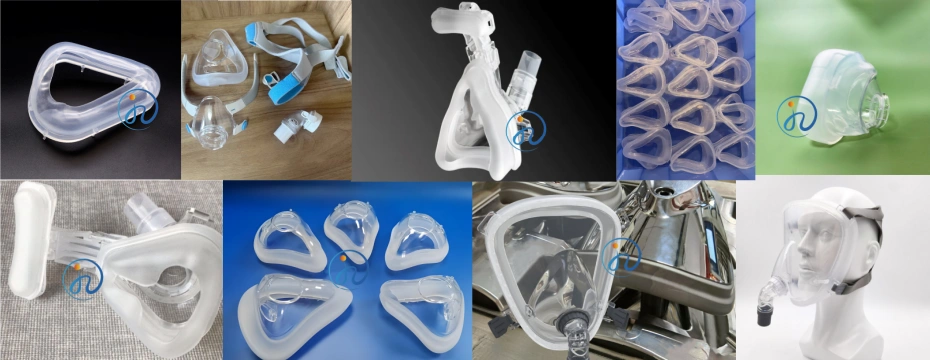
Applications of Medical LSR Molding
It is widely used across various healthcare sectors:
1. Medical Device Components
- Seals and gaskets
- Diaphragms
- Valves and membranes
2. Implantable and Wearable Devices
- Implantable silicone components
- Wearable medical device housings
- Soft-touch interfaces
3. Drug Delivery Systems
- Syringe components
- Pump seals
- Silicone tubing interfaces
4. Diagnostic and Laboratory Equipment
- Precision seals
- Flexible connectors
- Custom silicone interfaces
Key Design Guidelines
- Uniform wall thickness
- Proper gate and runner design
- Adequate venting for air release
- Draft angles for smooth demolding
Early collaboration with an experienced silicone injection manufacturer can significantly reduce tooling risks and development time.
Quality Standards and Certifications
It requires strict quality control and regulatory compliance.
Common Certifications
- ISO 13485 (Medical Device Quality Management)
- ISO 9001
- FDA compliance
- USP Class VI
A qualified manufacturer should provide full documentation, including material certifications, inspection reports, and traceability records.
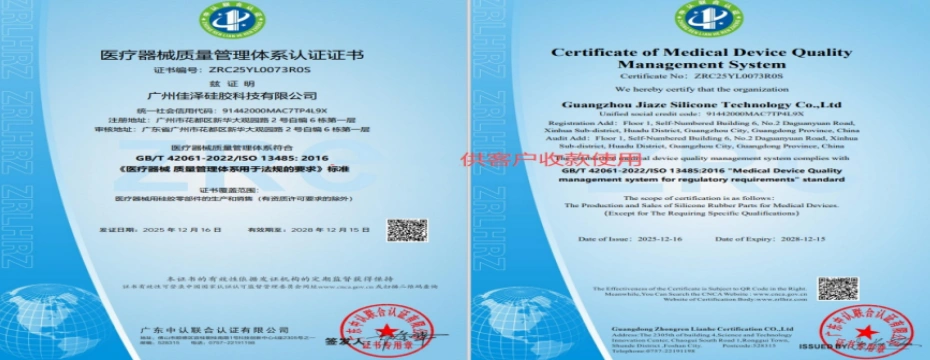
Cold Runner vs Hot Runner in Medical LSR Molding
Both cold runner and hot runner systems are used in it:
Cold Runner Systems
- Lower tooling cost
- Higher material waste
- Suitable for low to medium volume production
Hot Runner Systems
- Minimal material waste
- Higher initial mold cost
- Ideal for high-volume medical production
Choosing the right runner system depends on production volume, part complexity, and cost considerations.
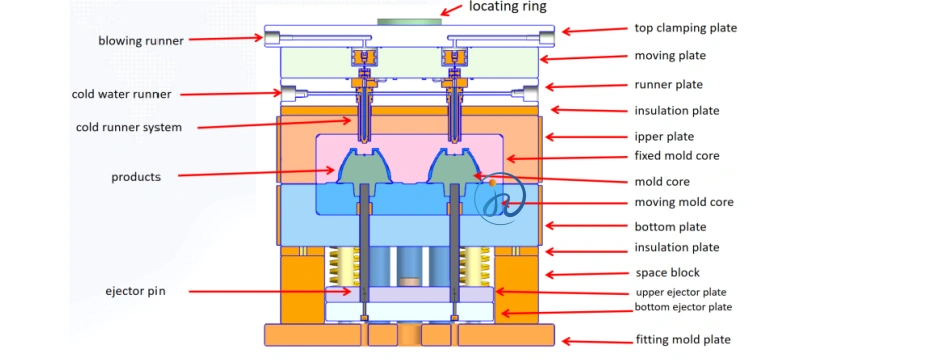
Custom medical LSR molding involves more than just manufacturing. A reliable supplier should offer:
- In-house mold design and manufacturing
- DFM (Design for Manufacturability) support
- Prototype and pilot production
- Scalable mass production
- Engineering and material consultation
How to Choose a Medical LSR Molding Manufacturer
Selecting the right partner is critical for medical projects.
Key Factors to Consider
- Experience with medical-grade LSR
- Regulatory compliance and certifications
- Cleanroom capabilities
- In-house tooling expertise
- Strong quality management system
A qualified Medical LSR Molding manufacturer acts as a long-term partner, not just a parts supplier.
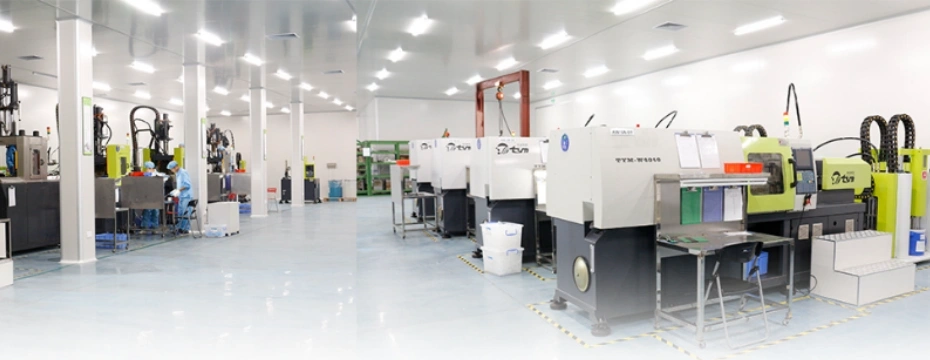
Why Choose a China-Based Medical LSR Molding Manufacturer?
Many global companies choose China-based manufacturers for it due to:
- Competitive tooling and production costs
- Advanced LSR injection molding technology
- Skilled engineering teams
- Flexible production capacity
With proper certifications and quality systems, China-based medical LSR molding suppliers can meet global standards.
Conclusion: The Future
As medical devices continue to evolve toward miniaturization, flexibility, and higher performance, It will remain a critical manufacturing technology.
By choosing the right materials, processes, and manufacturing partner, medical companies can ensure reliable, compliant, and cost-effective production of silicone components for healthcare applications.
If you are looking for custom Medical LSR Molding solutions, working with an experienced and certified manufacturer can help accelerate your project from concept to production.