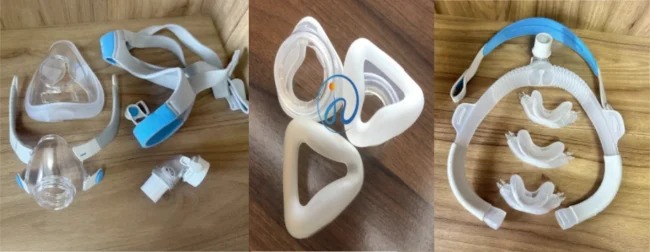
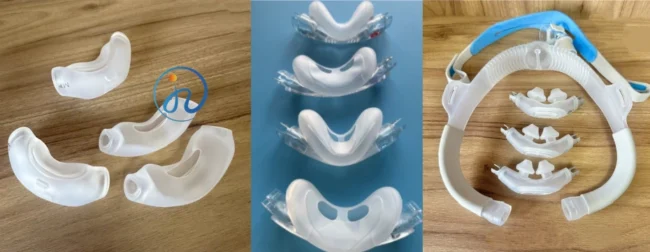
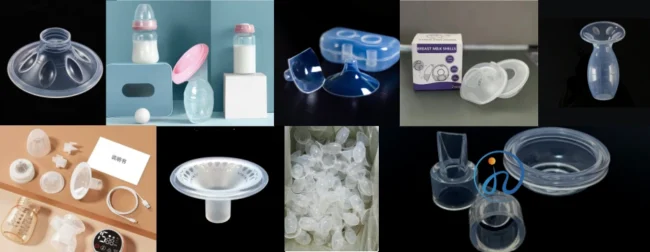
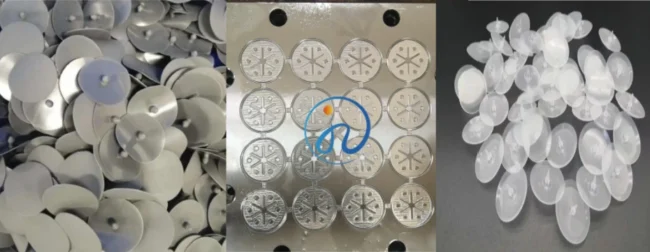
Liquid Silicone Rubber (LSR) injection molding technologies have become one of the most advanced manufacturing solutions for producing high-precision silicone components. From medical devices and baby products to automotive sealing systems and wearable electronics, LSR molding enables manufacturers to achieve outstanding quality, consistency, and scalability.
Unlike traditional rubber compression molding, LSR injection molding uses automated mixing, precise metering, and controlled curing processes to manufacture complex parts with excellent repeatability. Engineers and procurement professionals increasingly rely on this technology when durability, cleanliness, and biocompatibility are essential.
What Is LSR Injection Molding Technology?
LSR injection molding technology refers to a manufacturing process where two-component liquid silicone rubber materials are mixed, injected into a heated mold cavity, and cured into finished elastomer components.
LSR typically consists of:
- Part A (Base polymer)
- Part B (Platinum catalyst)
These components remain liquid before mixing. Once combined, a chemical reaction begins when heat is applied inside the mold.
Key characteristics include:
- Low viscosity before curing
- High temperature resistance after curing
- Excellent elasticity
- Chemical stability
- Medical-grade cleanliness potential
Because the process is highly automated, it minimizes human contact and contamination risks.
Core Technologies Used in LSR Injection Molding
Modern LSR manufacturing combines several advanced technologies to ensure stability and efficiency.
1. Two-Component Metering and Mixing Technology
One of the most critical technologies is precise dosing.
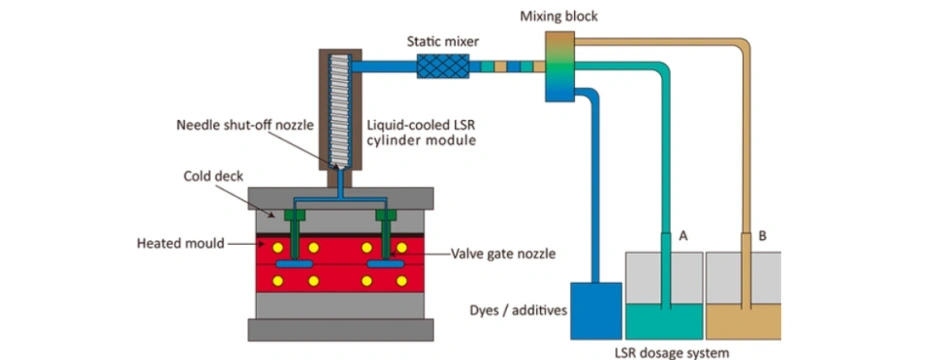
Special pumping systems continuously meter equal ratios of Part A and Part B materials. Static or dynamic mixers ensure homogeneous blending before injection.
Key advantages:
- Consistent curing performance
- Reduced material waste
- Stable mechanical properties
Automatic pigment dosing systems may also be integrated to create customized colors.
2. Cold Runner System Technology
Unlike thermoplastics, LSR must remain cool before entering the mold cavity.
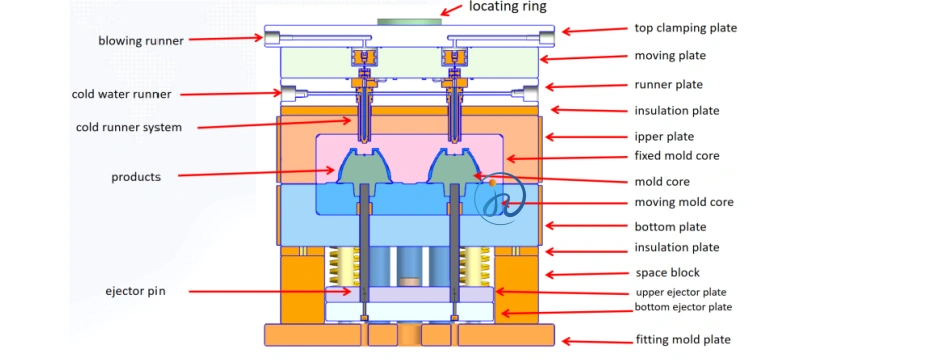
Cold runner technology maintains low temperatures in runner channels to prevent premature curing.
Benefits include:
- Zero or minimal material waste
- Faster cycle time
- Continuous automation
Cold runners significantly improve production efficiency, especially for high-volume parts such as seals or baby nipples.
3. Heated Mold Vulcanization Technology
Once injected into the mold, LSR undergoes platinum-catalyzed crosslinking.
The mold temperature typically ranges between:
- 160°C to 200°C (320°F–392°F)
Heat activates curing rapidly.
Advantages:
- Short curing cycles
- Stable dimensional accuracy
- Excellent surface finish
Precision temperature control is essential because uneven heating can cause flashing or incomplete curing.
4. Vacuum Injection Technology
Air entrapment is a common challenge when molding silicone parts.
Vacuum injection technology removes trapped air inside the mold cavity before filling.
Benefits include:
- Bubble-free surfaces
- Optical clarity improvement
- Higher sealing performance
This technology is particularly important for medical or optical silicone components.
5. High-Speed Injection Control Technology
Modern servo-driven injection units provide precise control over:
- Injection speed
- Pressure
- Holding pressure
Because LSR has extremely low viscosity, accurate filling control prevents overflow or flashing.
Manufacturers can achieve:
- Thin-wall molding capability
- Micro-component production
- Multi-cavity consistency
6. Automated Demolding Systems
Automation is a defining feature of LSR injection molding technologies.
Common automation solutions include:
- Robot arm removal
- Air ejectors
- Vacuum pick-and-place systems
Advantages:
- Reduced labor cost
- Clean production environment
- Improved cycle stability
For medical or food-grade production, automation helps meet strict hygiene requirements.
Key Equipment in LSR Injection Molding Technology
Understanding the machinery involved helps buyers evaluate manufacturing partners.
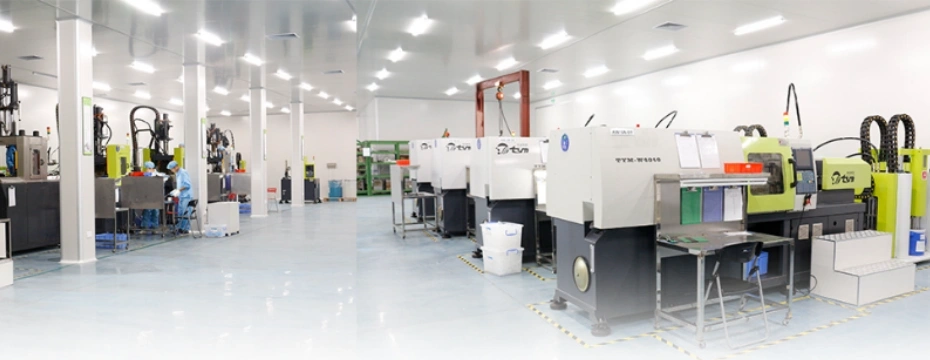
LSR Injection Molding Machine
These machines differ from plastic injection molding equipment.
Key features:
- Specialized screw or plunger systems
- Low shear mixing
- Temperature isolation zones
They are designed to keep material cool until injection.
Material Feeding Pump System
Drum pumps supply material continuously.
Functions include:
- Ratio control
- Degassing
- Material monitoring
Advanced systems detect pressure imbalance or material shortages automatically.
Precision Mold Tooling
Mold tooling determines final part quality.
LSR molds typically include:
- Mirror polish cavities
- Cold runner channels
- Venting structures
High-quality tooling enables tight tolerances and consistent part replication.
Temperature Control Units
Cooling and heating systems must operate simultaneously.
Examples:
- Mold heaters
- Cold runner chillers
Temperature separation is essential for curing control.
Types of LSR Injection Molding Technologies
Different applications require different molding solutions.
Standard LSR Injection Molding
This is the most common process.
Used for:
- Seals
- Gaskets
- Consumer accessories
Advantages include fast cycle times and cost efficiency.
Multi-Shot (LSR Overmolding) Technology
LSR can bond with other materials.
Examples:
- Silicone over plastic
- Silicone over metal
Applications:
- Medical handles
- Automotive connectors
- Electronics seals
Chemical bonding often eliminates adhesives.
Cleanroom LSR Injection Technology
Medical and pharmaceutical industries require contamination-free environments.
Cleanroom molding includes:
- HEPA filtration
- Controlled airflow
- Sterile handling
Advantages:
- Reduced particulates
- Compliance with healthcare regulations
Common Applications of LSR Injection Molding Technology
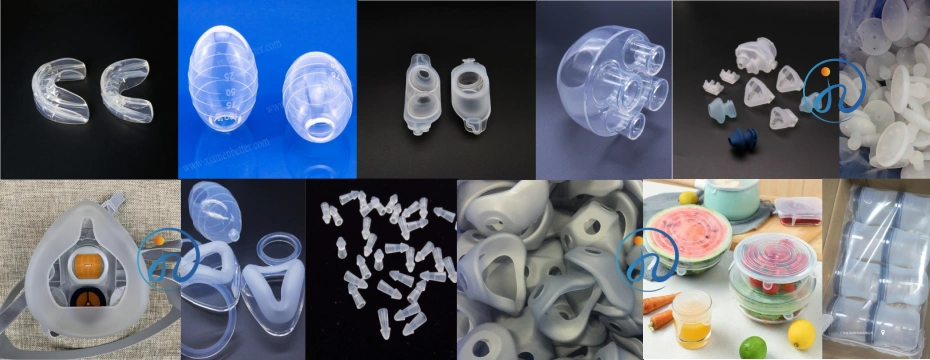
The versatility of LSR makes it popular across industries.
Medical Industry
Examples include:
- Respiratory masks
- Catheters
- Seals for diagnostic devices
Reasons for adoption:
- Sterilization resistance
- Biocompatibility
Baby Care Products
Applications:
- Feeding nipples
- Pacifiers
- Bottle valves
Food-grade silicone ensures safety.
Automotive Industry
Automotive manufacturers use LSR for:
- Waterproof connectors
- Sensor seals
- LED lighting gaskets
Heat and vibration resistance improve reliability.
Consumer Electronics
Examples:
- Wearable device seals
- Waterproof smartphone parts
- Keypads
Soft-touch surfaces improve ergonomics.
Industrial Applications
LSR components appear in:
- Pumps
- Valves
- Insulation systems
Long service life reduces maintenance costs.
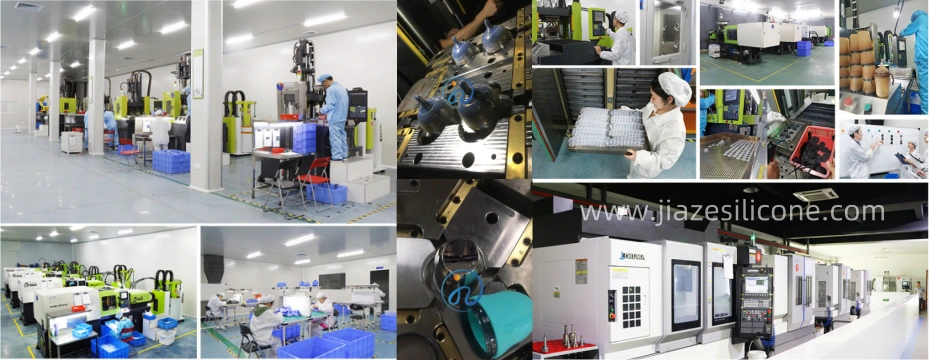
How to Choose an LSR Injection Molding Partner
Buyers should evaluate several factors.
Key considerations:
- Tooling design experience
- Automation capability
- Cleanroom availability
- Quality certifications
Experienced suppliers can support:
- DFM optimization
- Rapid prototyping
- Mass production scaling.
Conclusion
LSR injection molding technologies represent one of the most advanced manufacturing solutions for silicone components today. By combining automated mixing, precision injection control, vacuum molding, and intelligent temperature management, manufacturers can deliver complex products with exceptional consistency and performance.
From medical devices to automotive sealing systems and consumer electronics, the flexibility of LSR continues to expand its applications worldwide. As automation, micro molding, and cleanroom technologies advance further, LSR injection molding will remain a critical process for producing high-quality silicone products at scale.